
Color Trends and Typography: How Modern Palettes Influence Font Choices
Color Trends and Typography: How Modern Palettes Influence Font Choices
In the ever-evolving world of design, color trends and typography work hand in hand to define visual identity. While fonts give structure and voice to words, colors breathe emotion and energy into them. Together, they can turn simple text into an unforgettable experience. But how exactly do color trends influence the choice of fonts? Let’s explore how these two powerful elements interact in modern design.
1. The Psychology of Color Meets the Personality of Type
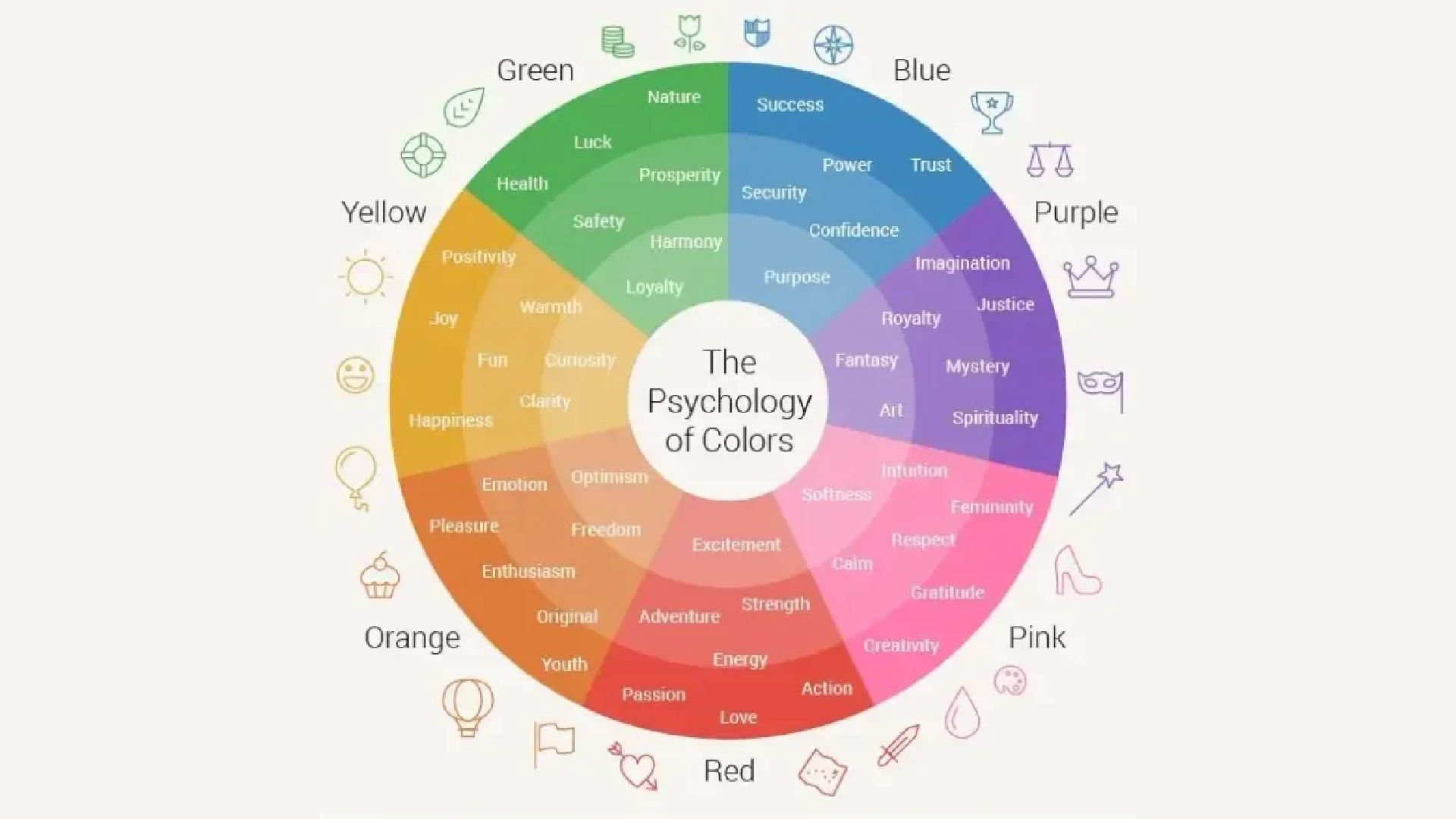
Every color evokes a feeling — blue for trust, red for passion, green for growth. Similarly, every font carries a personality — serif fonts feel classic and reliable, sans-serifs feel modern and minimal, while scripts evoke creativity and warmth. When a color trend emerges, designers often adapt their typography to align with the emotional tone of that color.
For example, a soft pastel palette pairs beautifully with rounded sans-serifs or handwritten fonts, creating a gentle, human-centered aesthetic. In contrast, bold neon or dark mode palettes call for geometric sans-serifs or condensed typefaces that deliver strength and impact.
2. Matching Mood and Message
Design is all about communication. If your palette reflects calm and minimalism — like the ongoing trend of earthy neutrals and muted tones — pairing it with an elegant serif font enhances that sense of refinement. On the other hand, if you’re designing for a vibrant tech brand embracing bright gradients or cyber-inspired hues, a futuristic sans-serif will speak the same energetic language.
In short: the font and color should tell the same story.
3. Trend Harmony in Branding
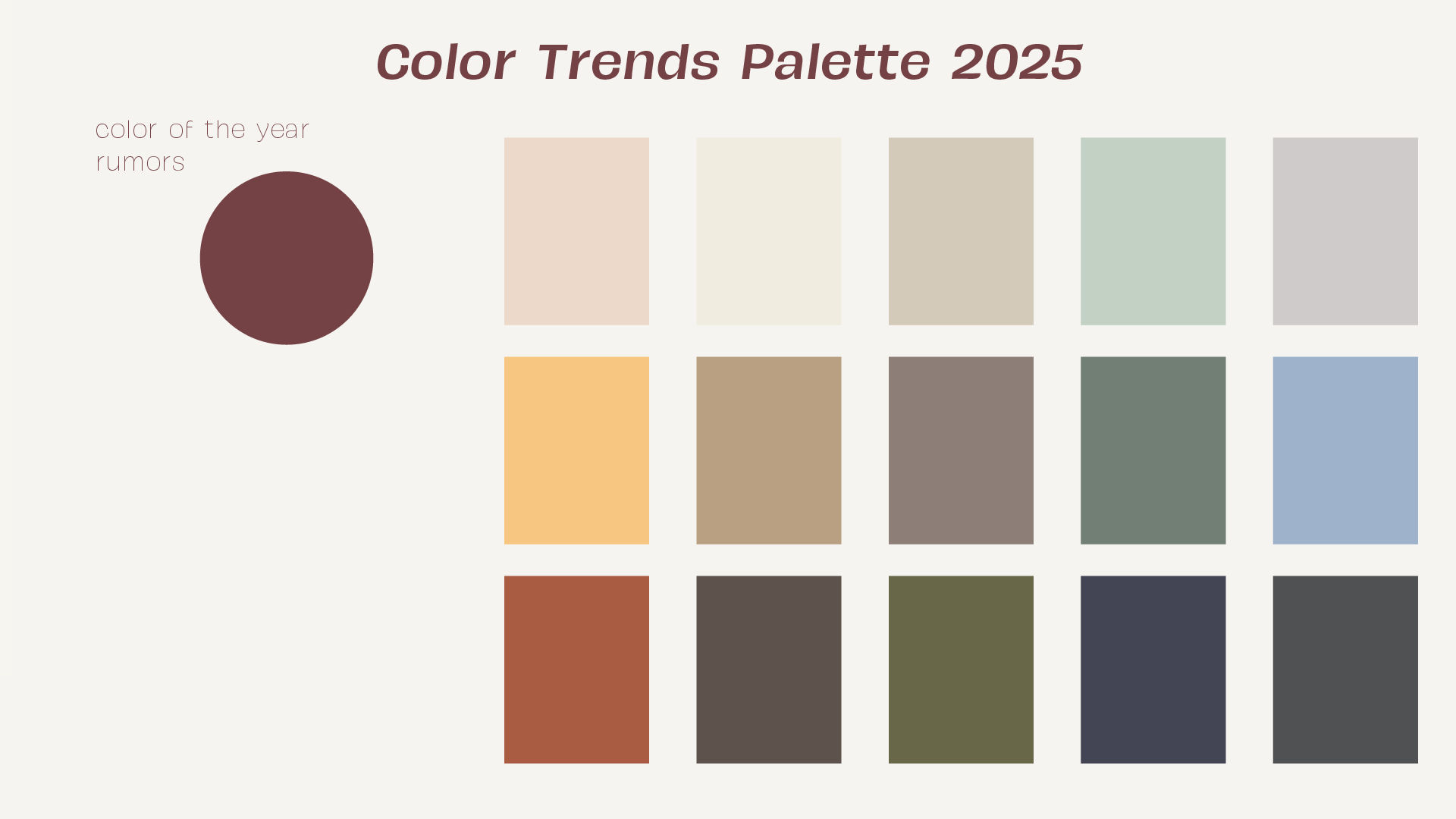
Brand designers know that consistency between typography and color defines a brand’s tone. As new color trends emerge — from digital lavender to vintage retro orange — brands often refresh their type choices to stay current. This synergy creates a cohesive visual system where typography amplifies the mood set by color.
4. Accessibility and Contrast
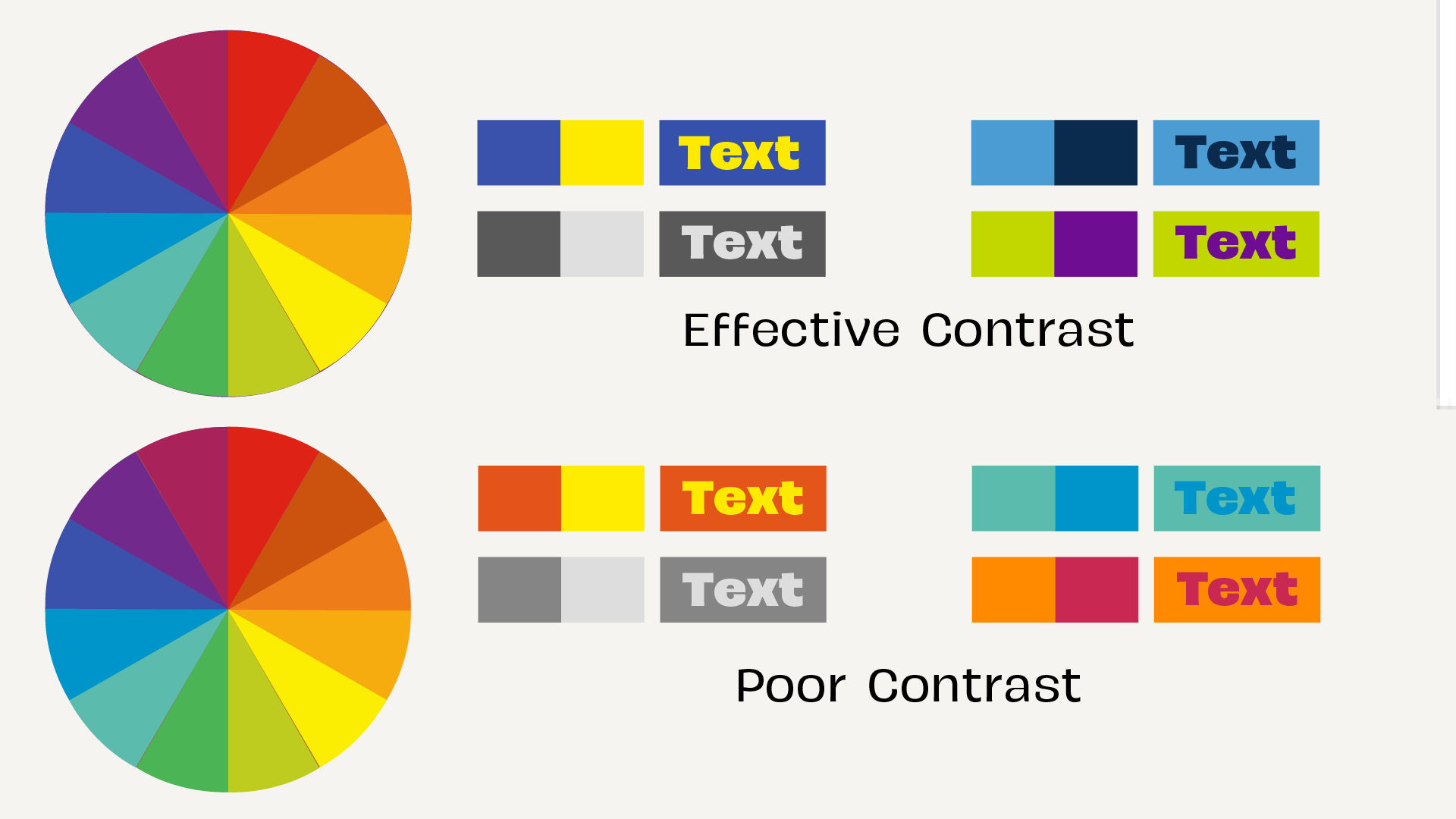
Trends are exciting, but readability always comes first. High-contrast combinations between type and background ensure that your design is not only stylish but also functional. For instance, while pastel fonts on pastel backgrounds may look aesthetic, they can hurt legibility. The key is balancing visual trendiness with usability — ensuring the message remains clear and accessible to all viewers.
5. Practical Tips for Designers
- Start with the mood. Identify the emotional goal of your color palette before picking a font.
- Experiment with contrast. Try bold type with subtle colors or vice versa.
- Stay updated on trends. Websites like Pantone and Adobe Color Trends help track color shifts.
- Test across media. What works on screen may not look as good in print.
- Create timeless combinations. Pair trending colors with classic fonts to ensure lasting appeal.
Conclusion:
Typography and color are more than design choices — they are tools of emotion and storytelling. As color trends shift each year, they influence how designers express mood and identity through fonts. Whether you’re crafting a brand, website, or poster, remember: the right font-color harmony can make your design not just seen, but felt.