
Designing Fonts for Letterpress and Risograph Printing: Where Tradition Meets Modern Typography
Designing Fonts for Letterpress and Risograph Printing: Where Tradition Meets Modern Typography
Introduction: The Art of Imperfection
In the digital age, where every pixel is sharp and perfect, letterpress and risograph printing remind us that design can also breathe, bleed, and leave beautiful imperfections. These traditional printing techniques have resurfaced in modern creative culture, admired for their tactile quality and nostalgic charm.
Designing fonts specifically for letterpress or risograph printing requires a unique mindset — one that embraces the unpredictable nature of ink, pressure, and paper.
1. Understanding the Printing Process
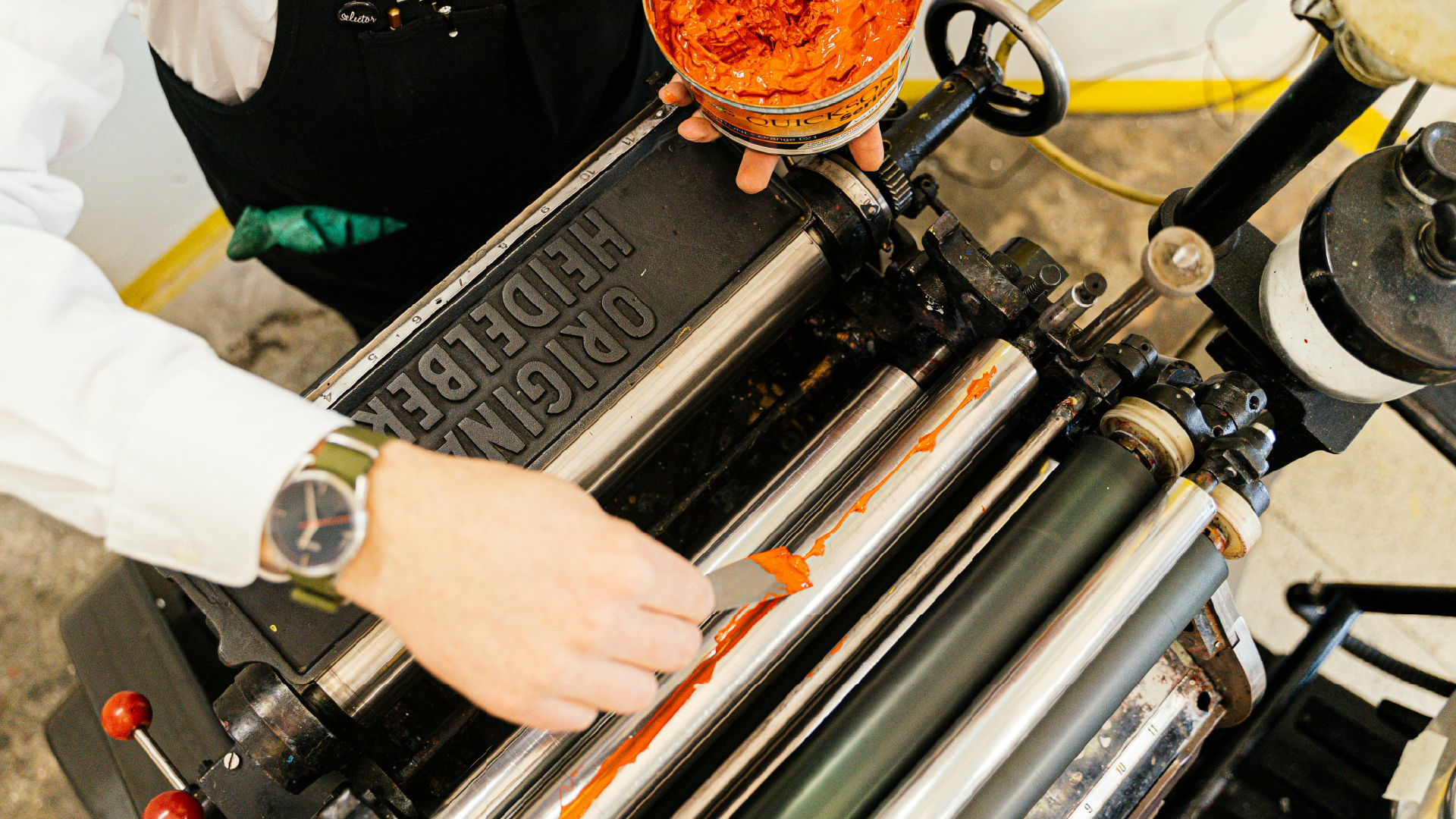
Before crafting a font, it’s crucial to understand the medium:
- Letterpress Printing involves pressing inked type or plates into paper, creating a debossed, textured impression.
- Risograph Printing uses stencil-based layers, resulting in vibrant, slightly misaligned prints with organic color overlaps.
Both methods celebrate imperfection. Your font must therefore work with, not against, these natural traits.
2. Prioritize Simplicity and Bold Forms
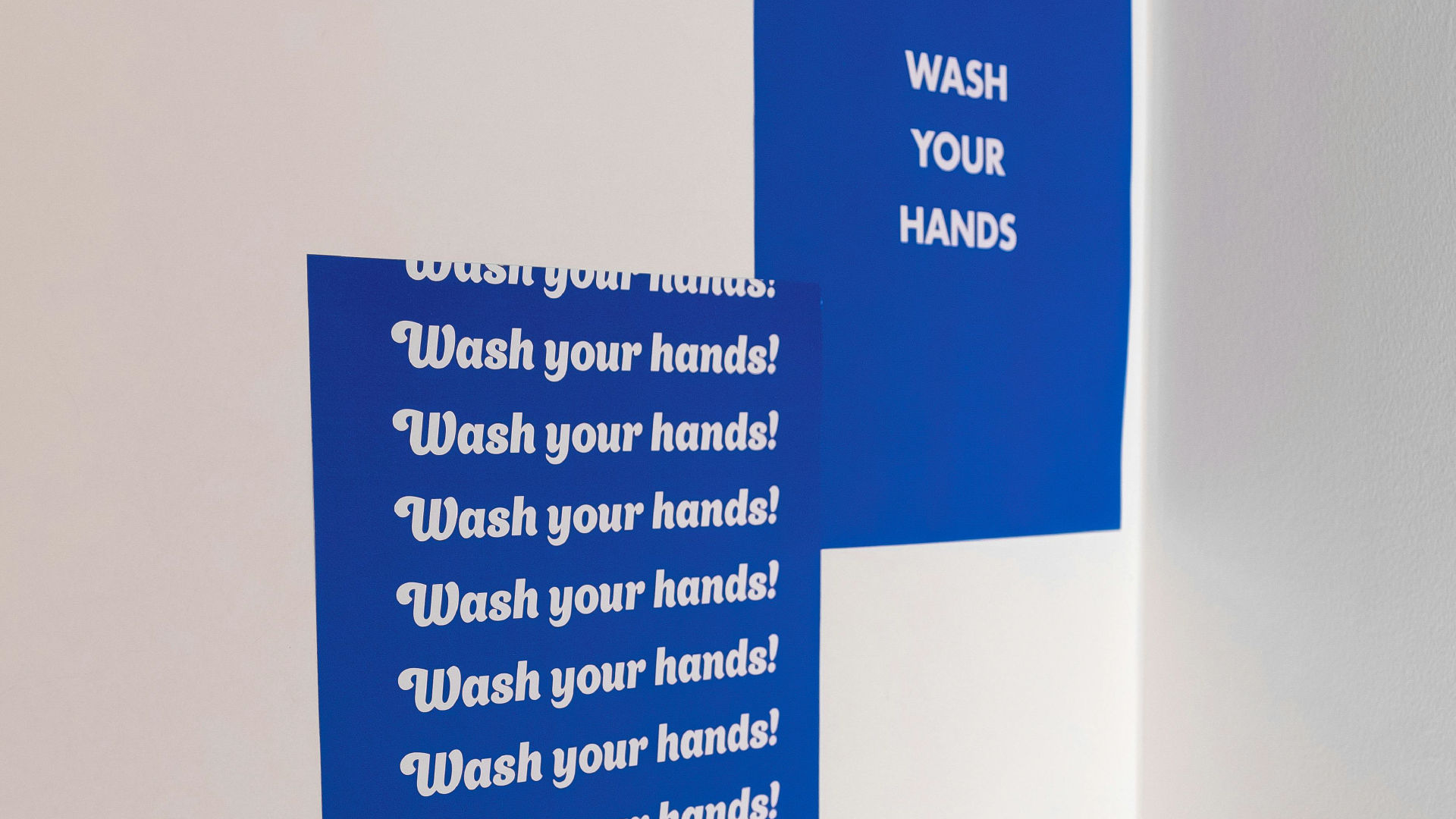
Thin strokes or overly complex details can disappear during printing. Fonts designed for print should maintain clarity and contrast, even when ink spreads slightly.
- Use thicker strokes to maintain visibility.
- Avoid delicate serifs or ultra-thin hairlines.
- Test at small sizes to ensure legibility remains strong.
3. Embrace Texture and Ink Behavior
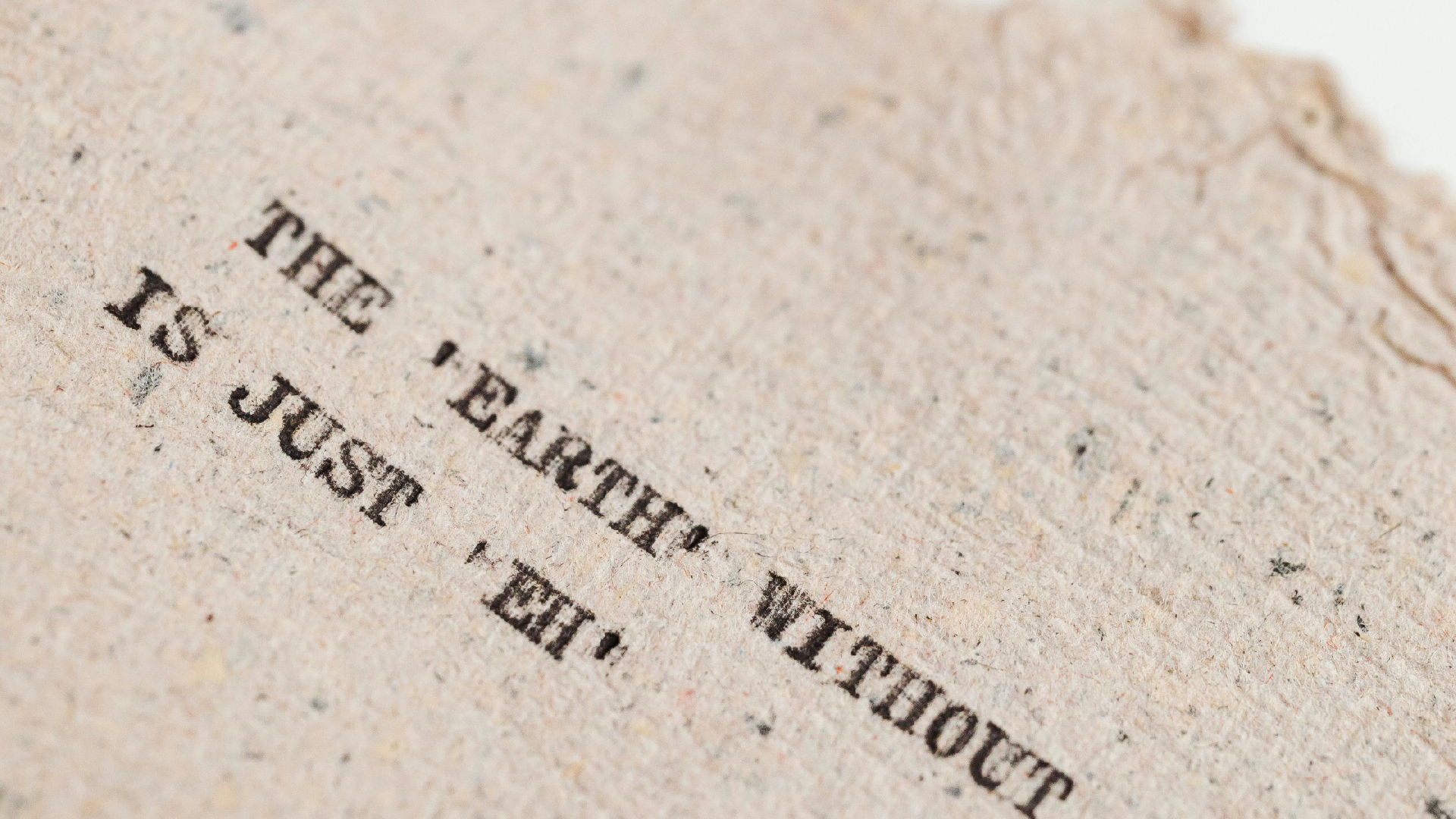
Ink reacts differently on textured paper or risograph drums. For this reason, fonts designed for these techniques often feature organic shapes, soft edges, or intentional roughness.
Consider adding subtle irregularities to your outlines — a touch of wobble or hand-drawn feel — to make the font feel more natural in print.
4. Contrast and Overlapping Colors

Risograph printing shines when designers play with color overlaps. If your typeface is meant for risograph projects, design with layering in mind:
- Create solid, geometric letterforms that align well in multi-color printing.
- Test knockouts and overlays to see how colors blend or shift on paper.
- Use bold weights to keep letters legible when printed in multiple passes.
5. Testing and Proofing

A crucial step is to test your font in real print conditions. Export your typeface and print a few proofs using actual letterpress or risograph machines. Observe:
- Ink density and coverage
- Edge sharpness
- Line consistency
- How paper texture affects readability
Small adjustments, like slightly tighter spacing or thicker counters, can make a big difference.
6. Finding Balance Between Digital and Analog
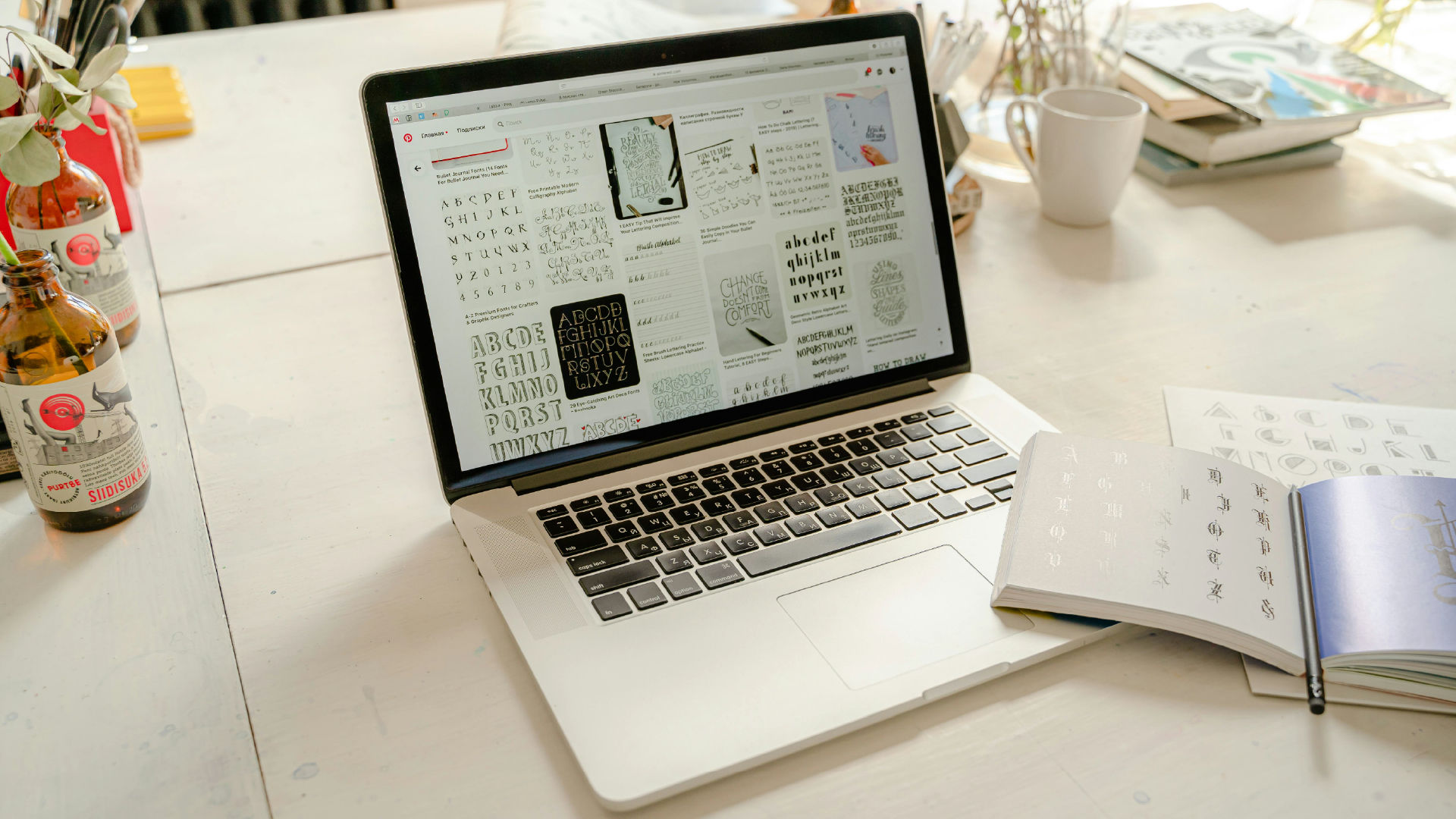
While the process celebrates tradition, modern type design tools like FontLab, Glyphs, or FontForge allow you to fine-tune your work. The goal is not to imitate perfection — it’s to capture the soul of analog printing in a digital framework.
This hybrid approach lets designers create fonts that look timeless in both print and screen — perfect for brand projects that want warmth, craft, and authenticity.
7. Examples of Effective Design Choices
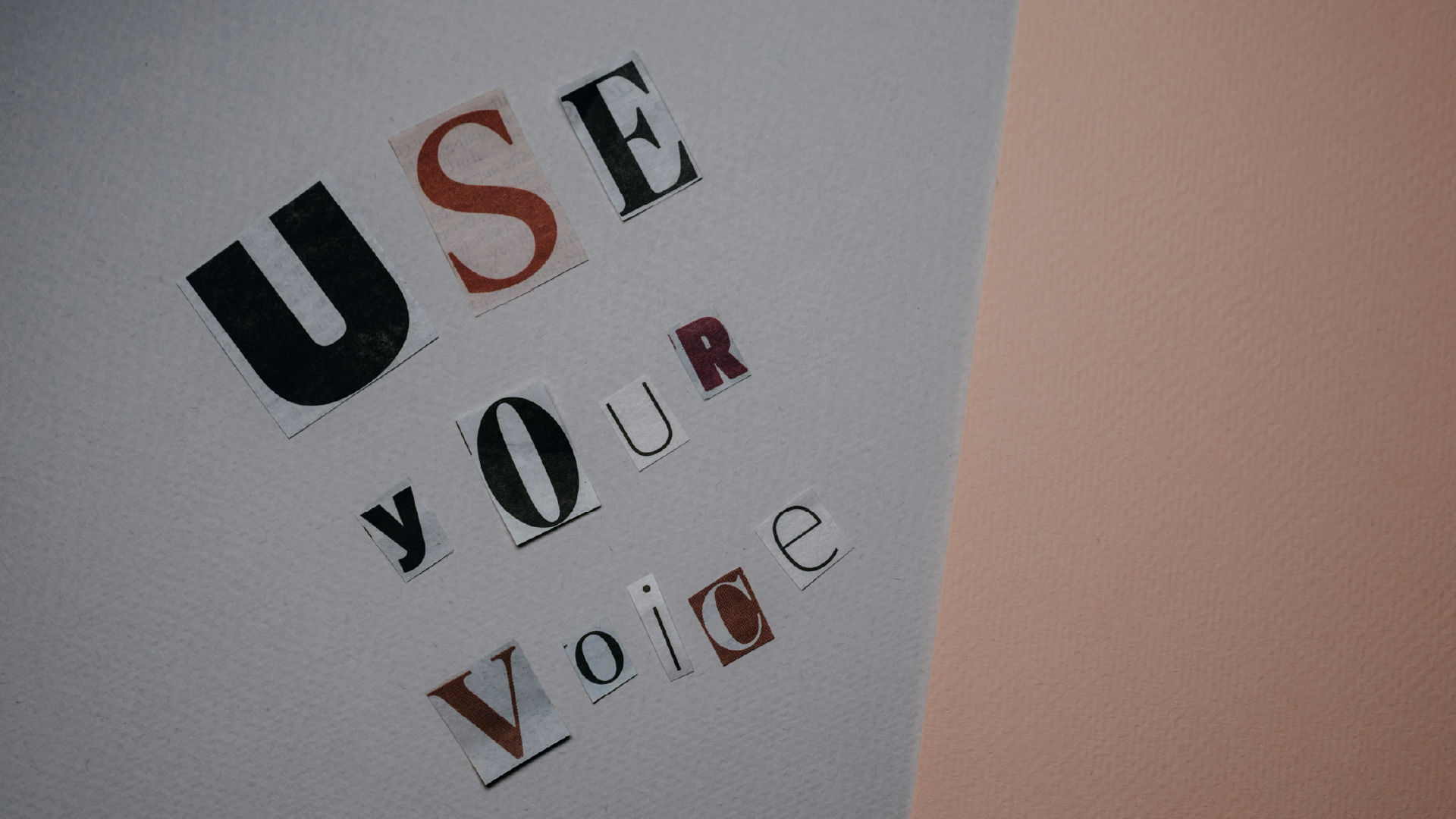
- Sans-serif fonts with even weight distribution for clear impressions.
- Display typefaces with textured edges for risograph zines or posters.
- Serif fonts with softened serifs for letterpress invitations and branding.
Conclusion: Designing with Soul
Creating fonts for letterpress and risograph printing is not about perfection — it’s about personality. Every print tells a slightly different story, and your typeface should complement that unpredictability.
When ink meets paper, and pressure meets texture, design transforms from a digital idea into a tangible experience — something that can be felt, not just seen.