
Hot Typeface Trends of the Moment: Retro, Brutalist, Pixel, and Beyond
Hot Typeface Trends of the Moment: Retro, Brutalist, Pixel, and Beyond
Introduction: A New Era in Typeface Trends
In the fast-evolving world of design, typefaces do more than just convey text—they set the tone, shape emotion, and define the cultural moment. The year 2025 has seen a surge of bold and expressive font styles rising to prominence, especially retro, brutalist, and pixel aesthetics. These trends reflect a growing desire for personality, nostalgia, and digital edge in visual communication.
Let’s explore what makes each of these styles popular—and how you can use them effectively in your projects.
1. Retro Fonts: Vintage Charm with a Modern Twist
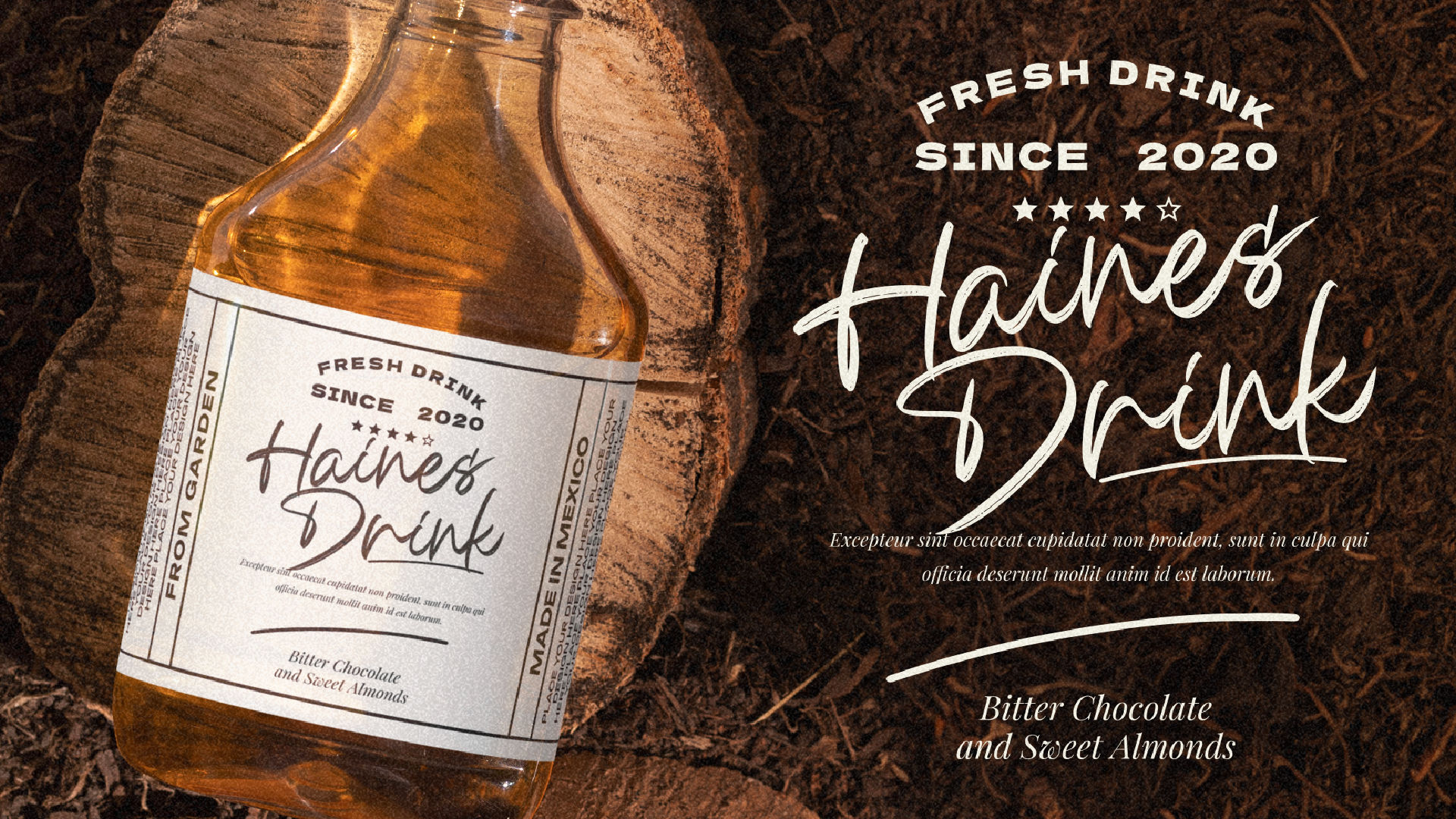
Retro fonts are making a powerful comeback. Inspired by the bold letterforms of the ’70s, ’80s, and ’90s, they offer a nostalgic punch while staying fresh through modern tweaks like variable weights, ligatures, and clean vector edges.
Why it’s trending:
- Evokes emotion and familiarity
- Perfect for branding, fashion, and editorial work
- Works beautifully in large display sizes
Examples:
- Bubble-style disco fonts
- Groovy script fonts with exaggerated swashes
- Condensed sans serifs with rounded edges
Best for: Posters, social media campaigns, packaging, retro-themed logos
2. Brutalist Fonts: Loud, Raw, and Unapologetic
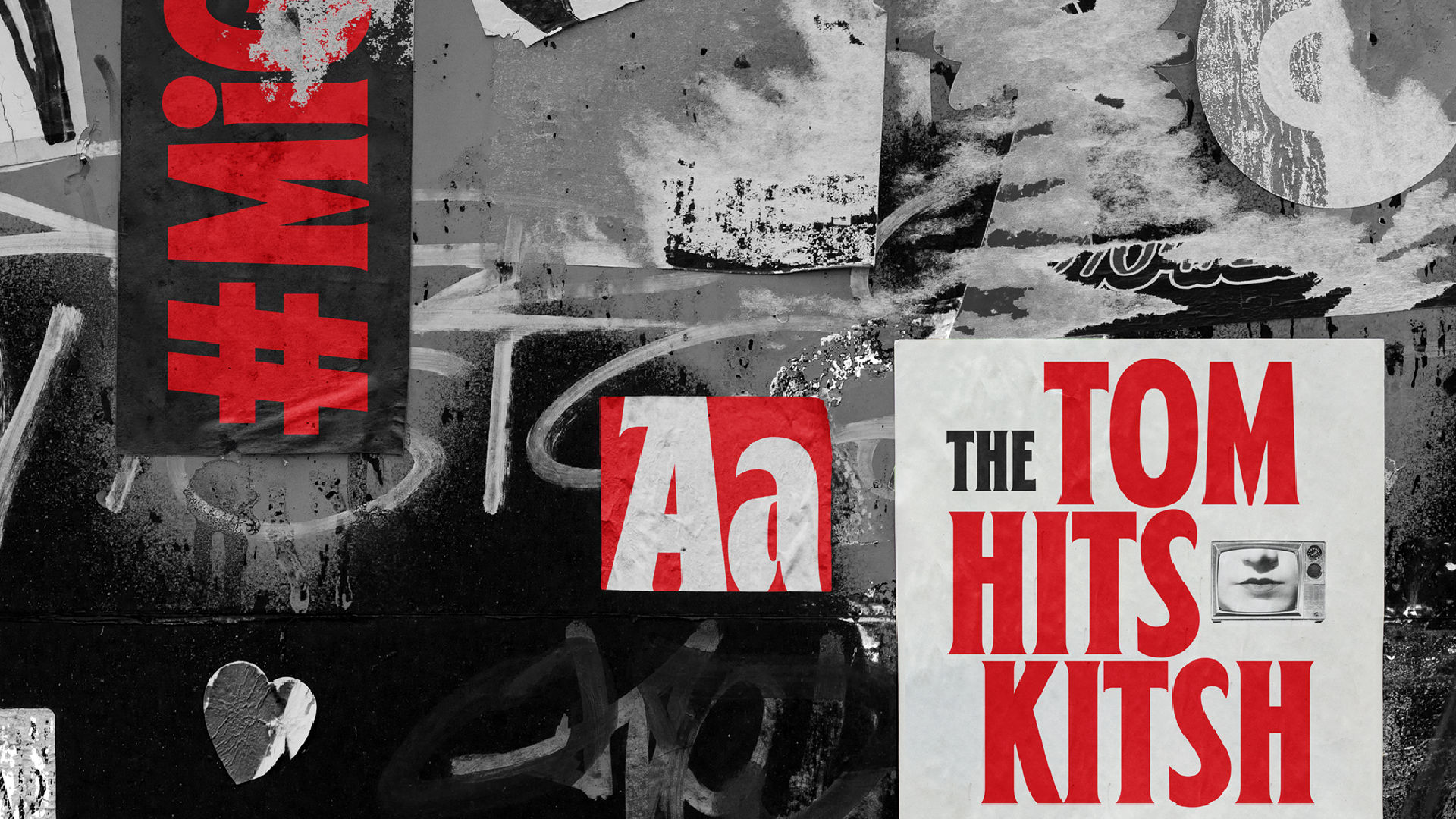
Brutalist typography embraces imperfection and visual intensity. This style often features monospaced letterforms, awkward spacing, stark contrast, and intentionally “ugly” shapes—pushing back against overly polished design.
Why it’s trending:
- Appeals to anti-aesthetic and experimental movements
- Creates high visual impact and tension
- Speaks to Gen Z’s love of rebellion and authenticity
Examples:
- Monospaced bold sans-serifs
- Distorted slab serifs
- Harsh geometric display fonts
Best for: Editorial layouts, music posters, fashion zines, tech startups
3. Pixel Fonts: Nostalgic Digital Vibes
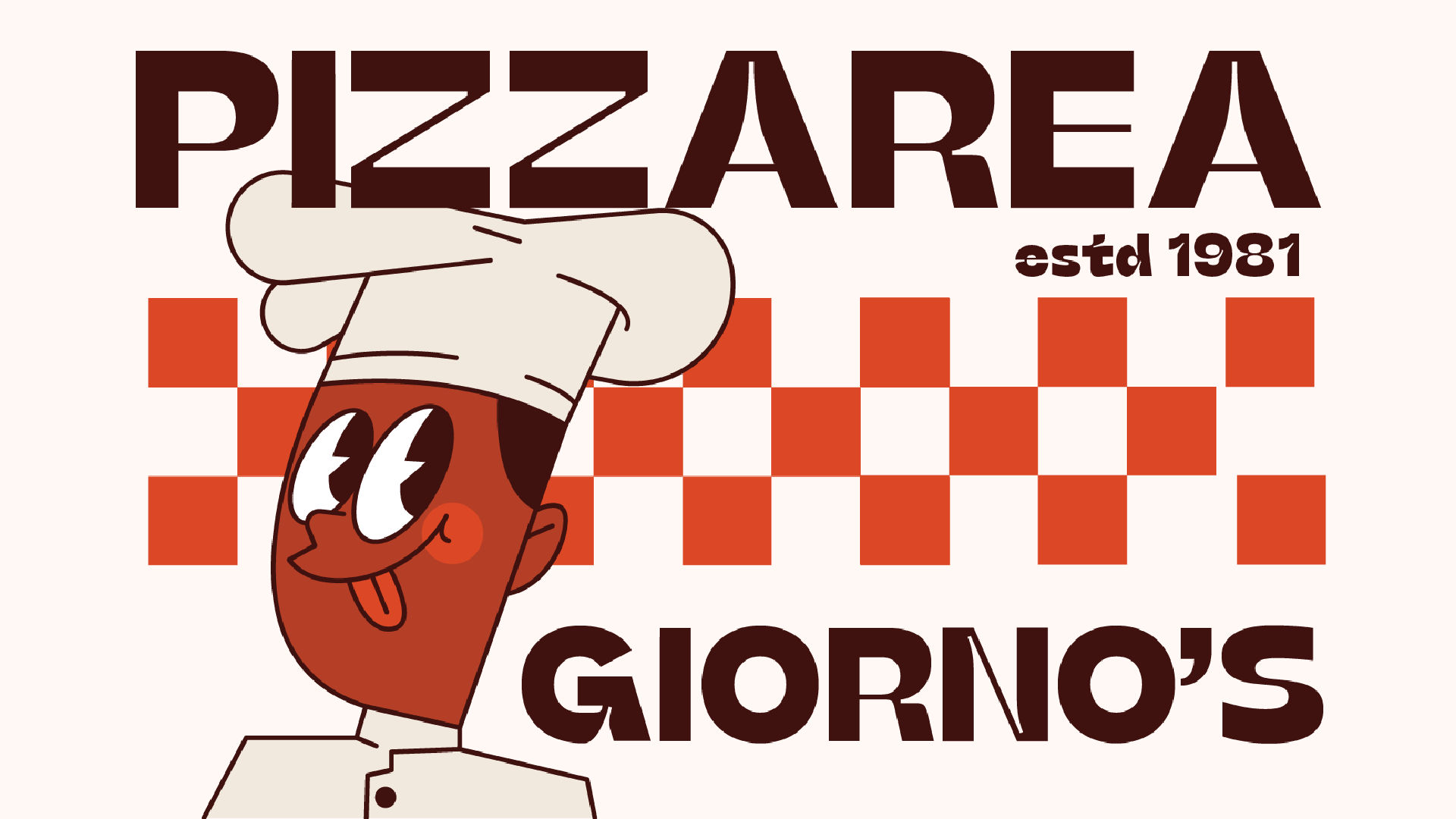
Pixel fonts are born from the aesthetics of early digital screens, video games, and bitmap displays. Their rigid grid-based structure lends itself to fun, futuristic, and nostalgic applications.
Why it’s trending:
- Taps into Y2K and 8-bit nostalgia
- Offers retro-tech credibility
- Great for gaming, virtual worlds, and Web3 branding
Examples:
- 8-bit arcade-style type
- Monospaced blocky fonts
- High-contrast bitmap typefaces
Best for: Game design, app UI, digital collectibles, NFT graphics
Why These Trends Matter
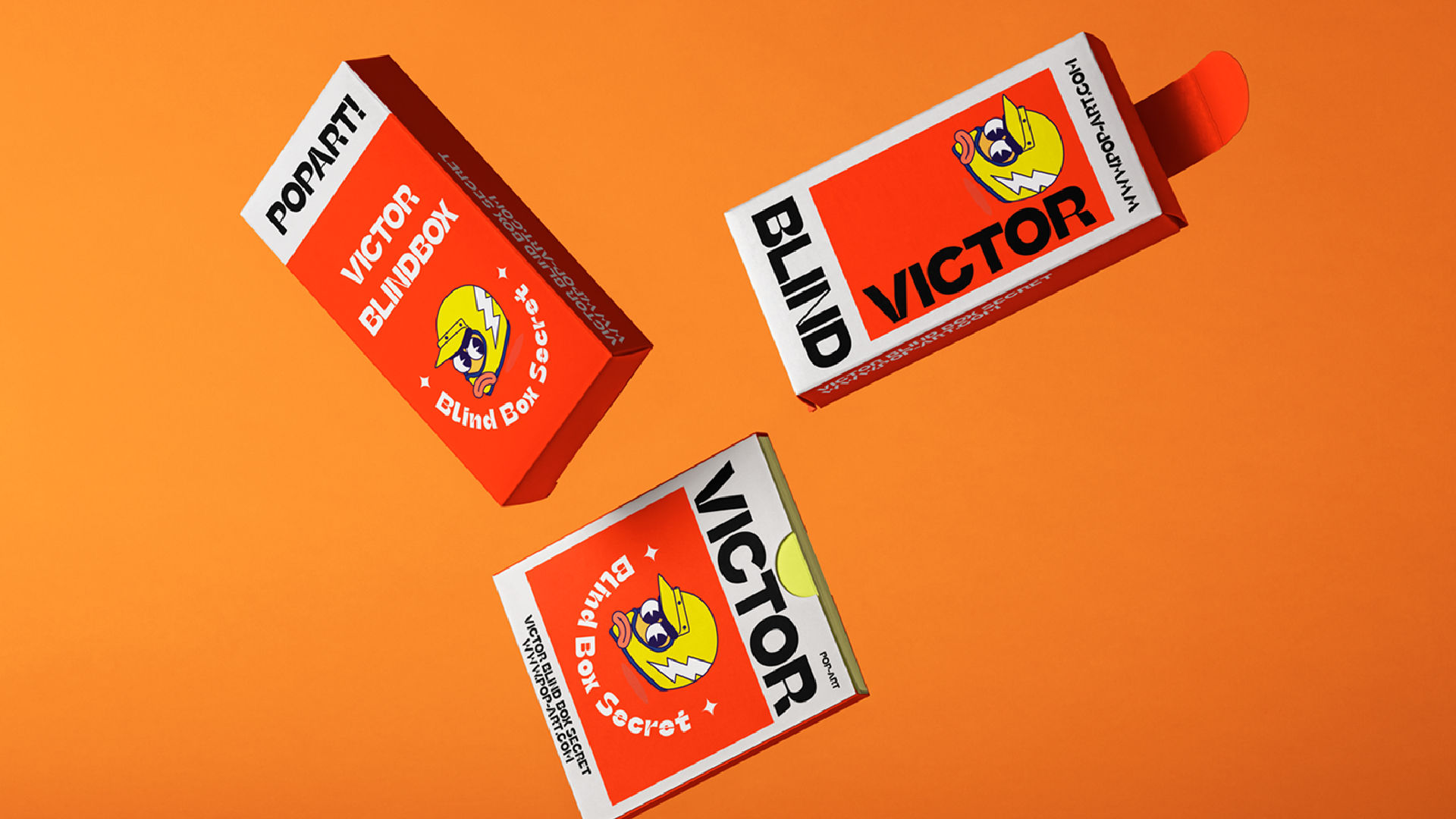
Designers today are more willing to break the rules. Whether it’s diving into the past with retro fonts, challenging the norm with brutalism, or reliving digital roots with pixel type, modern typography is becoming more expressive and experimental.
These styles allow brands and creators to stand out, spark emotion, and tell stories through type. As we move deeper into the digital age, expect these trends to evolve and merge into even more creative directions.
Conclusion: Time to Experiment
Typography is no longer about neutrality—it’s about voice. And the voice of 2025 is bold, nostalgic, and rebellious. Whether you’re designing a brand, a website, or an art project, incorporating one of these trending font styles can instantly elevate your message.
So go ahead—embrace the charm of retro, the edge of brutalism, or the fun of pixelated forms. The future of fonts is playful, loud, and refreshingly unpredictable.