
Legibility vs. Readability in Typography: Why Both Matter More Than You Think
Legibility vs. Readability in Typography: Why Both Matter More Than You Think
Introduction: The Silent Power of Typography
Typography is more than just choosing a beautiful font. It’s the art of making language visible—and understandable. When done right, typography enhances communication without calling attention to itself. But two terms often confuse designers and non-designers alike: legibility and readability. Though related, they serve different roles in effective visual communication.
What is Legibility?
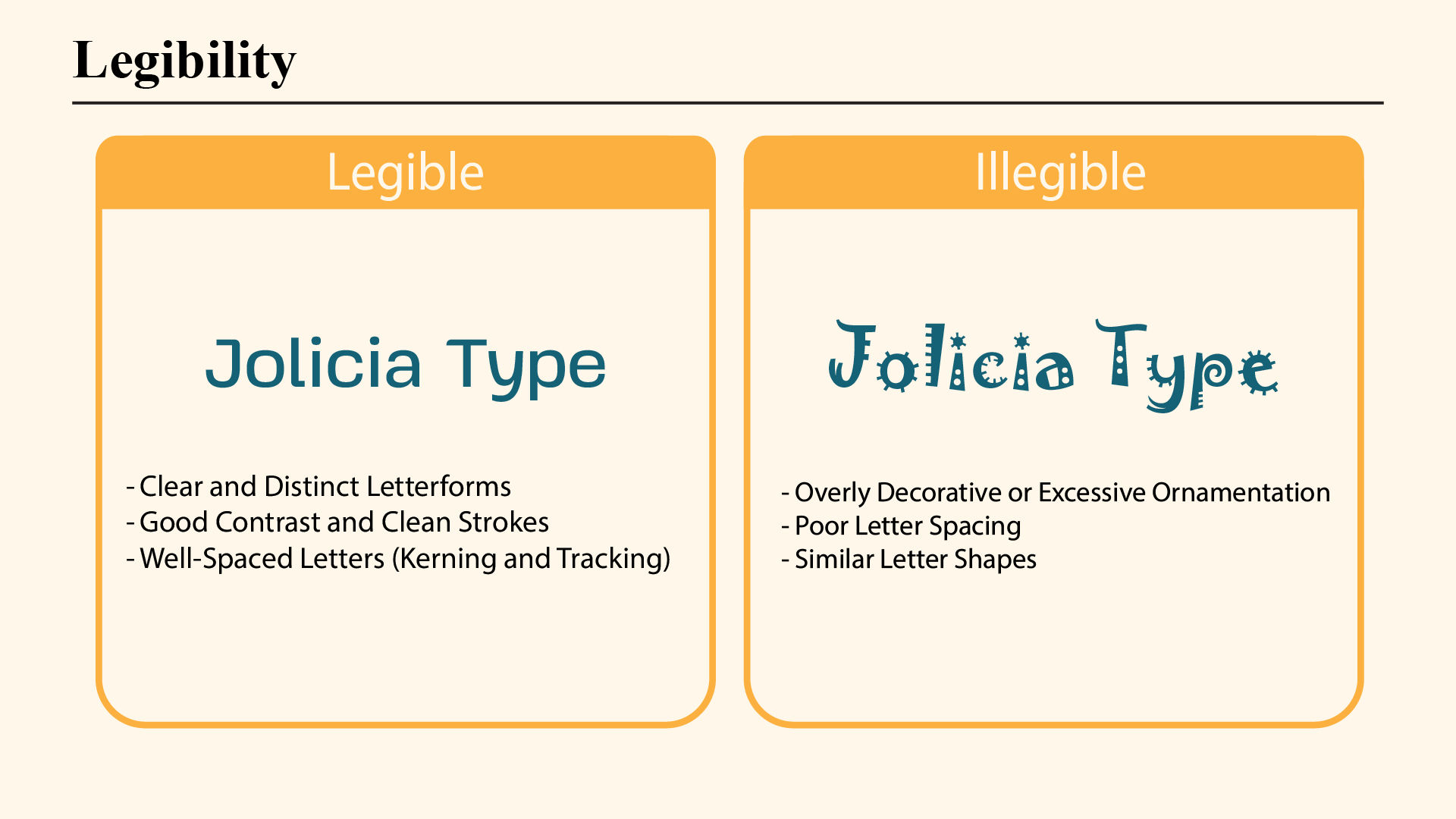
Legibility refers to how easily individual characters or letters can be distinguished from one another. It’s about clarity at the micro-level.
Factors that Affect Legibility:
- Type Design: Fonts with clear shapes (like Helvetica or Georgia) are naturally more legible.
- X-Height & Stroke Width: Higher x-height and even stroke contrast improve letter distinction.
- Letter Spacing (Tracking): Too tight or too loose spacing reduces legibility.
- Font Size: Smaller text is harder to distinguish; legibility increases with appropriate sizing.
🧠 Think of legibility as the ability to “recognize” letters at a glance.
What is Readability?
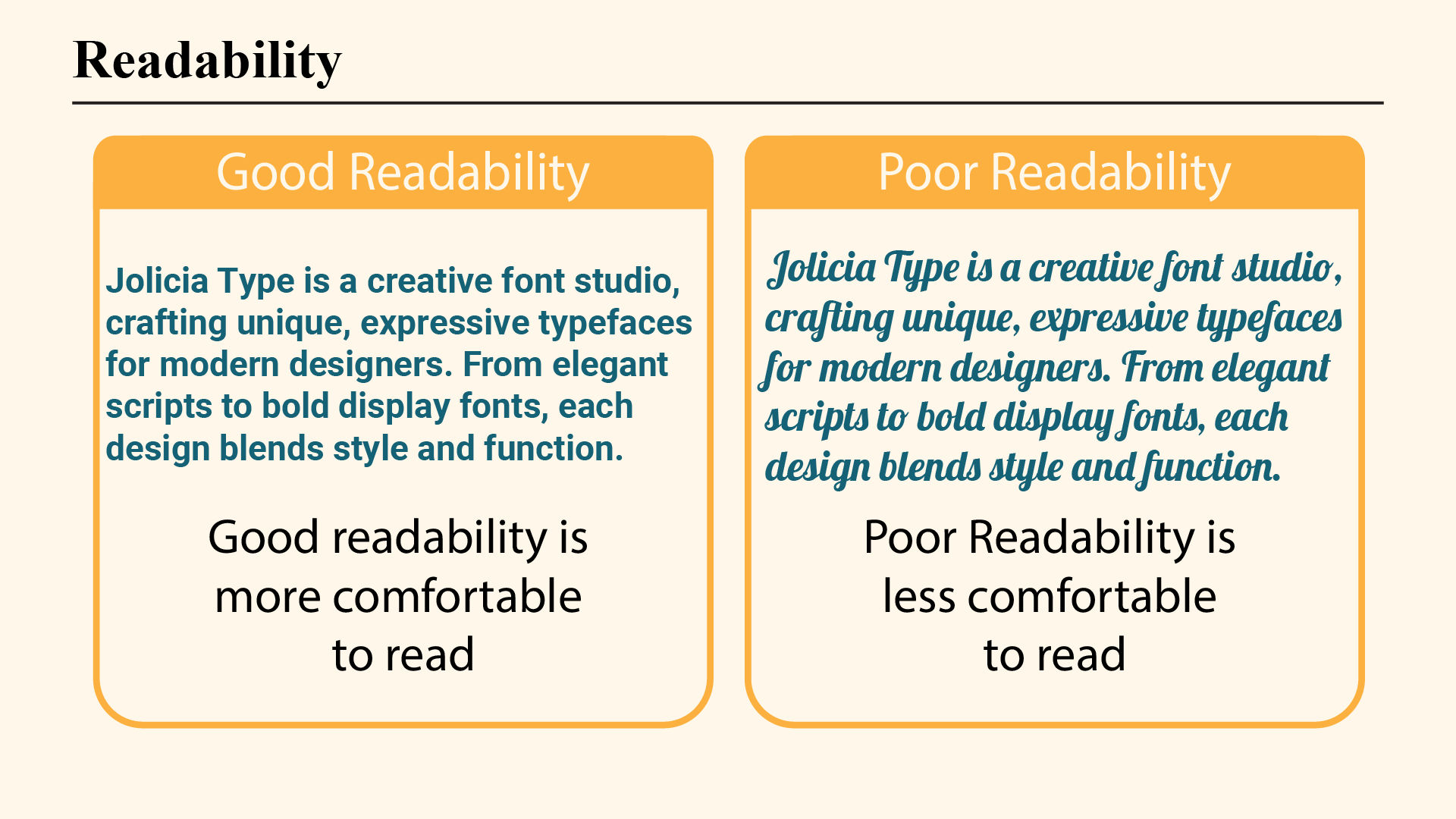
Readability is about how easily you can read and understand blocks of text. It operates at a broader level, considering sentence structure, layout, and typography choices.
Factors that Affect Readability:
- Line Length (Measure): Ideal line length is 50–75 characters. Longer lines tire the eye.
- Line Spacing (Leading): Proper vertical spacing keeps lines from blending together.
- Font Style: Fancy or overly decorative fonts can reduce readability in large bodies of text.
- Contrast & Color: High contrast between text and background enhances readability.
📖 Readability is the smoothness and comfort of reading, especially in paragraphs and pages.
Why Both Matter in Design
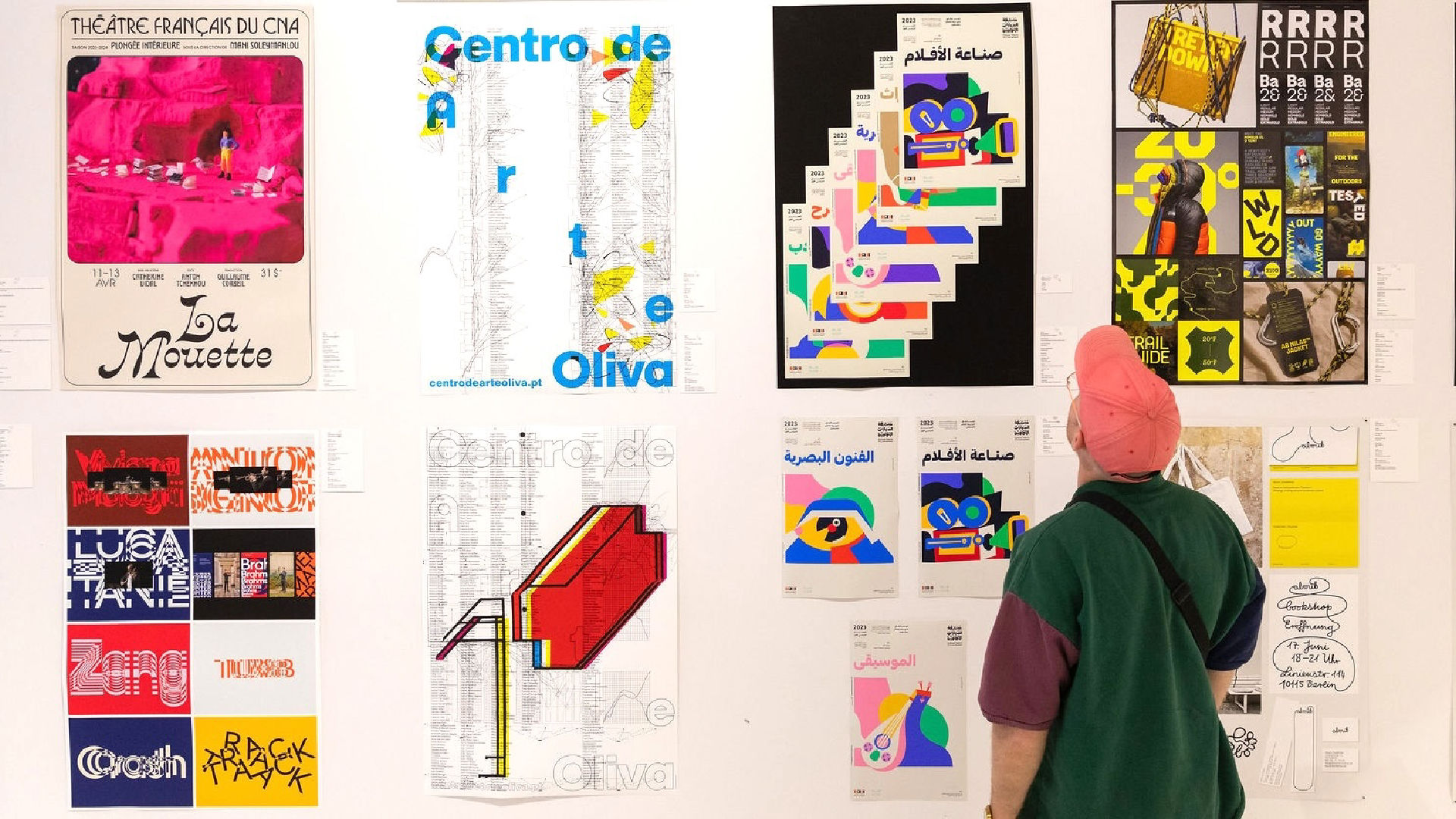
Many designers focus on aesthetics without considering how their typography performs in real-world contexts. A headline might be legible, but if the paragraph beneath it is dense, misaligned, or poorly spaced, the audience won’t engage.
Example Scenarios:
- Posters & Billboards: Require high legibility at a distance.
- Novels & Blogs: Need optimized readability for long-term engagement.
- Web Interfaces: Demand a balance—legible buttons, readable body text.
How to Improve Legibility and Readability
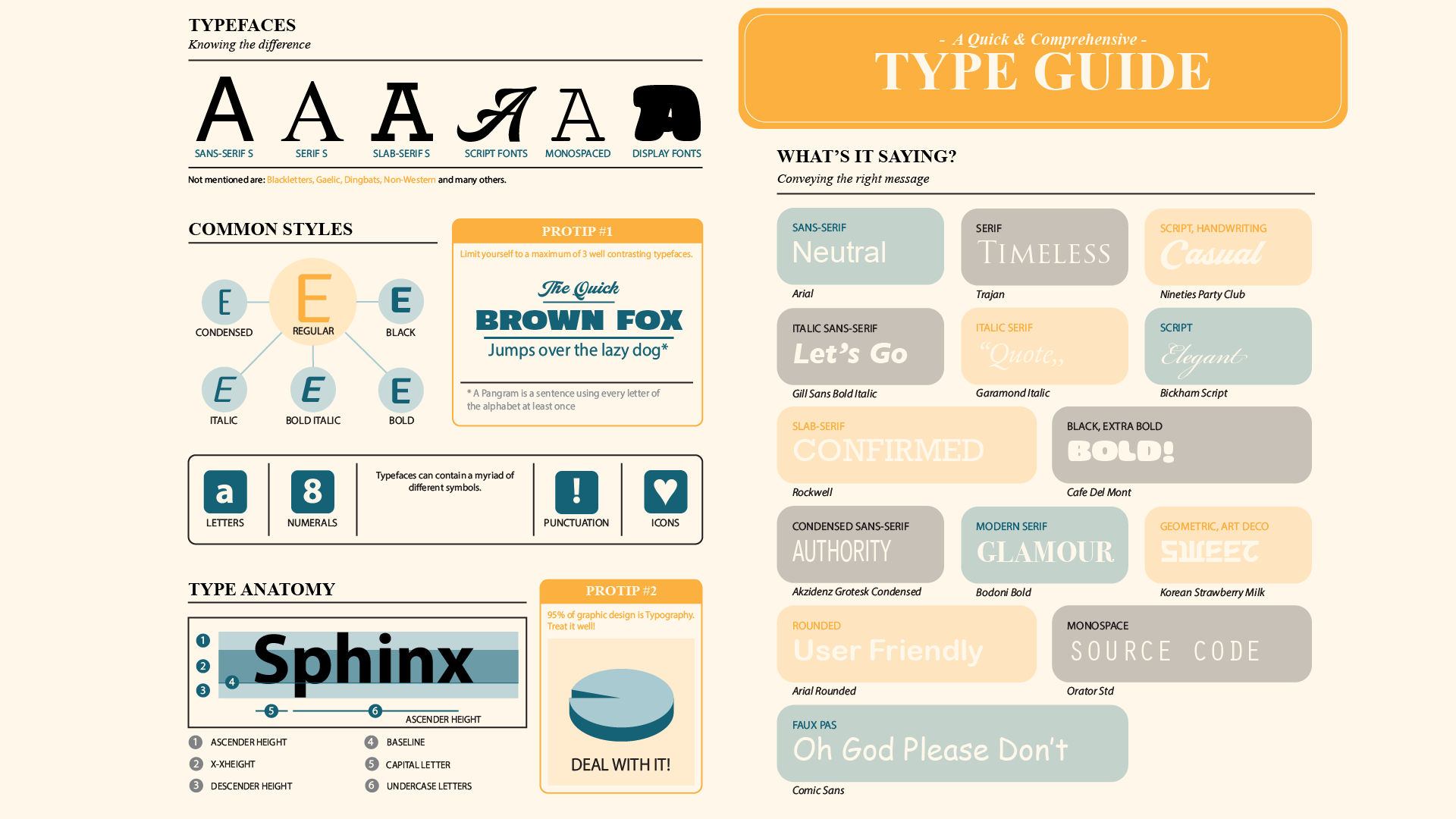
- Choose the Right Typeface: Use sans-serif for screens, serif for print (though this can vary).
- Mind Your Layout: Align text logically, avoid clutter.
- Test Your Designs: What looks good to you might confuse others—get feedback.
- Don’t Overdo It: One or two fonts are usually enough.
Conclusion: Design for Humans, Not Just Aesthetics
Understanding the difference between legibility and readability helps you create designs that communicate, not just decorate. Good typography doesn’t shout—it whispers clearly and effectively. When people can read without effort, your message shines through.