
Mastering Visual Communication: What Is Typographic Hierarchy and Why It Matters
Mastering Visual Communication: What Is Typographic Hierarchy and Why It Matters
In the fast-paced digital world, where users scan rather than read, typographic hierarchy plays a critical role in shaping how content is perceived and understood. Whether you’re designing a website, a brochure, or a social media post, mastering this fundamental principle of typography can make or break the clarity and impact of your message.
What Is Typographic Hierarchy?
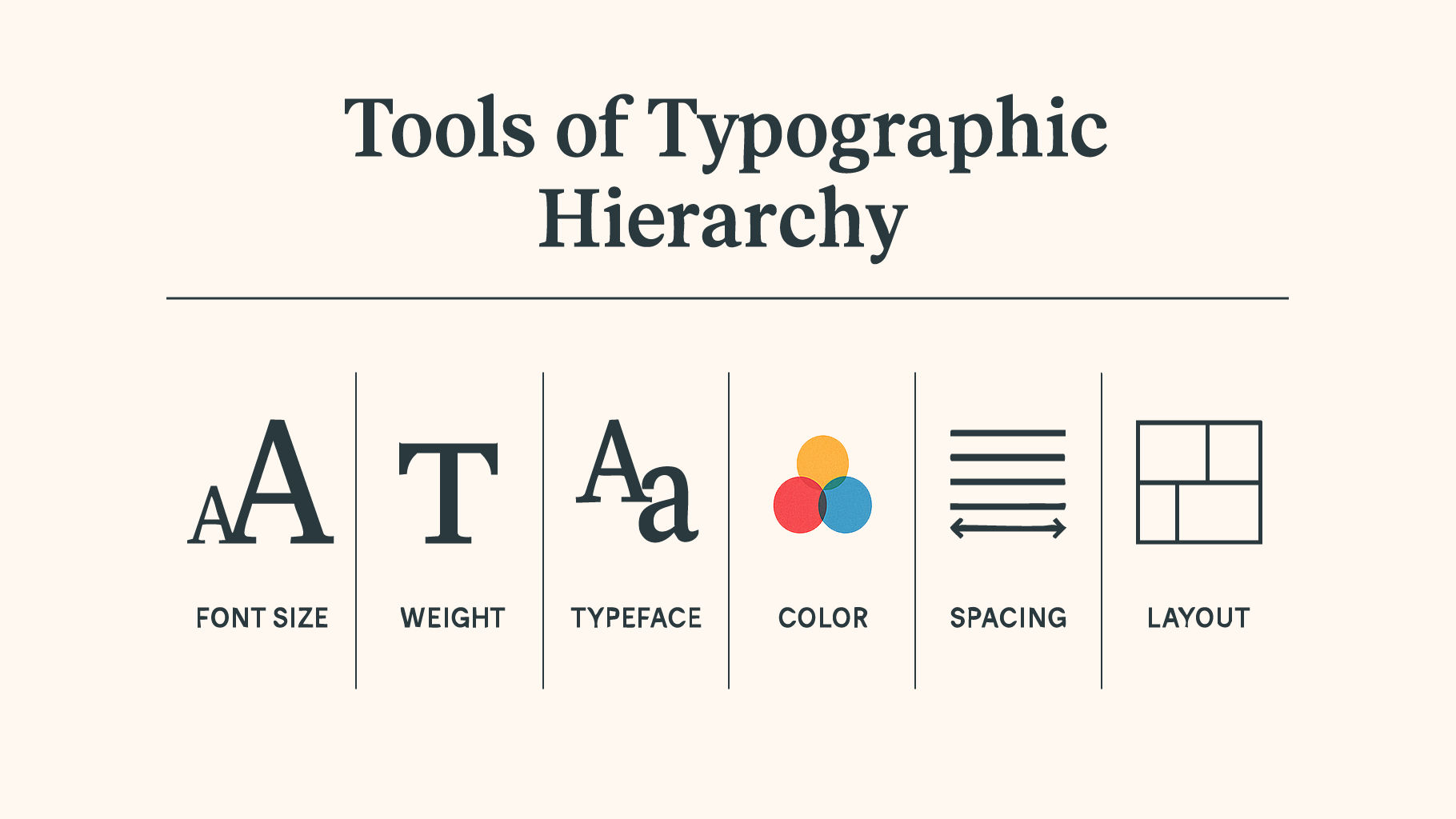
Typographic hierarchy is the system of organizing and styling text to guide the reader’s eye through the content in a clear and logical order. It helps readers instantly understand which information is most important, what comes next, and how different elements relate to one another.
This is achieved through the use of visual techniques such as:
- Font size
- Weight (bold, regular, light)
- Typefaces (serif, sans-serif, script, etc.)
- Color
- Spacing (line height, letter spacing, and margins)
- Position on the page or layout
The 3 Core Levels of Typographic Hierarchy
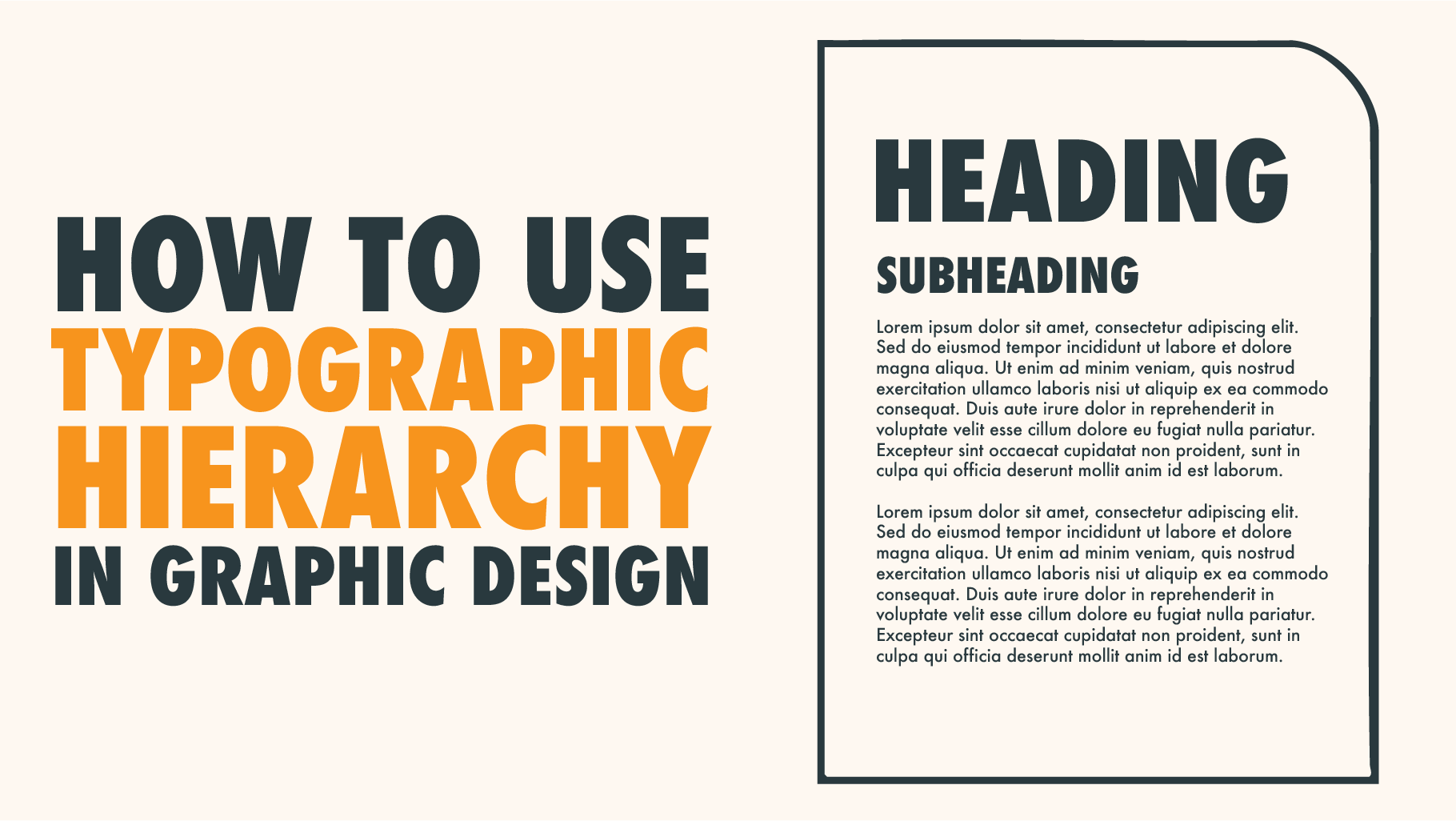
- Primary Level (Headlines)
- This is the most prominent level and is typically used for titles or headers. It captures attention and sets the tone for the entire design.
- This is the most prominent level and is typically used for titles or headers. It captures attention and sets the tone for the entire design.
- Secondary Level (Subheadings)
- Slightly smaller than the headline, subheadings provide structure and context. They break up content into digestible sections and help readers scan more efficiently.
- Slightly smaller than the headline, subheadings provide structure and context. They break up content into digestible sections and help readers scan more efficiently.
- Tertiary Level (Body Text)
- This is the main content area — paragraphs, descriptions, and supporting details. Legibility and readability are key here.
- This is the main content area — paragraphs, descriptions, and supporting details. Legibility and readability are key here.
Bonus: You can also add calls to action, quotes, or captions as separate levels of hierarchy to enhance storytelling and usability.
Why Is Typographic Hierarchy So Important?
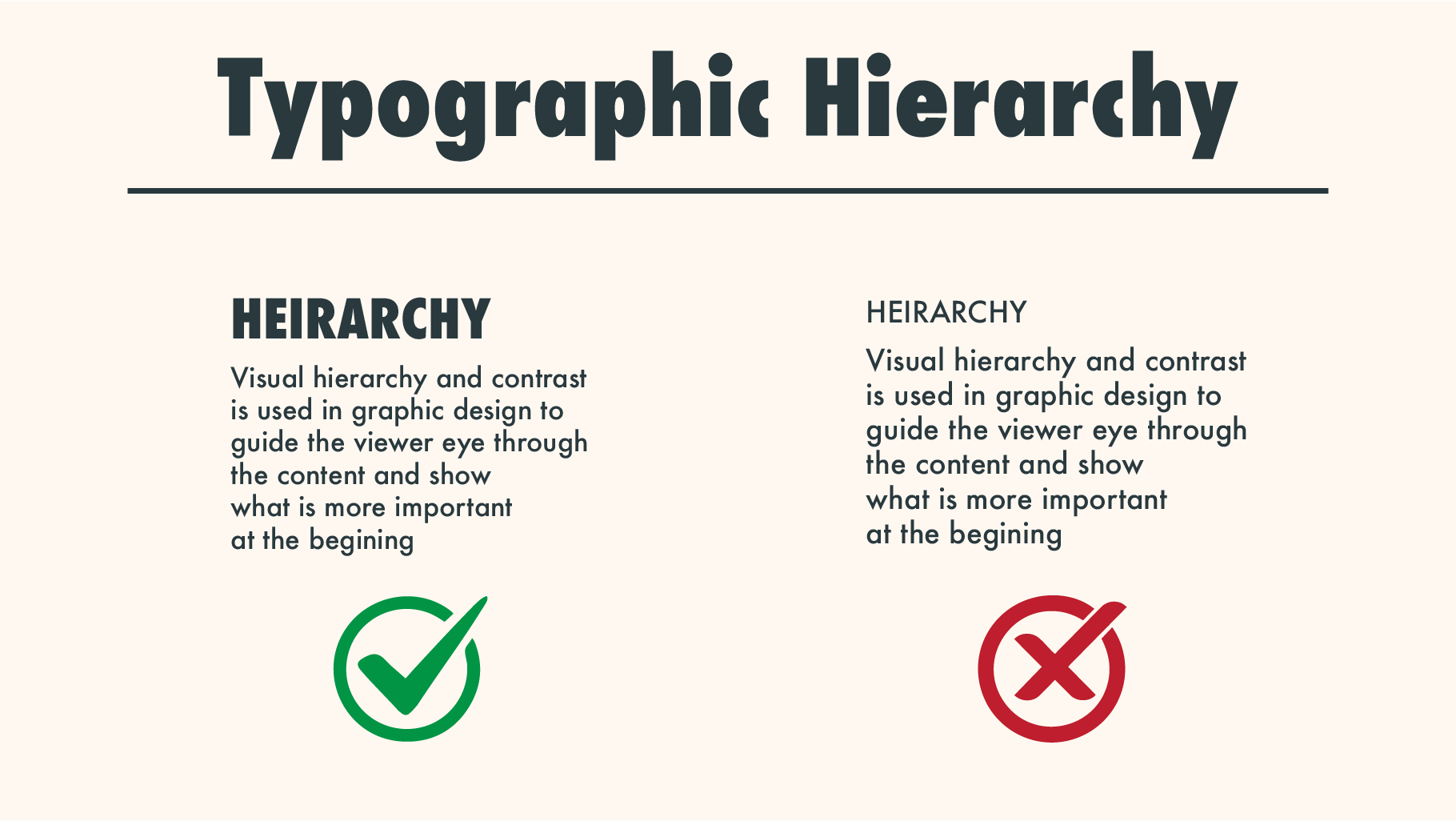
Let’s face it — the average attention span online is just a few seconds. If your content lacks visual structure, most users will bounce before reading a single sentence. Here’s why typographic hierarchy is essential:
- Improves Readability: It helps readers quickly scan and comprehend your message without confusion.
- Enhances User Experience: A well-structured layout keeps users engaged and increases time spent on your page.
- Strengthens Brand Identity: Consistent use of hierarchy builds a professional look and reflects the tone of your brand.
- Drives Conversions: Highlighting key information like calls to action can directly influence behavior and lead to better conversion rates.
Real-World Example
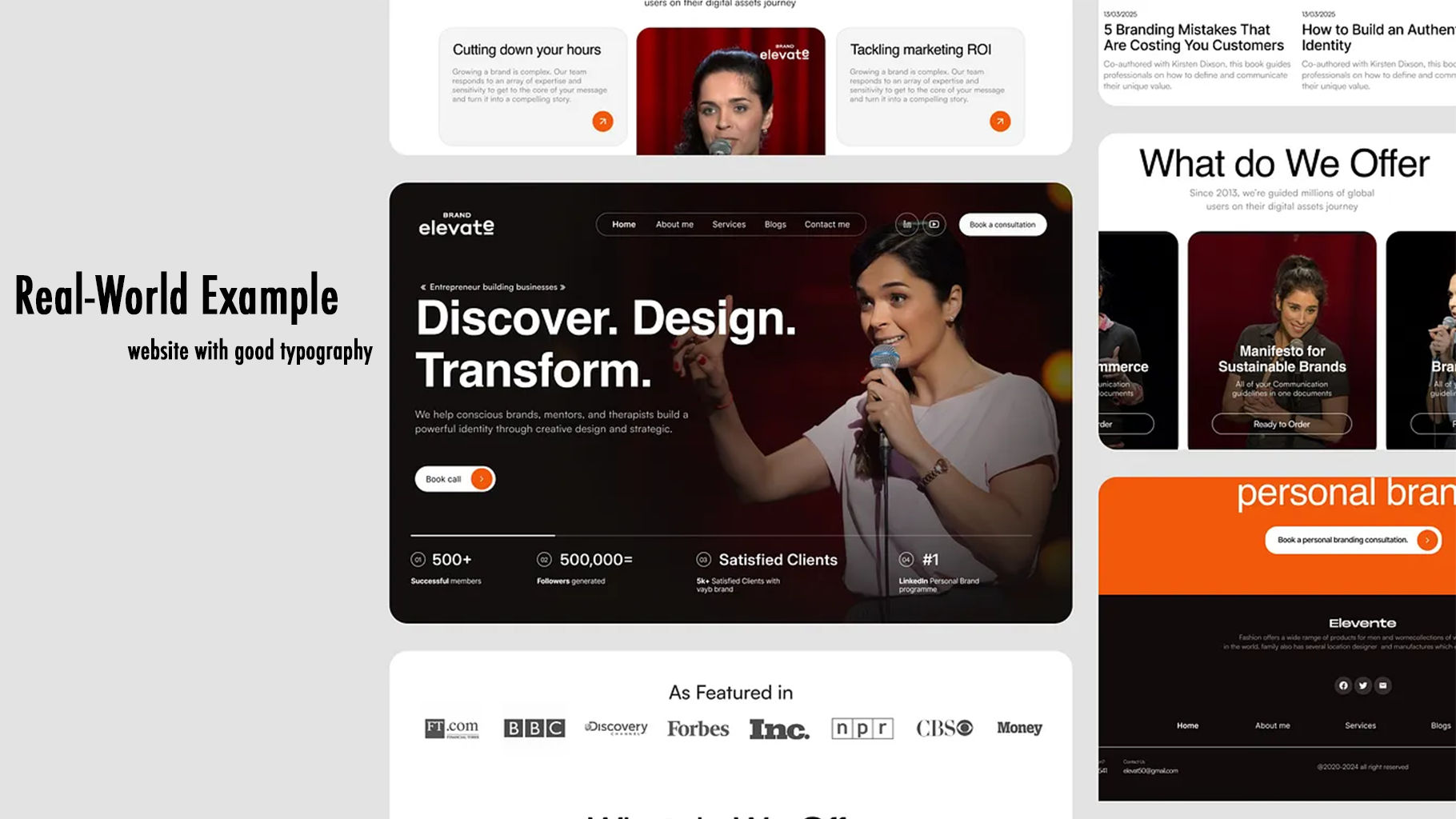
Imagine landing on a product page where the title is the same size as the description, the price is hidden in small text, and there’s no clear button to buy. You’d probably leave, right? That’s poor typographic hierarchy in action.
Now compare that to a clean, well-designed layout: a bold product title, short and engaging subtitle, clear price, and a standout “Add to Cart” button. That’s hierarchy — and it works.
Final Thoughts
Typographic hierarchy is not just about aesthetics — it’s a powerful communication tool. It allows designers to control the flow of information, evoke emotion, and ultimately, make content more effective.
Whether you’re designing a landing page, crafting a font, or building a brand, remember: how you say something visually can be just as important as what you say.