
Naming Power: How to Choose a Strong and Iconic Font Name
Naming Power: How to Choose a Strong and Iconic Font Name
When it comes to font design, crafting the typeface is only half the battle. The other half? Naming it. A well-chosen name can elevate a font from a mere design to a memorable brand. In a crowded market of thousands of typefaces, a strong and iconic name can make your font stand out, attract attention, and stick in the minds of designers, brands, and agencies.
So, how do you choose a font name that is not just unique, but powerful and iconic? Here’s a guide to help you nail it.
1. Start with the Soul of the Font
Before you brainstorm names, understand the essence of your font. Ask yourself:
- What mood or emotion does the typeface evoke?
- Is it elegant, aggressive, playful, modern, vintage?
- What is the font’s intended use—branding, editorial, tech, fashion?
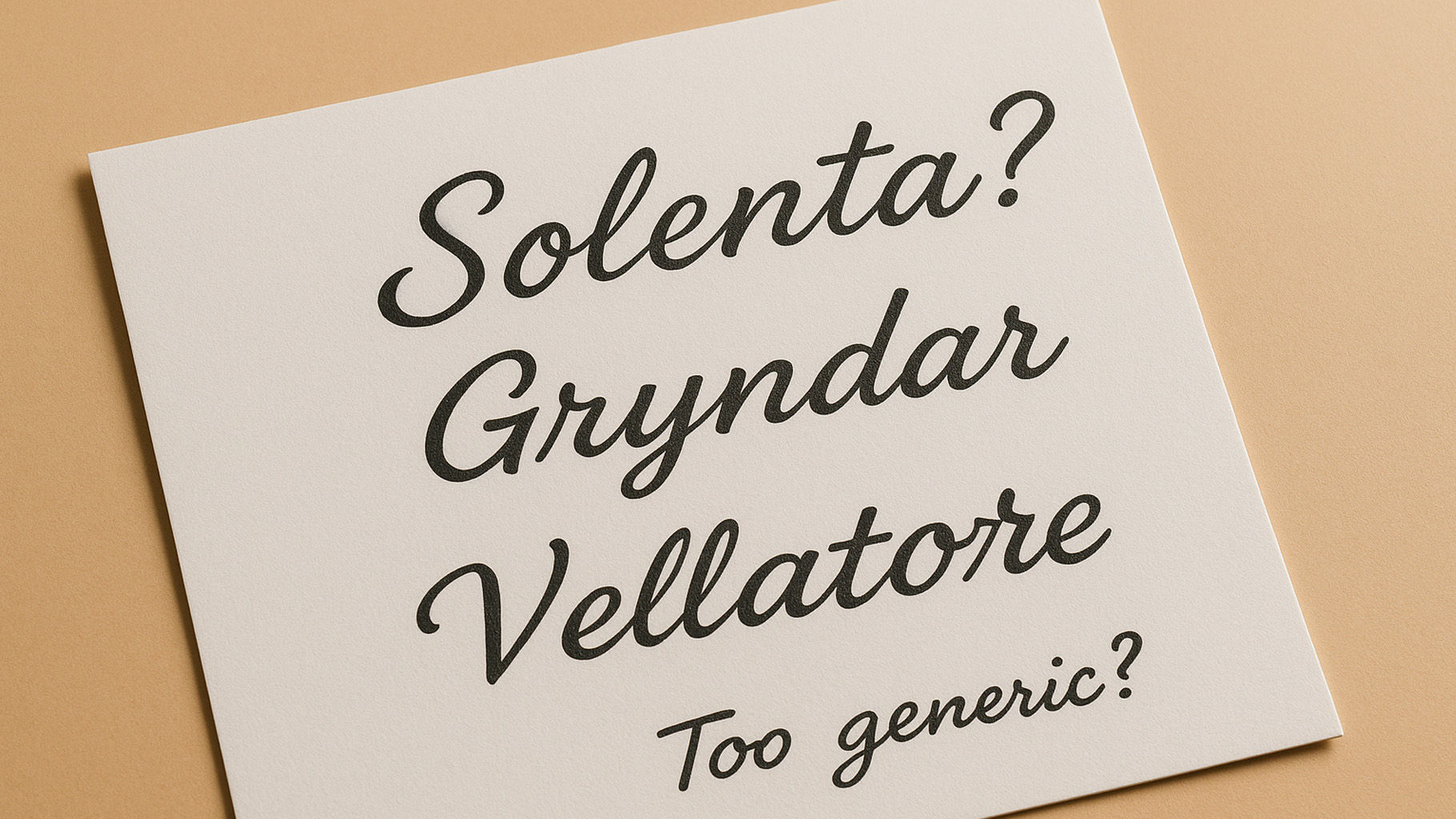
The name should reflect the character of the font. For example, a high-contrast serif with luxury appeal might deserve a name like “Vellatore” or “Lucerna”. Meanwhile, a bold sans-serif could work with something punchy like “Kolt” or “Strakt”.
2. Keep It Memorable and Easy to Say
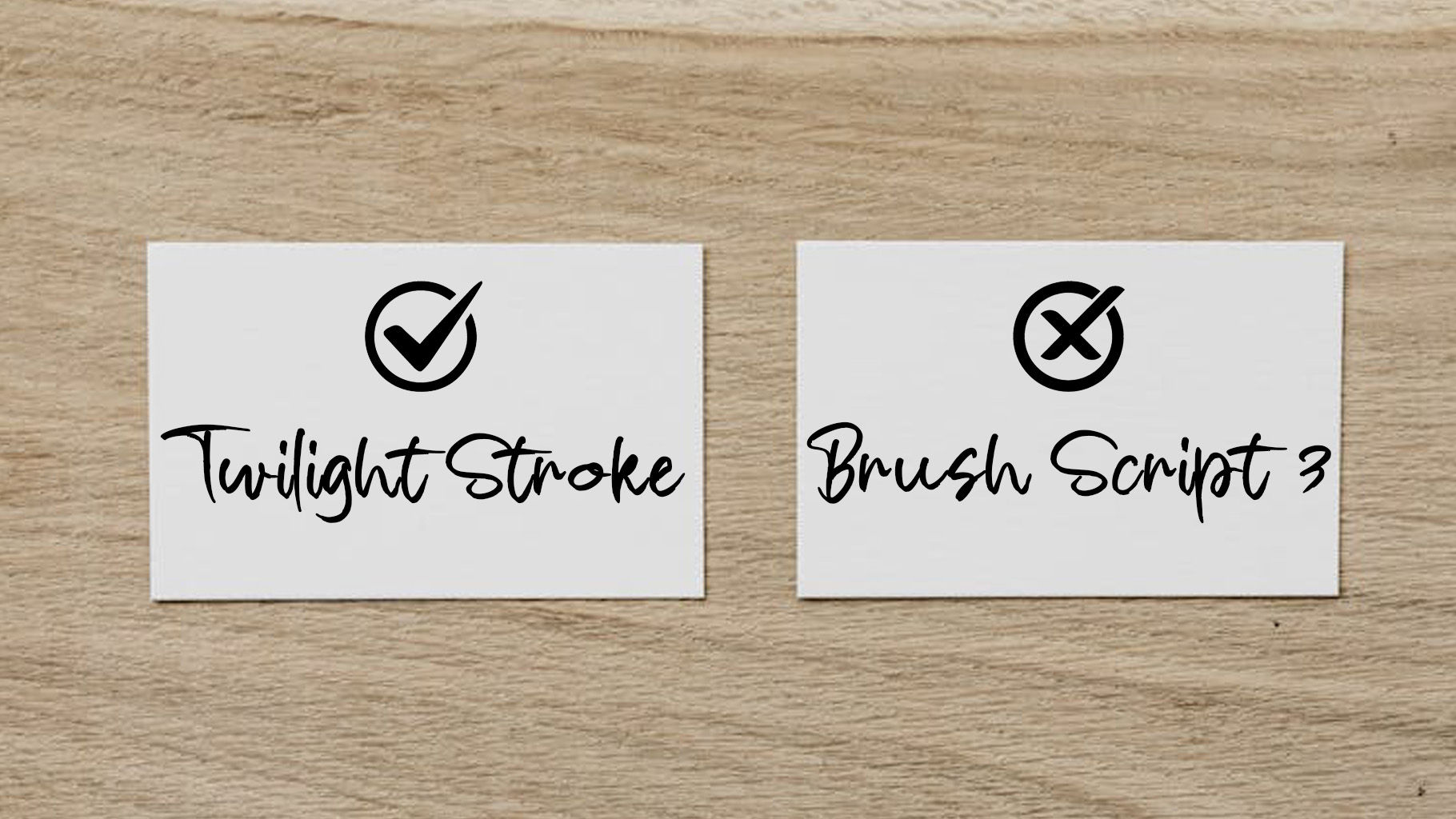
A good font name is easy to remember, pronounce, and search. Avoid names that are overly complex or generic. You want your font to come up in search engines and font marketplaces without confusion.
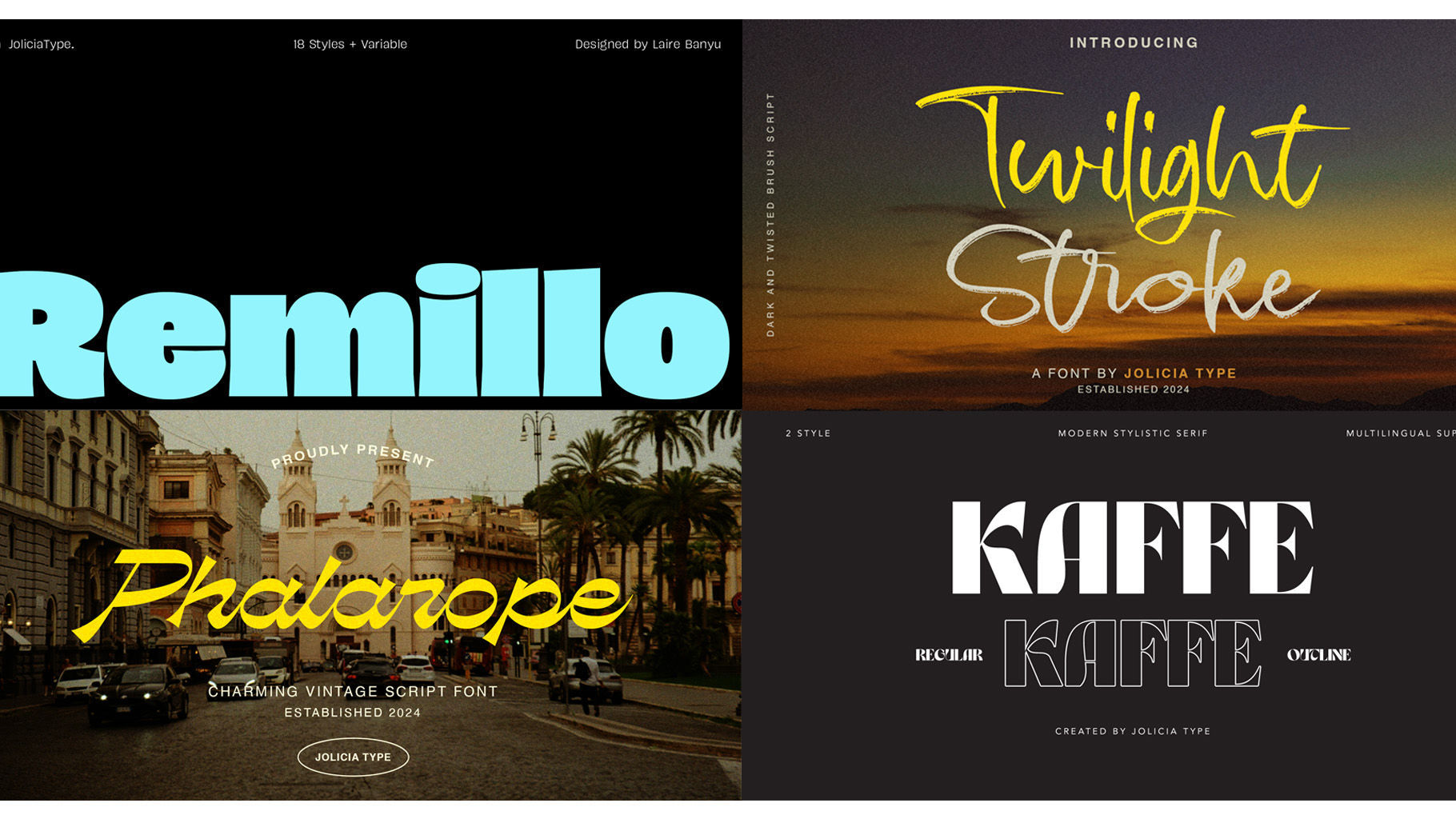
Tip: Use short to medium-length words with strong consonants. Names like “Kaffe”, “Moncheur”, or “Remillo” are distinctive, readable, and unique.
3. Aim for Originality — But Check for Conflicts
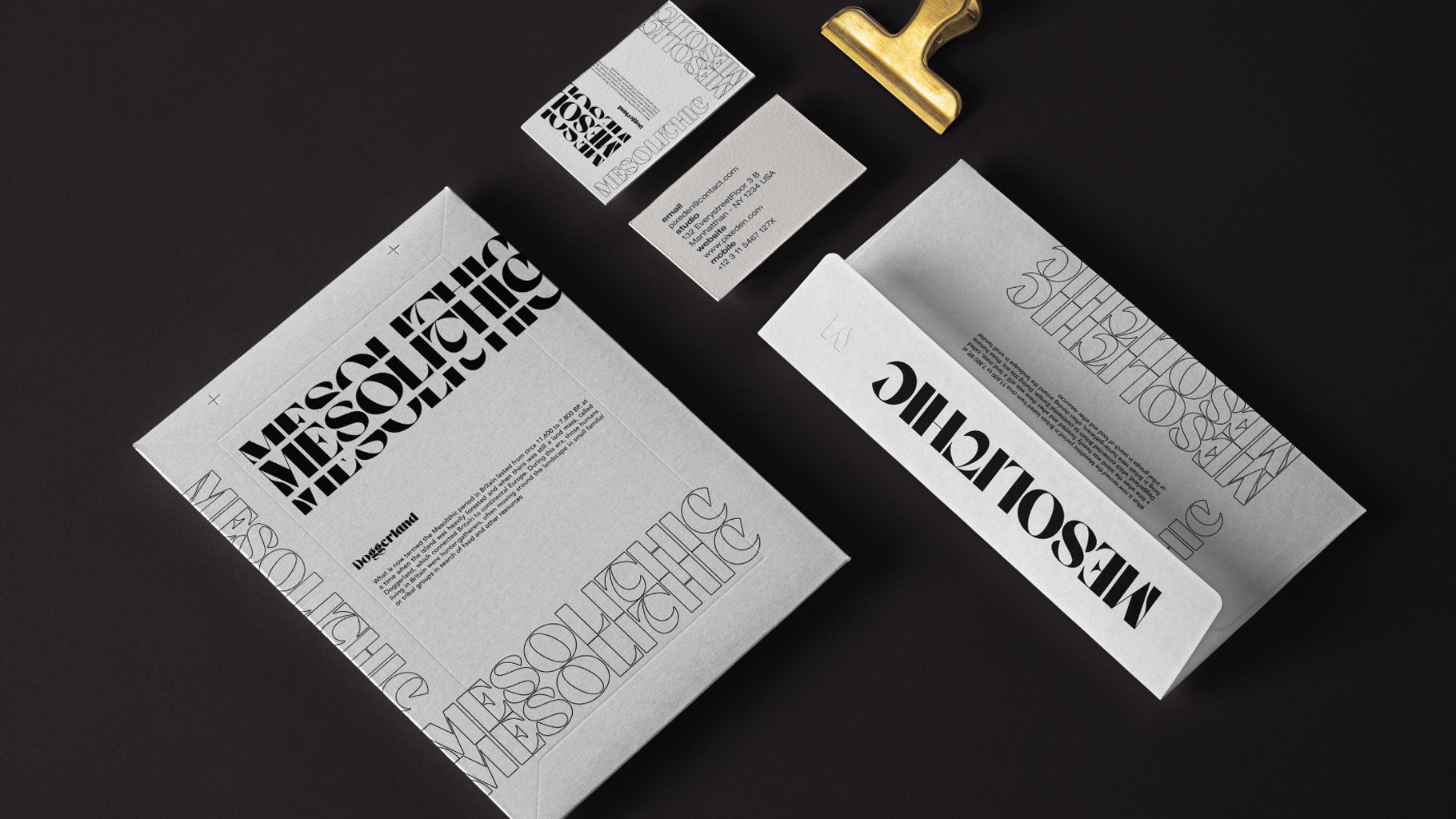
It’s tempting to go with something that “sounds cool,” but if it’s already taken, it could cause confusion or even legal issues. Do a quick check on:
- Google search
- MyFonts, Fontspring, and other major font platforms
- Trademark databases (for commercial use)
Bonus: Check domain availability. A matching .com or .type domain strengthens the brand.
4. Use Meaning, but with Subtlety
You don’t always need a literal name. Instead, use metaphors, foreign words, or invented terms. A brush script inspired by twilight skies could be called “Twilight Stroke”. A reverse-contrast font with avian flow might go by “Phalarope.”
Invented words or modified real ones help create uniqueness while still evoking a mood or style.
5. Test It Out Loud and Visually
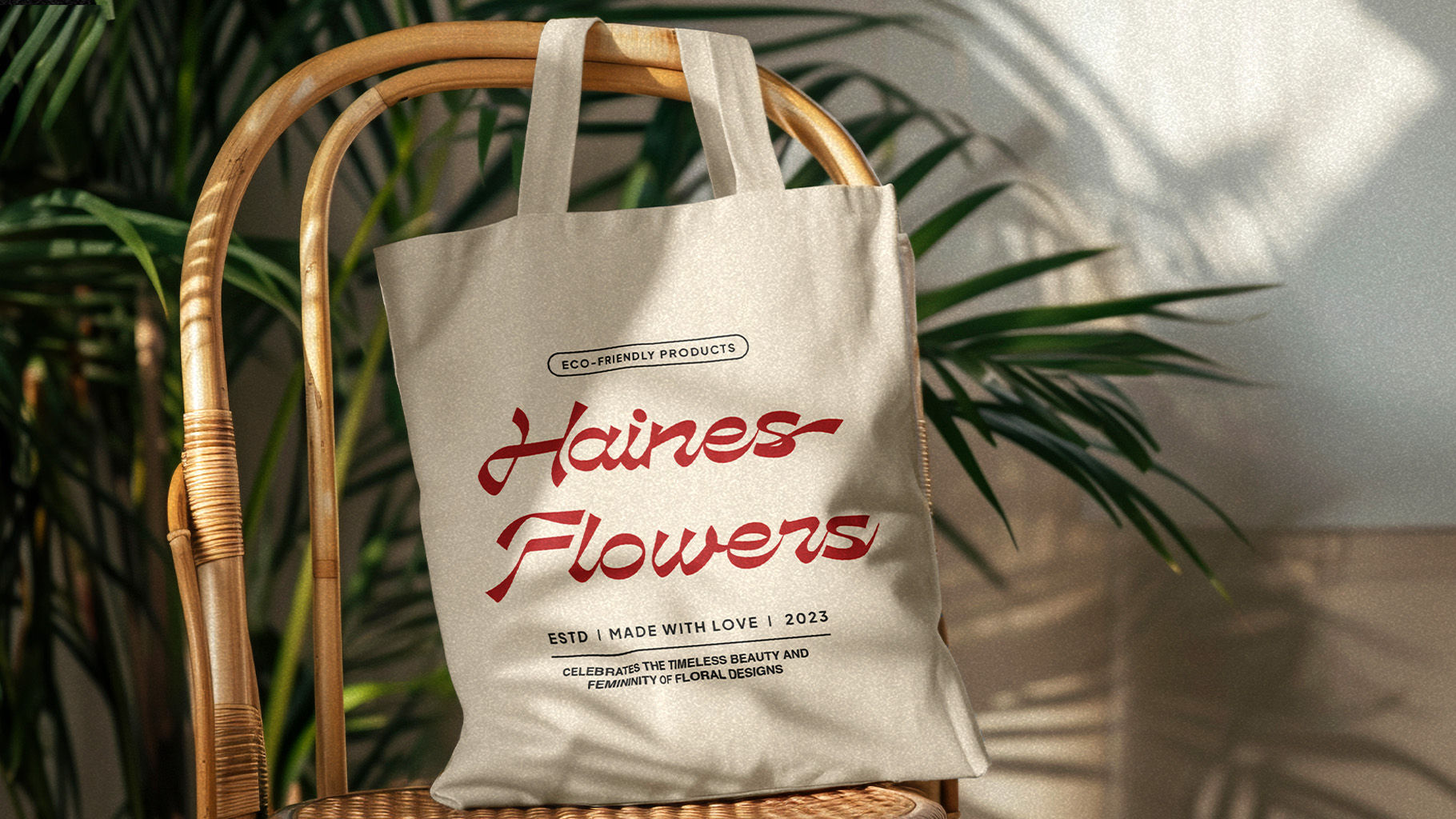
Say the name aloud. Type it next to the font. Does it feel aligned with the typeface’s energy? Share it with peers or your target audience. A good name resonates—instantly and emotionally.
If it looks good in marketing mockups, Behance thumbnails, or font covers, you’re on the right track.
6. Think Beyond the Font — Build a Brand
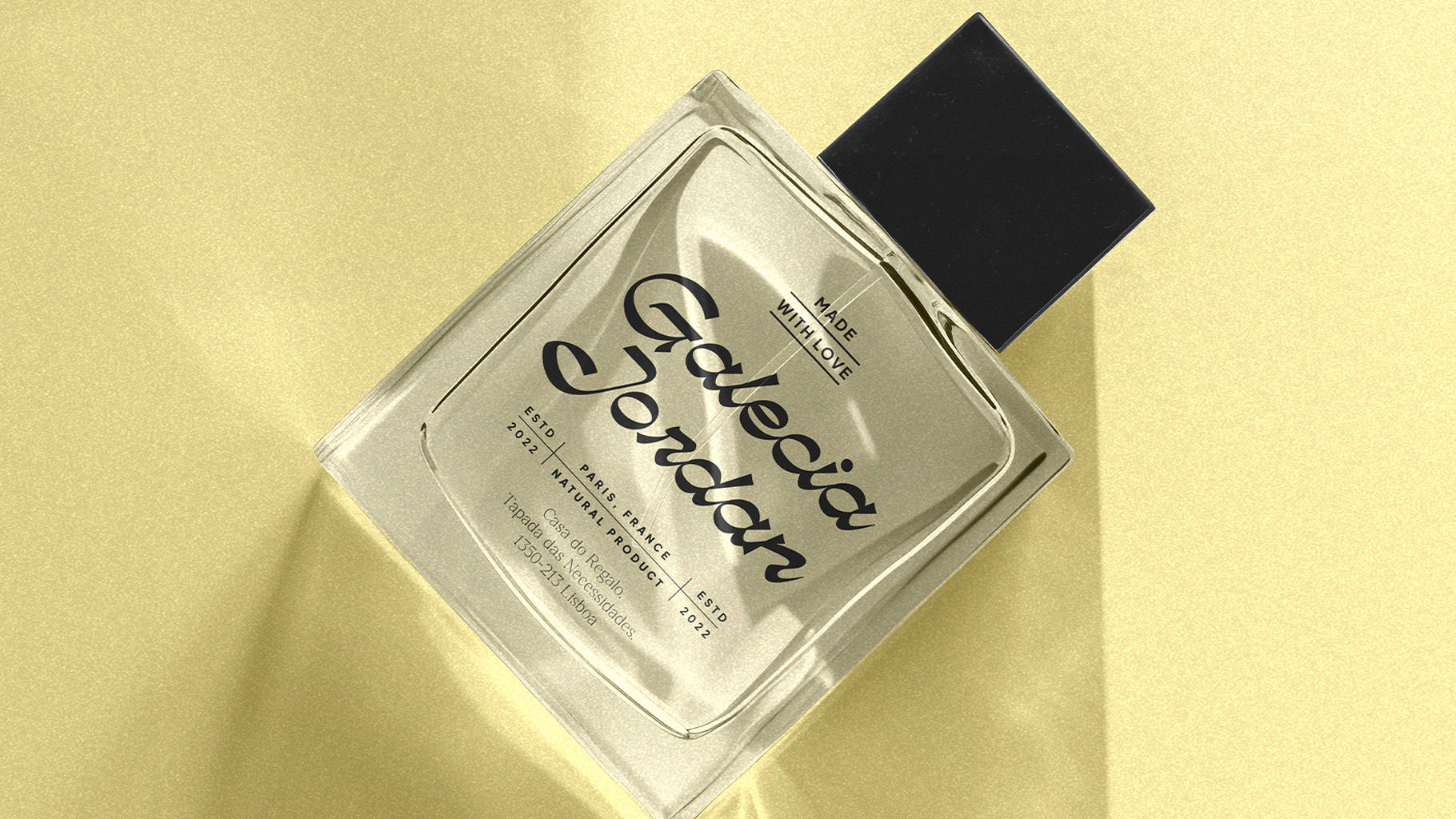
A great font name opens the door to a family. Could this name support multiple weights and styles under the same branding? Could it become part of a superfamily or bundled collection?
Strong names feel like they belong to something bigger than just one product—they hint at a world, a narrative, a voice.
Final Thought
Choosing a font name is not just a creative step; it’s a strategic one. A strong and iconic name becomes the anchor of your font’s identity. It invites designers to remember it, trust it, and use it. So next time you finish kerning that last glyph, take a moment to honor your creation with a name it truly deserves. Because in the world of typography, names do matter.