
The Creative Journey of Making a Typeface
The Creative Journey of Making a Typeface
More than just letters—it’s design, emotion, and identity.
Have you ever stared at a beautiful piece of typography and wondered—who designed this, how was it made, or why does it feel so perfect for this brand or poster?
Behind every typeface lies a journey. A story. A spark of inspiration, hours of sketching, endless tweaking, and a designer’s quiet obsession with details most people never notice. Let’s take you behind the scenes of how a font is actually born—from a fleeting idea to a polished product ready to shape the world’s visual language.
1. The Spark: It All Starts with a Feeling
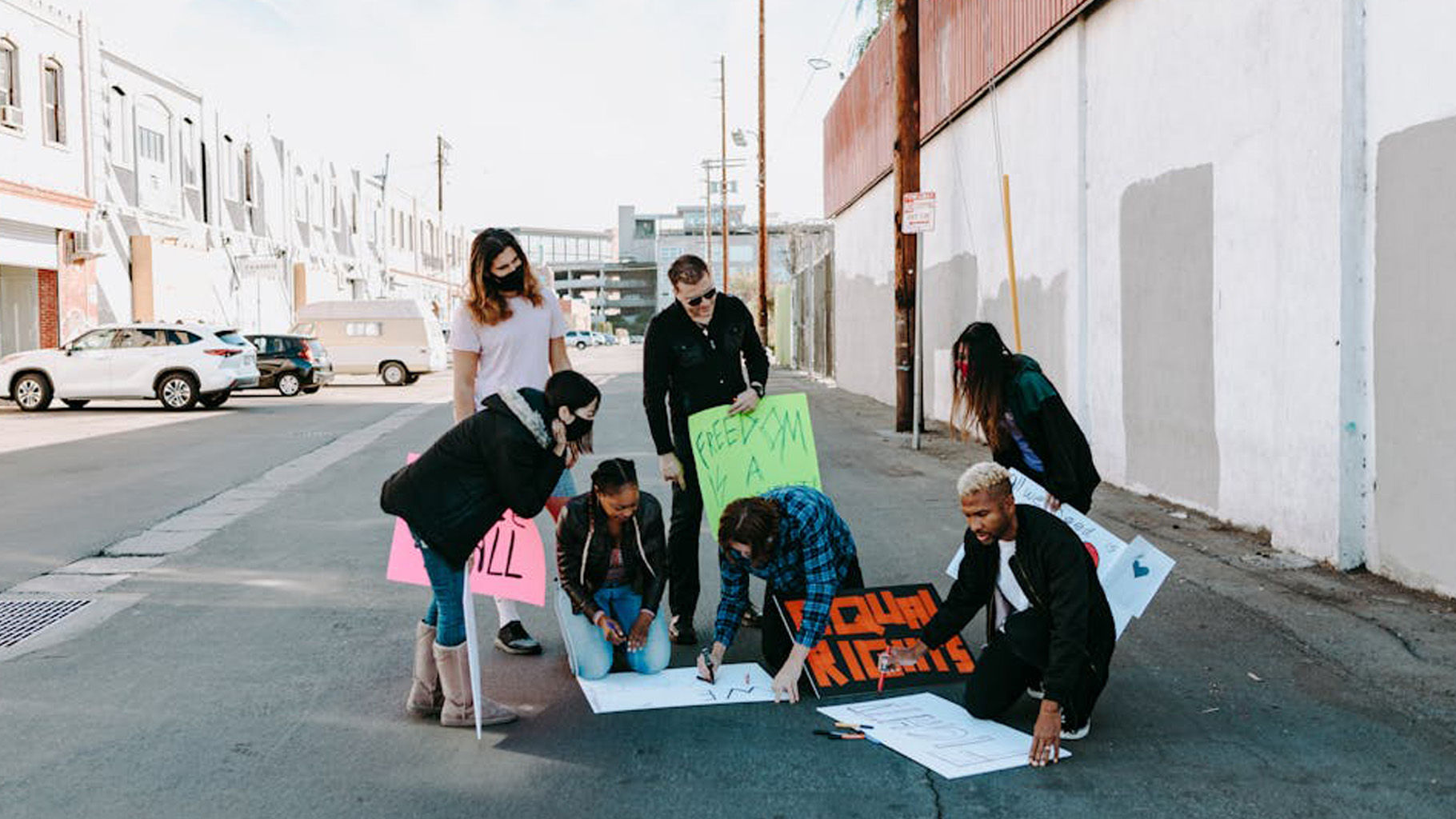
Every font begins with a vibe.
Maybe it’s the elegance of Parisian signage, the punch of 90s streetwear, the crisp edge of Scandinavian minimalism, or the dreamy loops of handwritten love letters. That first inspiration—emotional, visual, or historical—sets the tone.
At this stage, a designer asks:
What do I want people to feel when they see this font?
Because fonts aren’t just seen. They’re felt.
2. Purpose Comes First: Why Does This Font Exist?

Not all fonts are created equal.
Some are made for reading novels, some for shouting headlines, others to stand boldly on product packaging.
So before anything is drawn, a designer defines:
- The font’s purpose (body text? logo? UI interface?)
- Its personality (elegant, rebellious, serious, quirky?)
- Its scope (Does it need multilingual support? Special glyphs?)
This clarity keeps the design consistent and meaningful—down to the tiniest serif or curve.
3. Sketching the Soul: Letters Take Shape
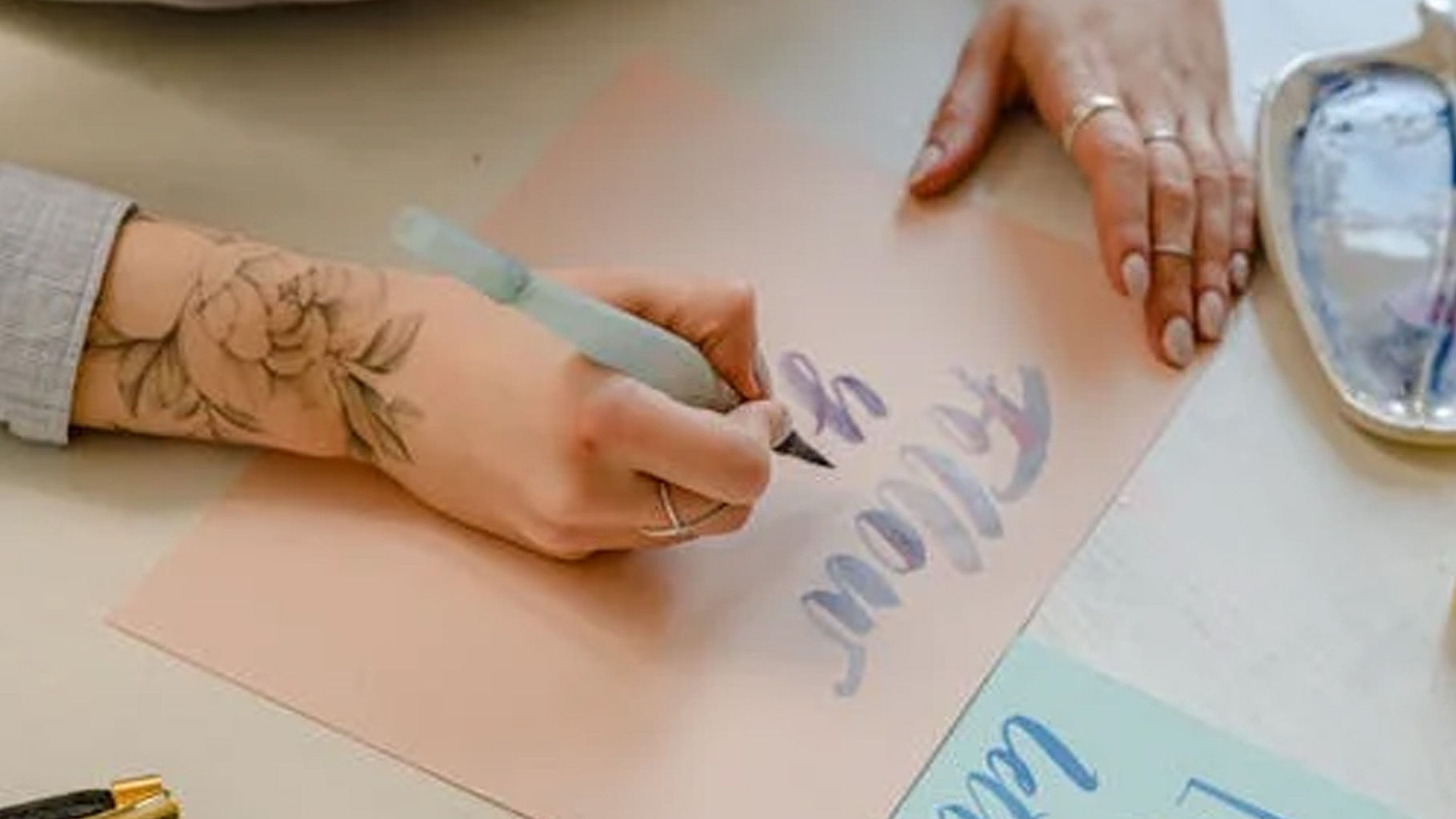
Now comes the magic.
The designer begins with a few core letters—often n, o, a, g, H, and R. These become the DNA of the entire font.
Some designers sketch by hand. Others start digitally. But this phase is like character design in animation: defining posture, attitude, and expression.
Should the terminals be soft or sharp? Will the curves dance or stay formal? Every choice communicates.
4. Building the World: From A to Z (and Beyond)
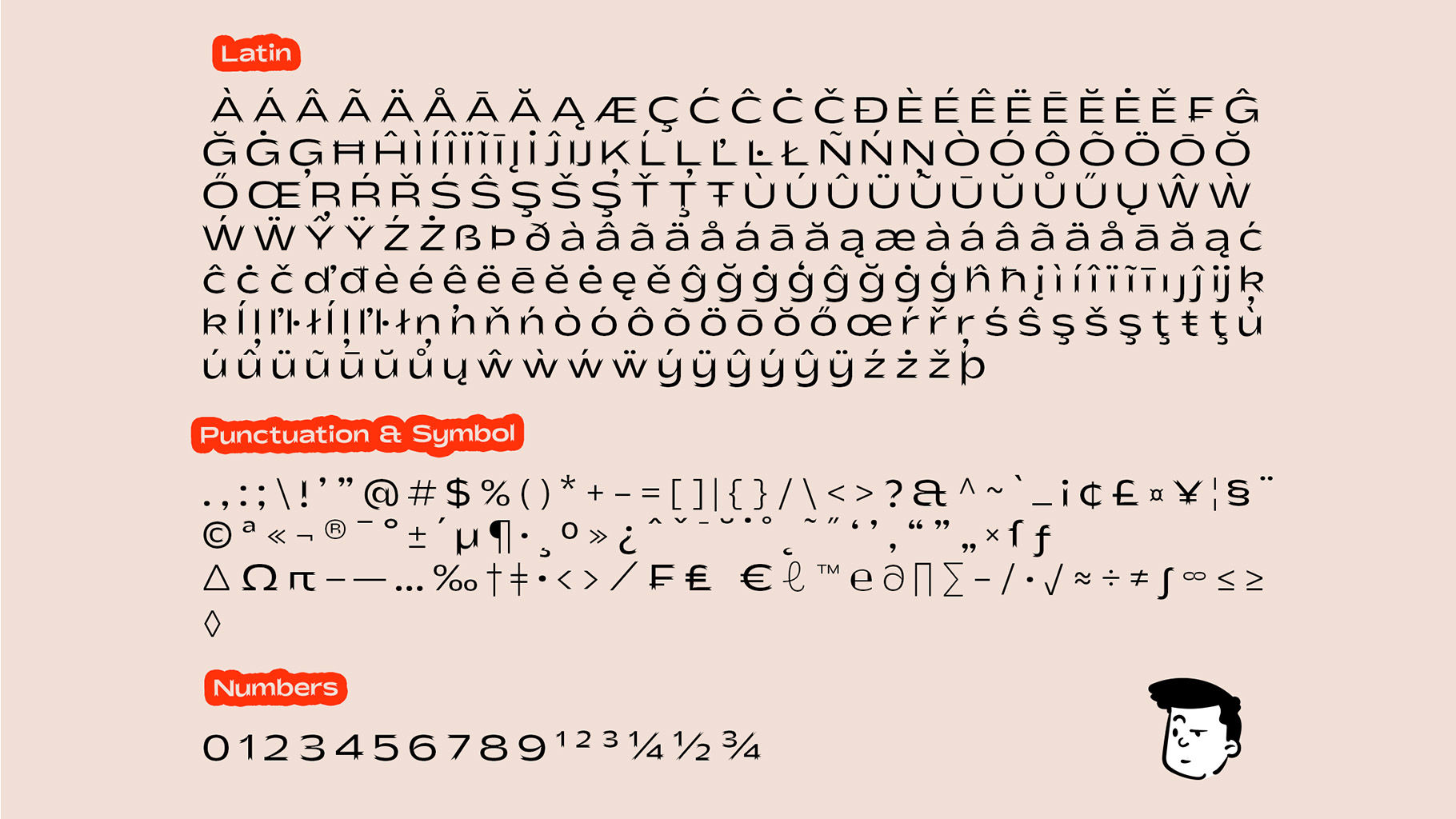
Once the style is set, the full character set is built:
Uppercase, lowercase, numbers, punctuation, accents, symbols—and sometimes even entire alternate glyph sets or swashes.
This is the part where obsession kicks in. Everything must feel harmonious. The spacing must breathe. The rhythm must flow.
And yes, this is where the infamous kerning begins. (Yes, we obsess over the space between T and o.)
5. Test, Break, Repeat
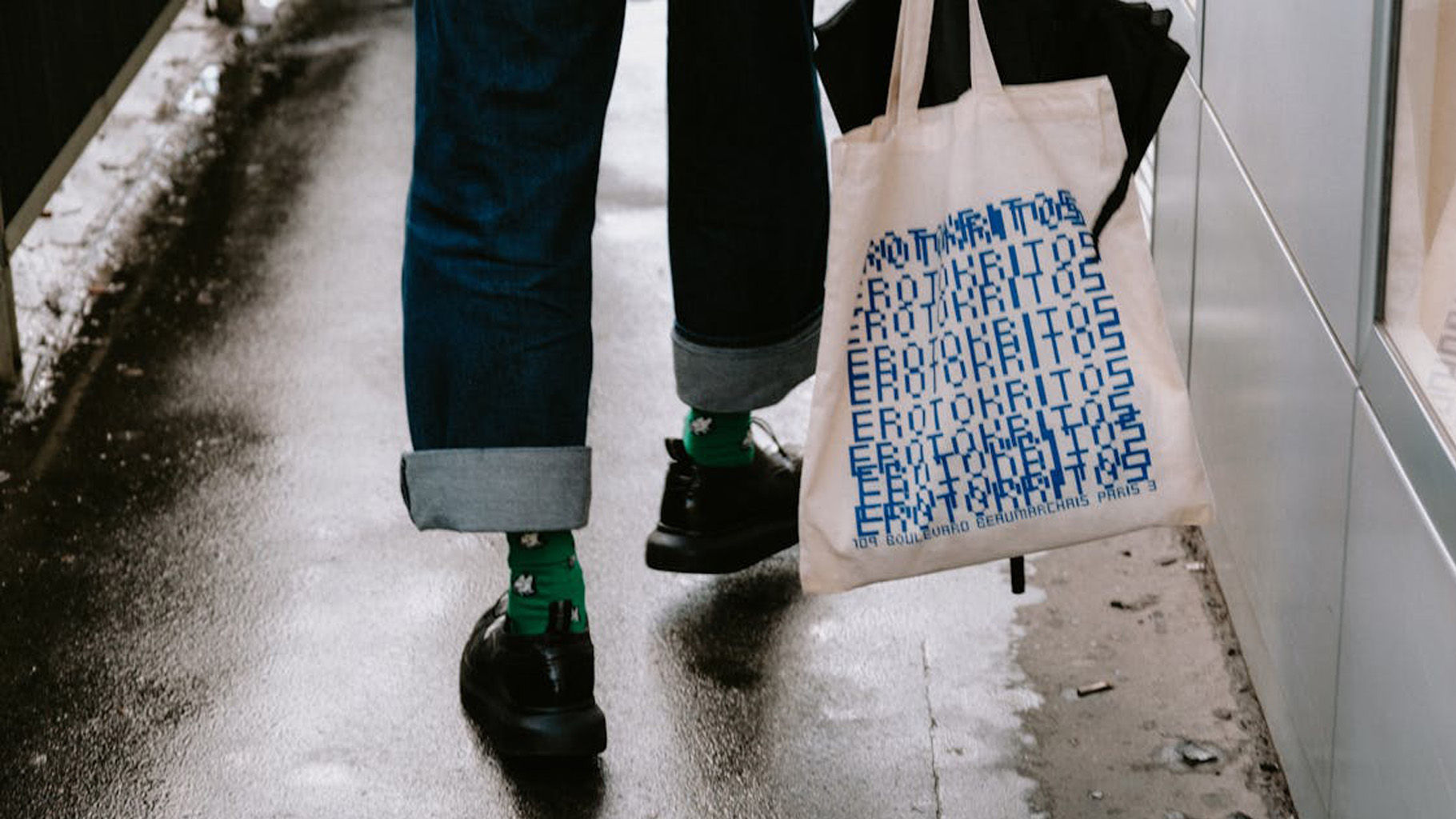
Here’s where the font gets battle-tested.
Designers print it out, use it in mockups, websites, apps, packaging—anywhere the font might live. They tweak. Refine. Obsess some more.
A font may look perfect in a design tool, but in the real world, flaws appear. So it’s back to the drawing board. Again and again.
6. Technical Wizardry: OpenType and Final Polish
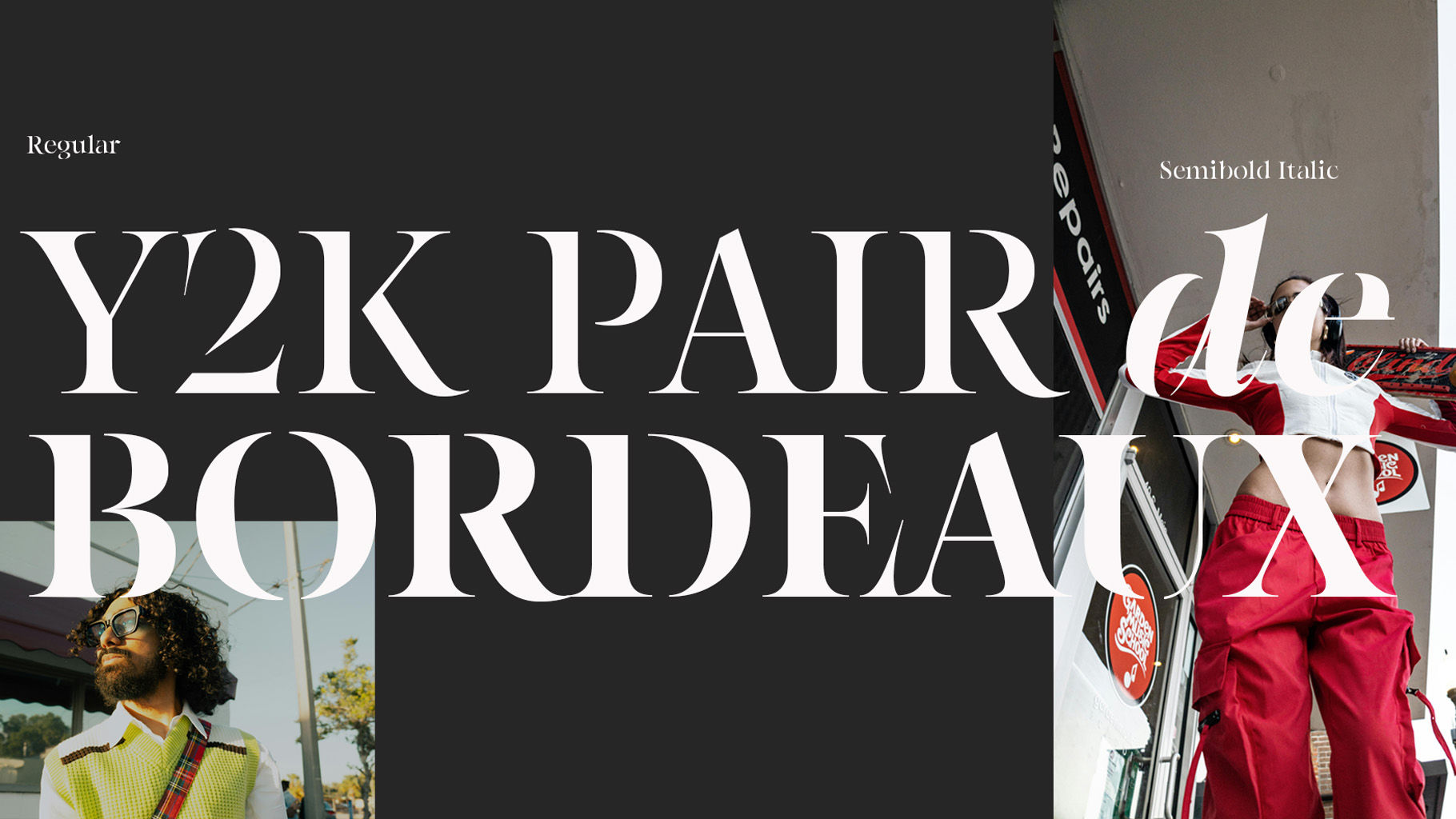
Now that it looks good, it needs to work good.
This phase involves:
- Building OpenType features (ligatures, stylistic alternates, contextual sets)
- Hinting for better screen rendering
- Naming conventions and proper metadata
- Exporting into TTF, OTF, and WOFF for wide usability
Yes, it’s nerdy. Yes, it’s critical.
7. Packaging the Personality
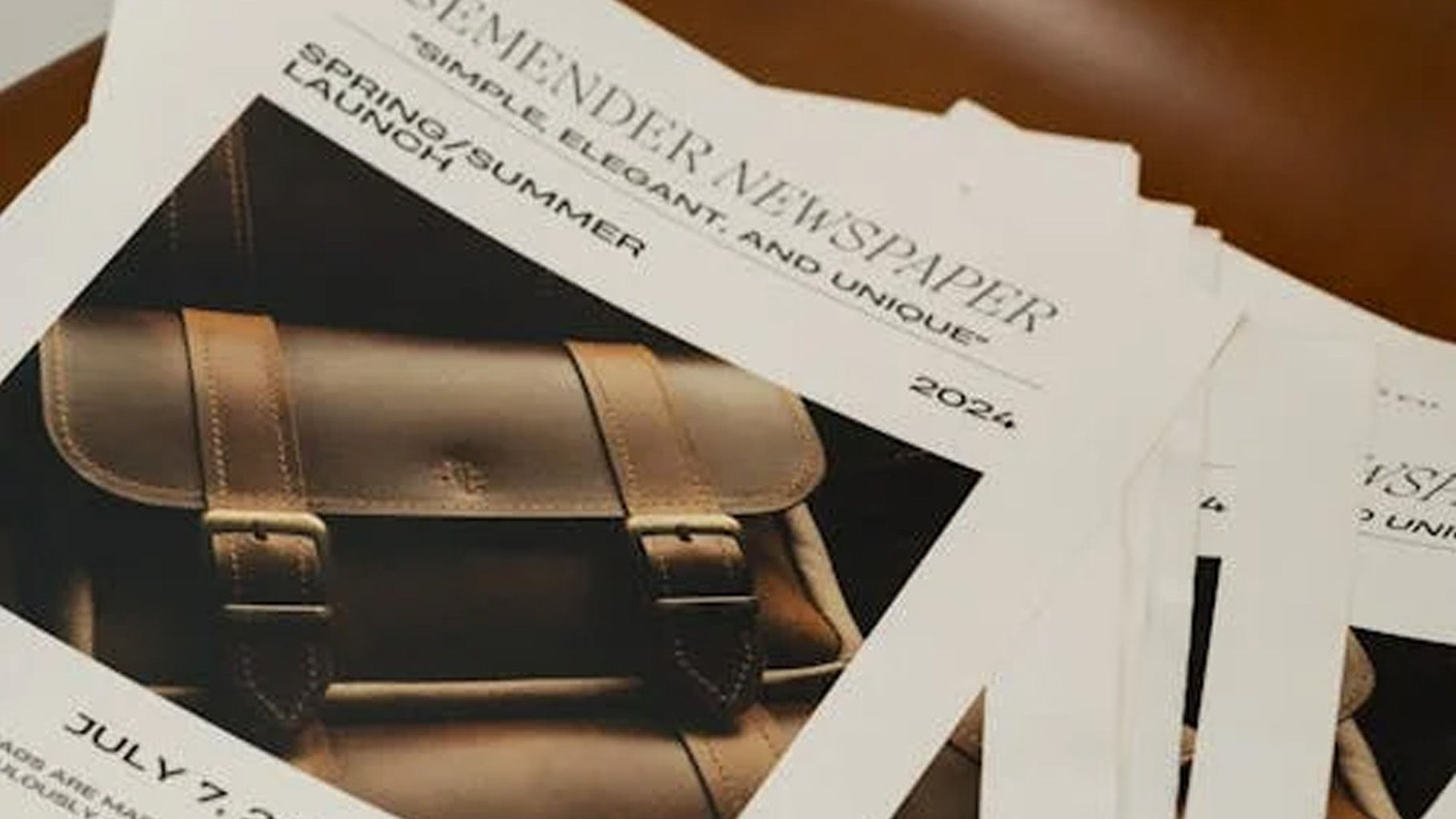
A font needs more than just glyphs—it needs a voice, a look, a presentation.
Designers craft:
- Type specimens
- Promotional visuals
- Usage demos
- Emotional storytelling around why the font matters
It’s where the font stops being a file and becomes a brand.
In the End: A Typeface Is a Silent Messenger
Fonts are everywhere—but rarely noticed unless they’re wrong.
That’s the beauty of type design. It’s a silent craft that shapes everything from brand identities to bedtime stories, road signs to revolution posters.
Behind each typeface is someone who cared deeply about the way a lowercase “g” should feel.
So next time you admire a beautiful font, remember:
You’re not just looking at letters. You’re seeing a designer’s vision—meticulously crafted, tested, and released to quietly shape the way we read the world.