
Are Alternate Fonts Essential in Modern Typography?
Are Alternate Fonts Essential in Modern Typography?
In today’s design landscape, typography is no longer just about legibility—it’s also about personality and expression. One of the key features that sets high-quality typefaces apart from standard ones is the presence of alternate characters, or simply alternates. But how important are they really? Are they essential, or just decorative flourishes? Let’s explore the role of alternate fonts in modern typography and when they truly make a difference.
What Are Alternate Fonts?
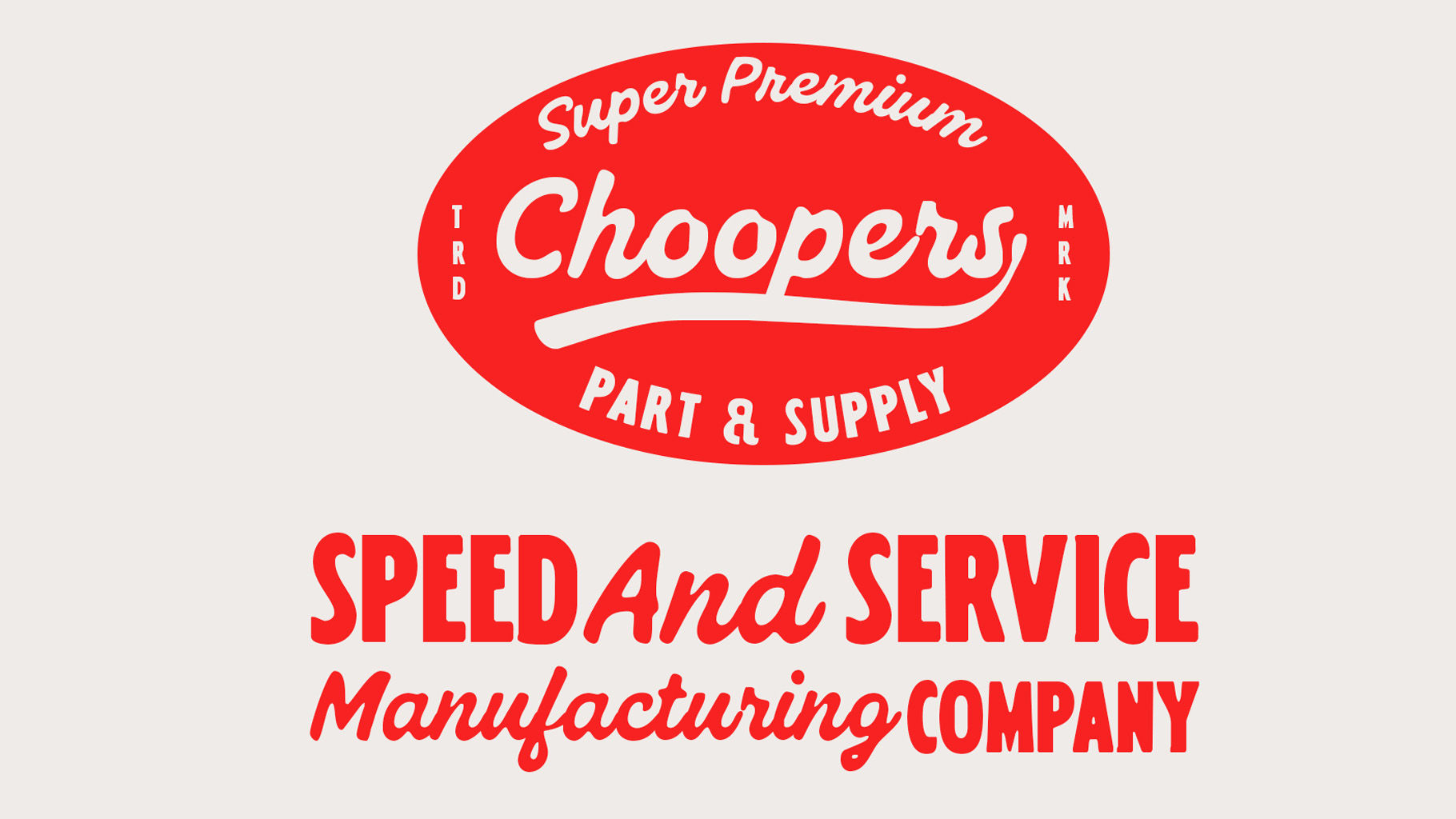
Alternate fonts refer to additional versions of standard letterforms included within a typeface. These alternates can vary in shape, style, or flair, and are often used to add creative variation to a design. They’re especially common in display fonts, script fonts, and branding-focused typefaces.
Types of alternates include:
- Stylistic Alternates
Unique variations of characters designed to provide stylistic flexibility, often used to create a specific mood or visual identity. - Swashes
Decorative flourishes attached to letters, commonly used at the beginning or end of words for a more elegant or dramatic look. - Ligatures
Custom glyphs that combine two or more letters into a single shape (e.g., fi, th, st), used to improve aesthetics or readability. - Contextual Alternates
Characters that change shape depending on their position in a word or phrase—helping to create a more natural flow in script or handwritten fonts.
Why Do Alternate Fonts Matter?
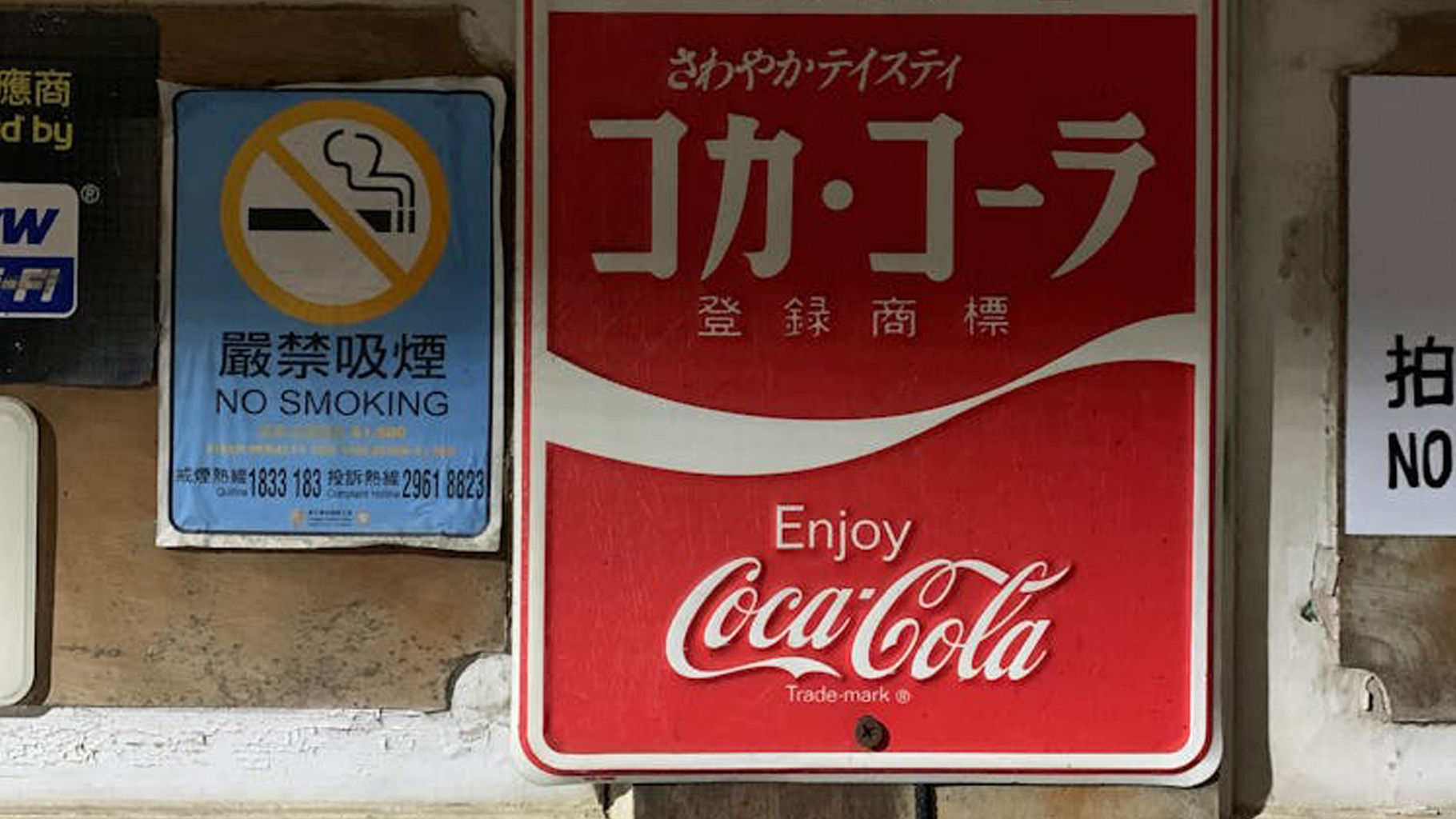
1. Enhancing Visual Appeal
Alternates allow designers to break monotony by adding variation and personality. Whether it’s for logos, packaging, or headlines, alternate glyphs help transform generic text into a distinctive visual experience.
2. Strengthening Brand Identity
For brand design, every curve and contour counts. Alternate characters offer the flexibility to fine-tune type in ways that align closely with a brand’s tone—whether playful, elegant, edgy, or minimal.
3. Supporting Expressive Typography
In expressive design work, such as wedding invitations, fashion campaigns, or artistic publications, alternates provide typographic richness that communicates emotion and style beyond the basic alphabet.
When Are Alternates Not Necessary?
While alternates are valuable in creative design, they’re not always essential:
- For Body Text or Long-form Content
In books, articles, or user interfaces, legibility takes priority. Decorative alternates can actually hinder readability in such contexts. - When Used by Non-Designers
Casual users or beginners may not know how to access or apply alternates, especially outside of professional software. If the target audience is general consumers, too many alternates might go unused.
Conclusion: Are They Worth Including?
Yes—if your typeface is intended for expressive, creative, or branding purposes.
Alternates provide added value, creative freedom, and aesthetic diversity. They give designers more control, and can turn a font from “just another typeface” into a versatile design tool.
No—if the font is strictly for functional use.
For system fonts, UI fonts, or long-form reading material, alternates are not a priority and might even be a distraction.
Final Tip:
If you’re a type designer, consider the context of your audience. Add alternates where they matter—and make them accessible, with clear instructions or character maps. A well-balanced font combines function and flair.