
Designing Fonts Without Borders: A Complete Guide to Creating Multilingual & Multi-Script Typefaces
Designing Fonts Without Borders: A Complete Guide to Creating Multilingual & Multi-Script Typefaces
In today’s global design landscape, typography plays a crucial role in cross-cultural communication. Brands, publications, and digital platforms are no longer confined to a single language or region—they must speak to diverse audiences across continents. That’s where multilingual or multi-script fonts come into play. But designing a typeface that works flawlessly across Latin, Cyrillic, Arabic, Devanagari, Thai, or Han characters isn’t just about expanding glyph sets—it’s about understanding visual harmony, cultural nuance, and technical consistency.
If you’re a type designer looking to create a font that transcends language barriers, this comprehensive guide will walk you through the core principles, challenges, and solutions of making a multilingual or multi-script font.
1. Understand What “Multilingual” and “Multi-Script” Truly Mean
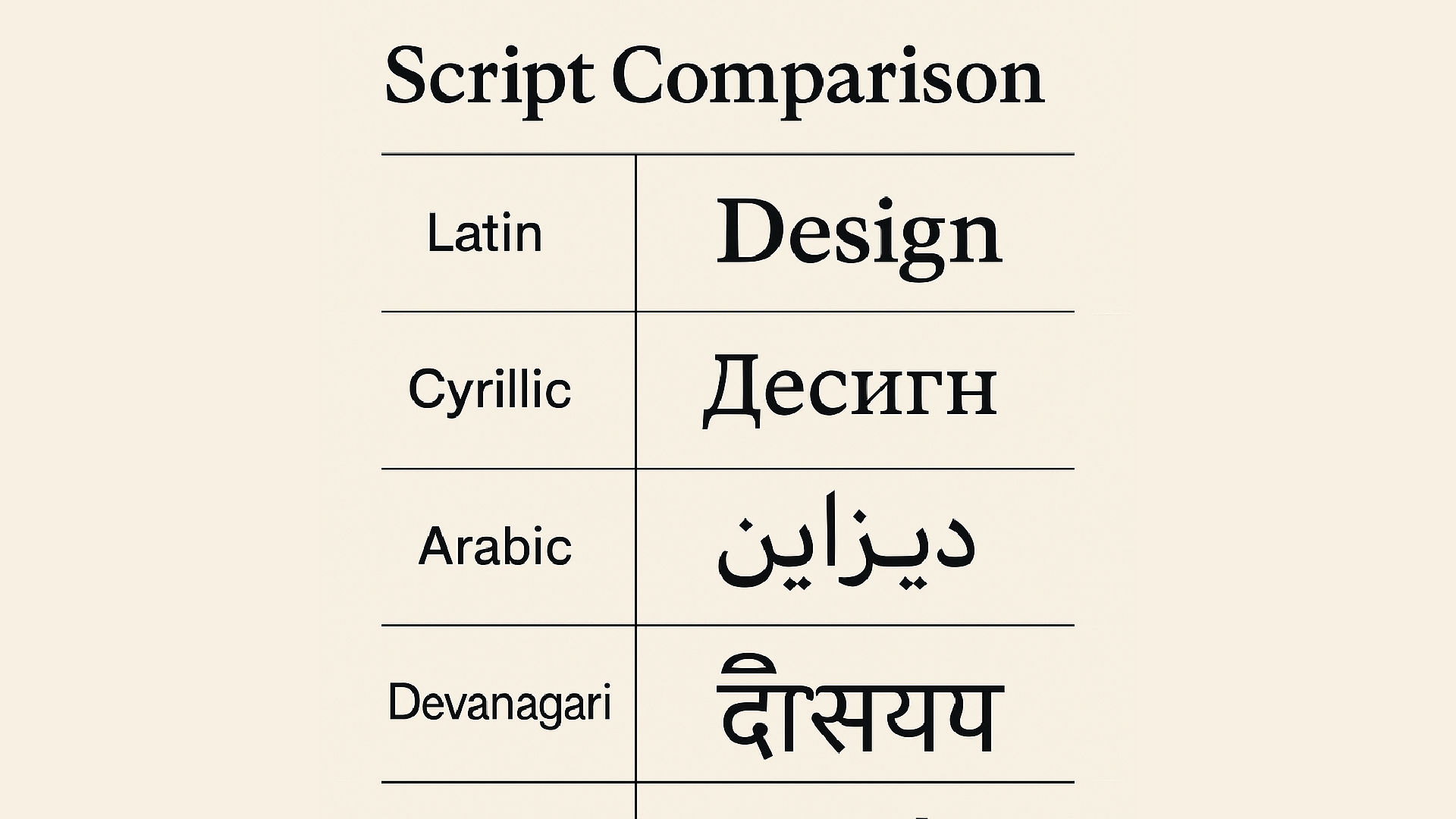
Before jumping into glyphs and masters, let’s clarify definitions:
- Multilingual font: A font that supports multiple languages, typically within the same script. For example, a Latin-based font supporting English, French, German, Turkish, and Vietnamese.
- Multi-script font: A font that includes glyphs from entirely different writing systems, such as Latin + Cyrillic, Latin + Arabic, or even Latin + Chinese.
Both terms require you to think globally—linguistically, culturally, and visually.
2. Start with Language and Script Planning
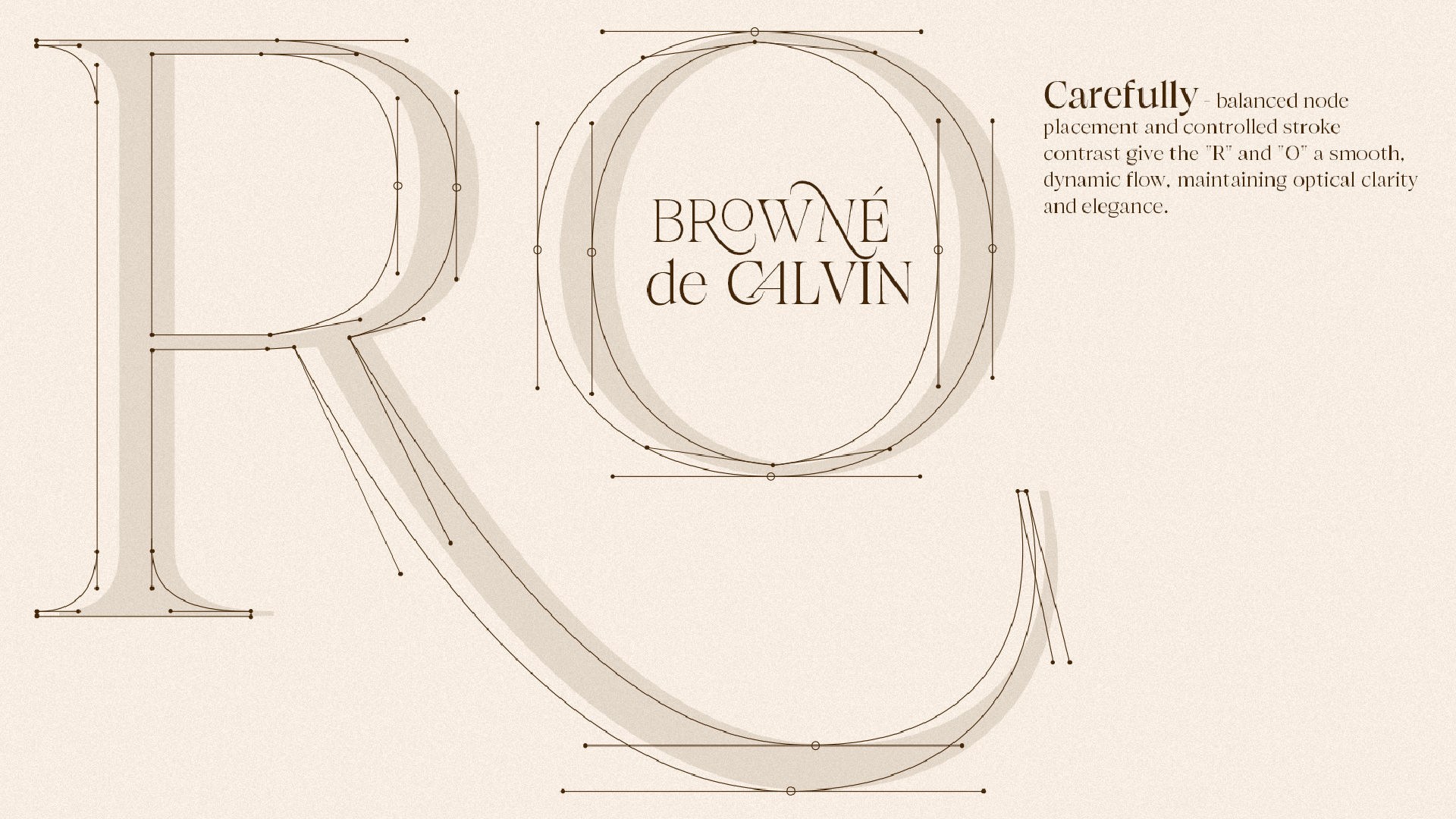
Designing for multiple scripts begins with research and planning.
- Define your target languages. Will your font be used in Europe only, or should it work in Asia and the Middle East too?
- Understand the required scripts. For example, to support Hindi, you need Devanagari; for Russian, Cyrillic; for Japanese, you may need Latin, Kana, and Kanji.
Tip: Refer to Unicode charts and language support databases like Hyperglot, Unicode.org, or CLDR to determine which glyphs are necessary for each language or script.
3. Master Cross-Script Aesthetic Harmony
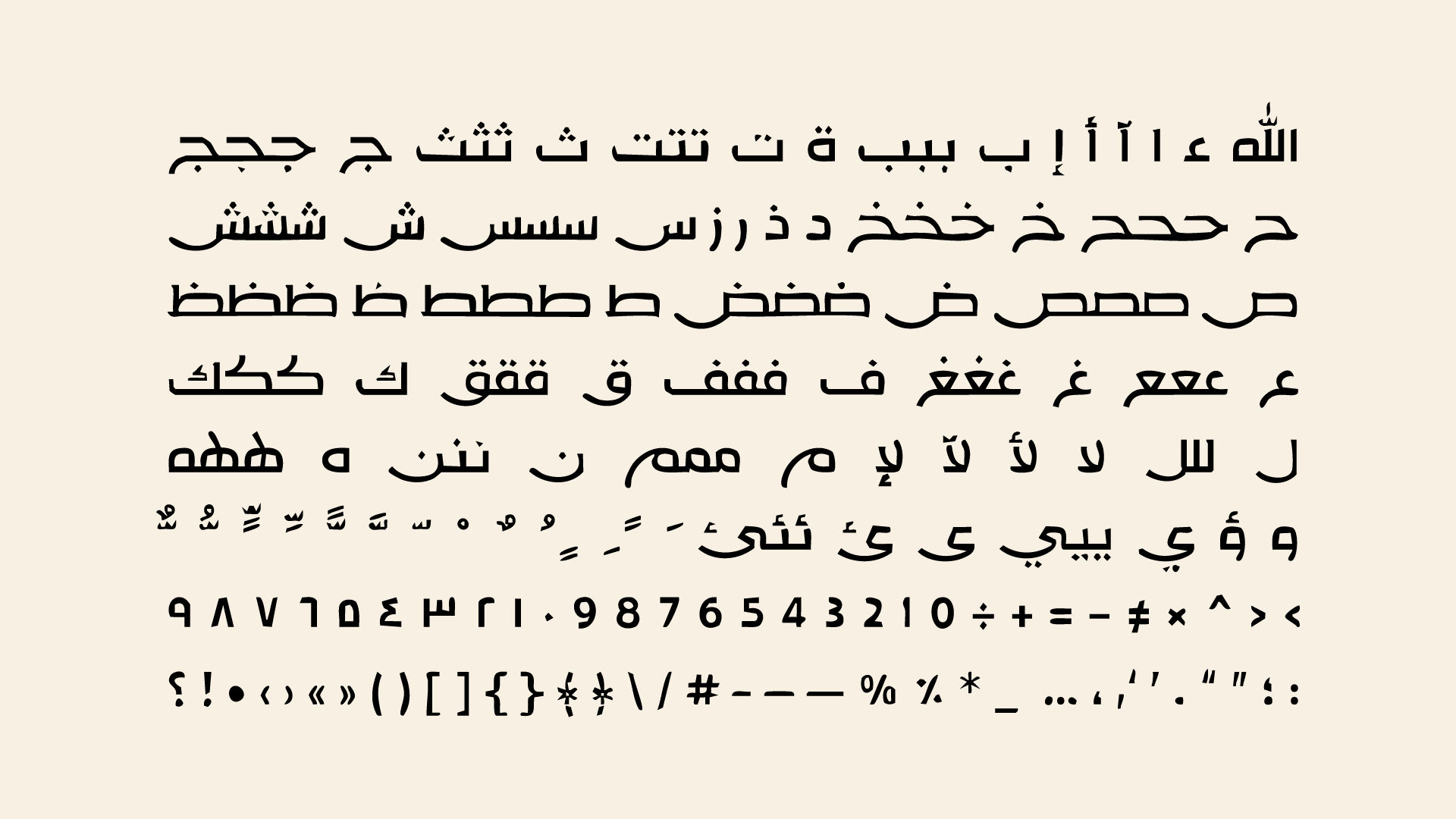
The biggest challenge in multi-script design is visual consistency.
- Match the personality: A serif Latin font with sharp wedge serifs needs a similarly expressive design in Cyrillic or Arabic.
- Respect script traditions: Don’t force Latin aesthetics into non-Latin scripts. Each script has evolved within its own visual and cultural context.
- Baseline and proportion alignment: Ensure that x-height, cap height, and descenders translate naturally across scripts without distortion.
Pro Tip: Study successful multi-script font families like Noto, Skolar, or TPTQ Arabic to see how harmony is achieved.
4. Hire or Collaborate with Native Designers
Even the most talented Latin script designers can unintentionally misrepresent a script they don’t read or write. That’s why collaboration is key.
- Partner with native type designers or calligraphers.
- Get feedback from language experts on legibility and tone.
- Test your font in real-world settings using native texts.
This step is critical for complex scripts like Arabic, Hebrew, or Thai, where reading direction, diacritic positioning, and ligatures are essential to readability.
5. Expand Your Glyph Set the Smart Way
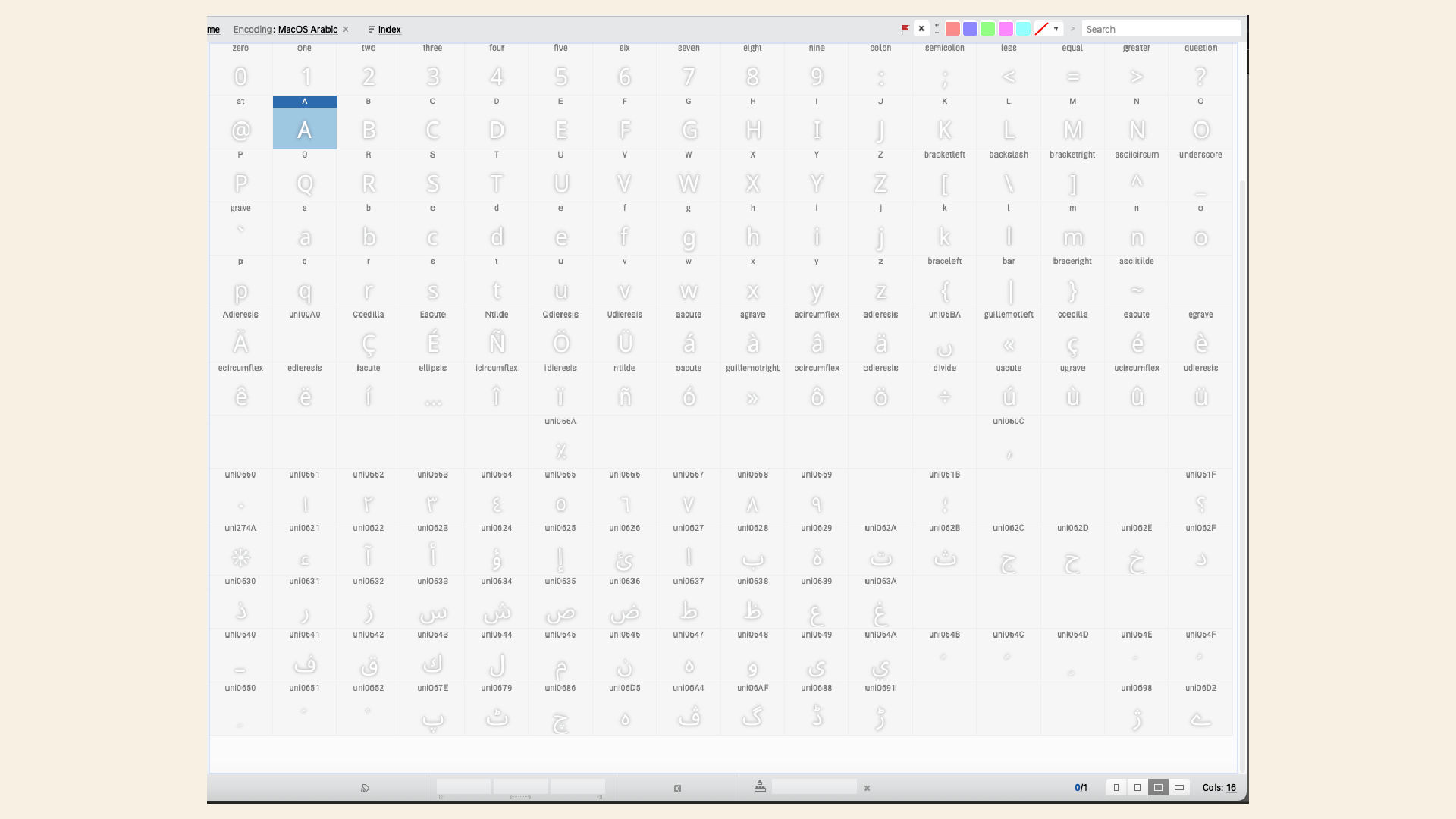
Here’s a sample breakdown of what you might include in a multilingual/multi-script font:
- Latin Extended-A and B for full European coverage
- Vietnamese-specific diacritics
- Cyrillic Basic and Extended for Slavic and Central Asian languages
- Greek, Arabic, Devanagari, Thai, Hangul, etc., depending on your scope
Use tools like FontLab, Glyphs, or RoboFont to manage these extended character sets efficiently.
6. Tackle Technical Complexity
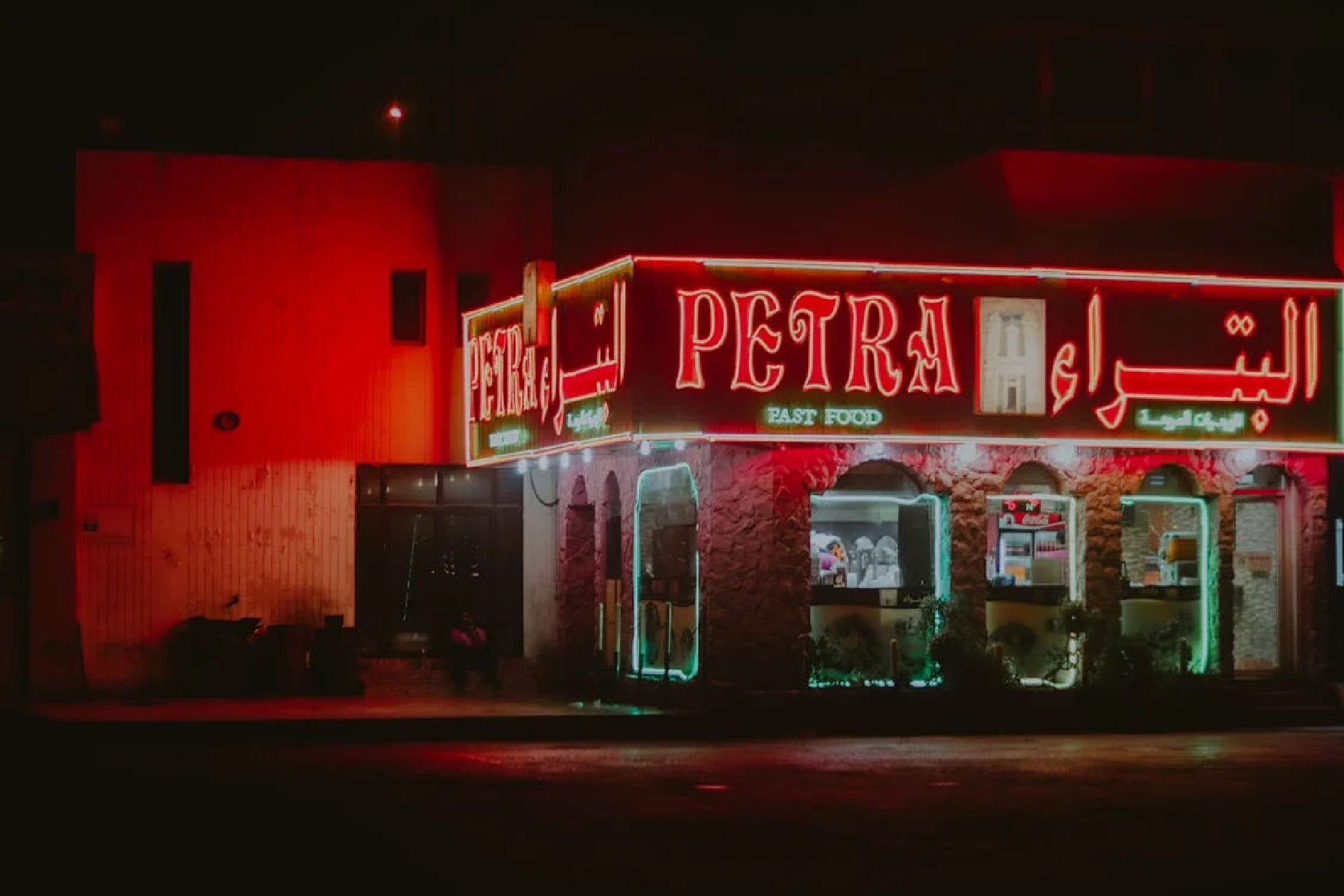
Don’t underestimate the technical engineering behind multi-script fonts:
- Use OpenType features for contextual alternates, ligatures, and mark positioning.
- Ensure Unicode mapping is accurate for each glyph.
- Pay close attention to kerning, diacritic anchoring, and script-specific behaviors (like right-to-left rendering in Arabic or Hebrew).
Variable fonts can also be multilingual, but require additional testing across scripts to maintain quality across axes (weight, width, slant).
7. Testing, Localization, and Iteration
Once your font is ready, test it in:
- Web environments
- Print layouts
- UI/UX contexts
- Multilingual paragraphs
Run test sets in each script, in both body text and display sizes. Look out for issues like broken ligatures, incorrect alignment, or inconsistent rhythm.
Also, consult with local users or beta testers. Their feedback is invaluable and can highlight cultural missteps or legibility issues that are easy to miss.
8. Documentation and Marketing
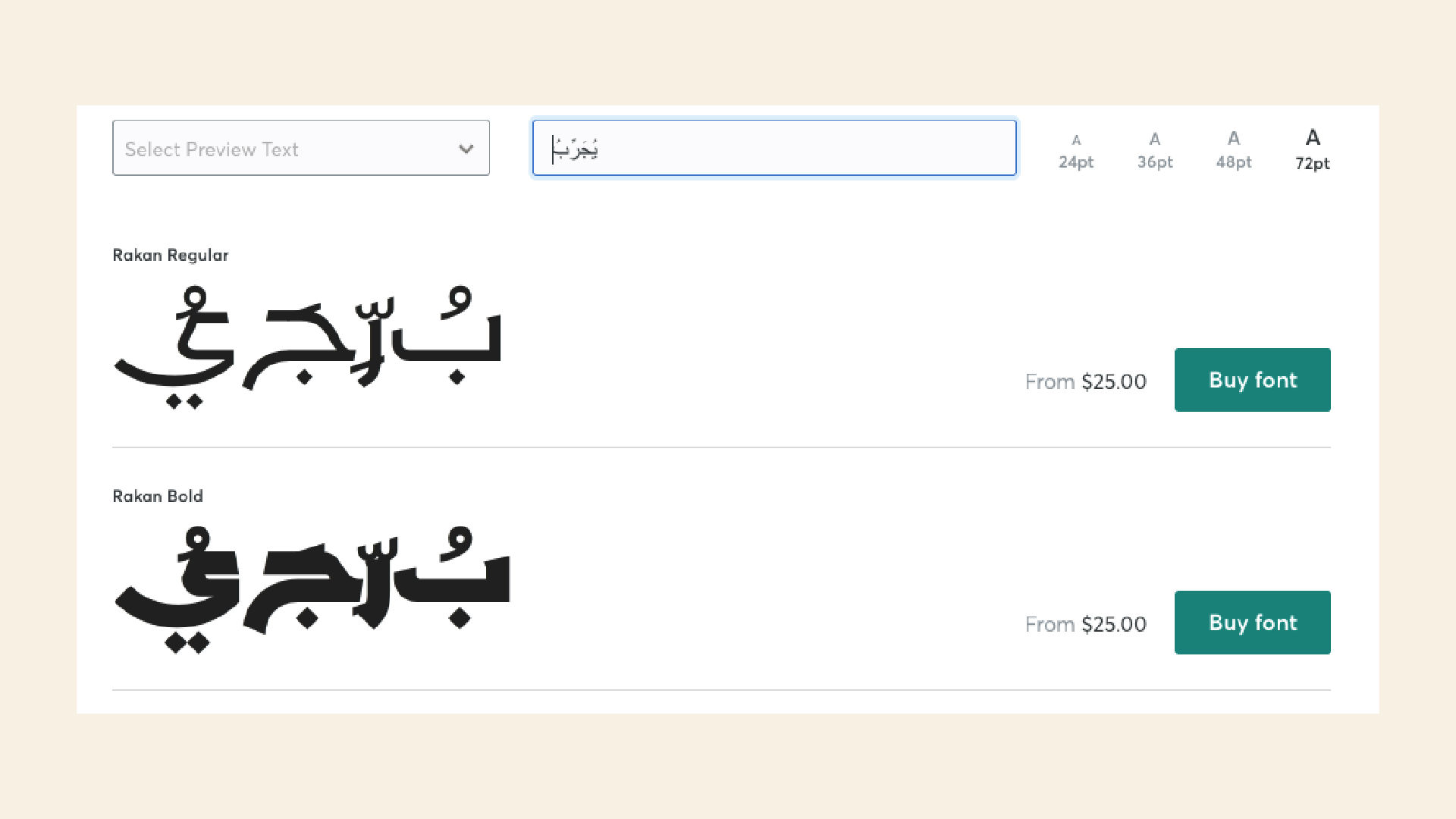
When publishing your font:
- Clearly list the languages and scripts supported.
- Showcase multilingual text samples in your visuals.
- Provide PDFs or specimen booklets that show the font in action across multiple writing systems.
This not only helps designers choose your font confidently, but also improves your reputation as a responsible and culturally-aware type designer.
Conclusion
Creating a multilingual or multi-script font isn’t just about drawing more letters—it’s about bridging worlds. As a designer, you are responsible for crafting tools that facilitate understanding across cultures, geographies, and languages.
With careful research, collaboration, technical precision, and respect for each script’s heritage, your typeface can become a powerful tool of global communication—one glyph at a time.