
Stand Out with Style: How to Build a Stunning Font Portfolio on Behance & Your Website
Stand Out with Style: How to Build a Stunning Font Portfolio on Behance & Your Website
As a font designer, your portfolio is your stage. Whether you’re an independent type foundry or an individual designer, presenting your fonts professionally can be the difference between being overlooked or landing your next big licensing deal. Two of the most powerful platforms to showcase your typefaces are Behance and your personal website. But how do you make your work shine in a sea of talent?
In this guide, we’ll walk through how to create a compelling, conversion-focused portfolio that not only looks good but tells a story.
1. Define Your Visual Identity
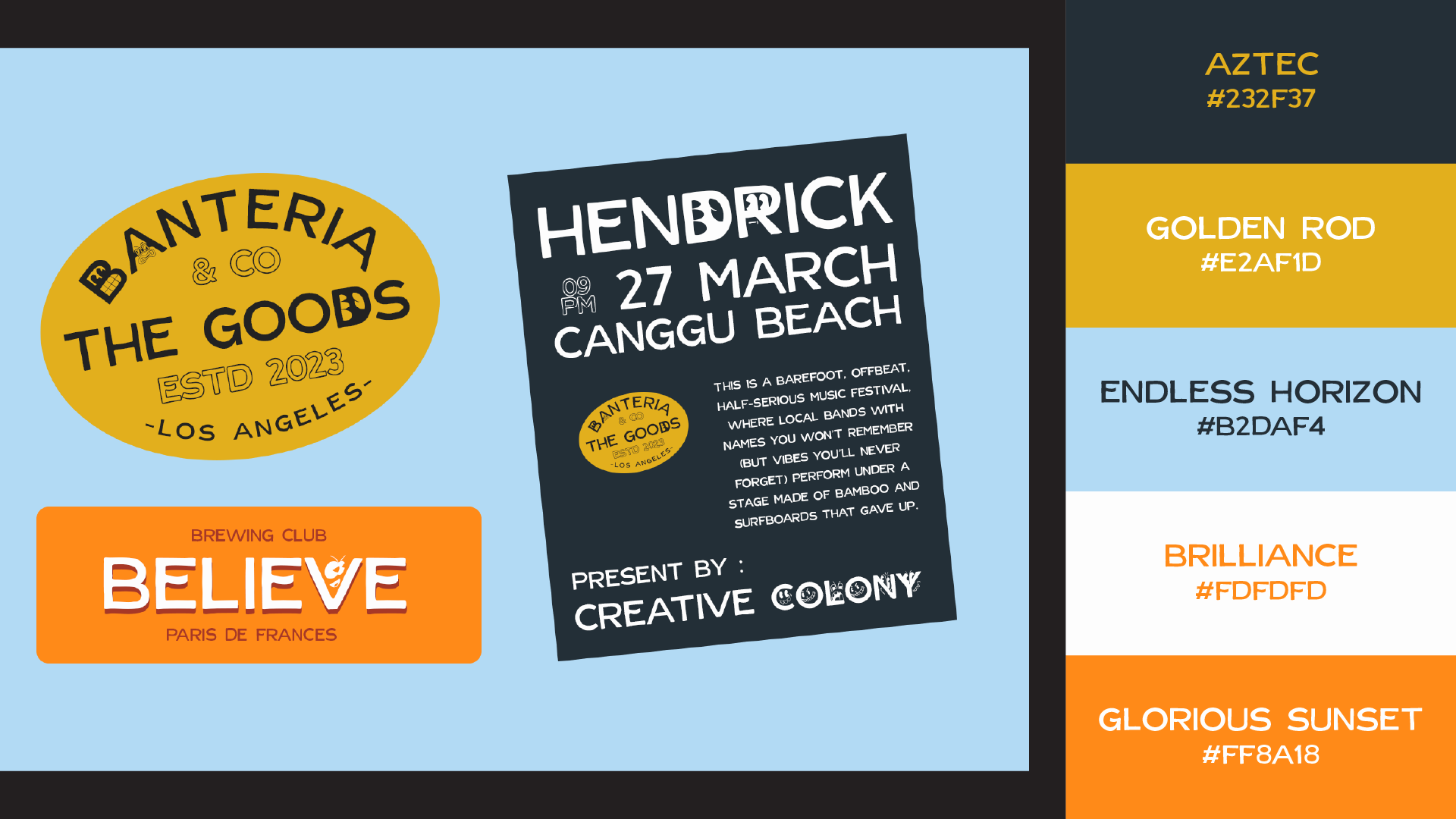
Before uploading anything, align your portfolio with your brand. Choose consistent:
- Color palettes
- Typography
- Tone of voice in writing
- Logo and personal branding
Your portfolio should look like it was made by someone who designs type. Keep it visually sharp, but not distracting. The goal: let your fonts take the spotlight.
2. Structure Your Behance Projects Effectively

A typical high-performing Behance font project follows this structure:
Project Cover
Make a bold, attention-grabbing thumbnail. Use the font name with dramatic contrast and whitespace. Think of it as a book cover.
Introduction
Briefly introduce the font: what is it, what inspired it, and what makes it unique.
Typeface Presentation
Include:
- Character set (A–Z, numbers, punctuation)
- Alternates, ligatures, stylistic sets
- Weights & styles
- OpenType features
- Multilingual support
Use clear mockups for real-world use: branding, packaging, posters, web UI, social media, etc.
Motion or Interactive Previews (Optional)
Animated text or scrolling web previews can add life.
Call to Action
Add clear links to buy/download the font, or contact you for licensing.
3. Design with Mockups That Speak to Your Audience

Your mockups should feel contextual and intentional, not generic. Tailor them to the market you want to attract:
- Feminine branding fonts? Use lifestyle, cosmetic packaging, or editorial mockups.
- Retro sans-serifs? Use album covers, signage, and nostalgic poster designs.
- Experimental display fonts? Go bold with fashion, music, or magazine layouts.
Use tools like Adobe Photoshop, Figma, or Canva with mockup generators like Placeit or Artboard Studio.
4. Showcase Testimonials or Brand Usage (if any)

If a client or brand has used your typeface, showcase it proudly. Real-world application boosts credibility.
Add quotes or screenshots from clients, or links to Instagram posts using your font.
5. Keep Your Website Focused and Functional
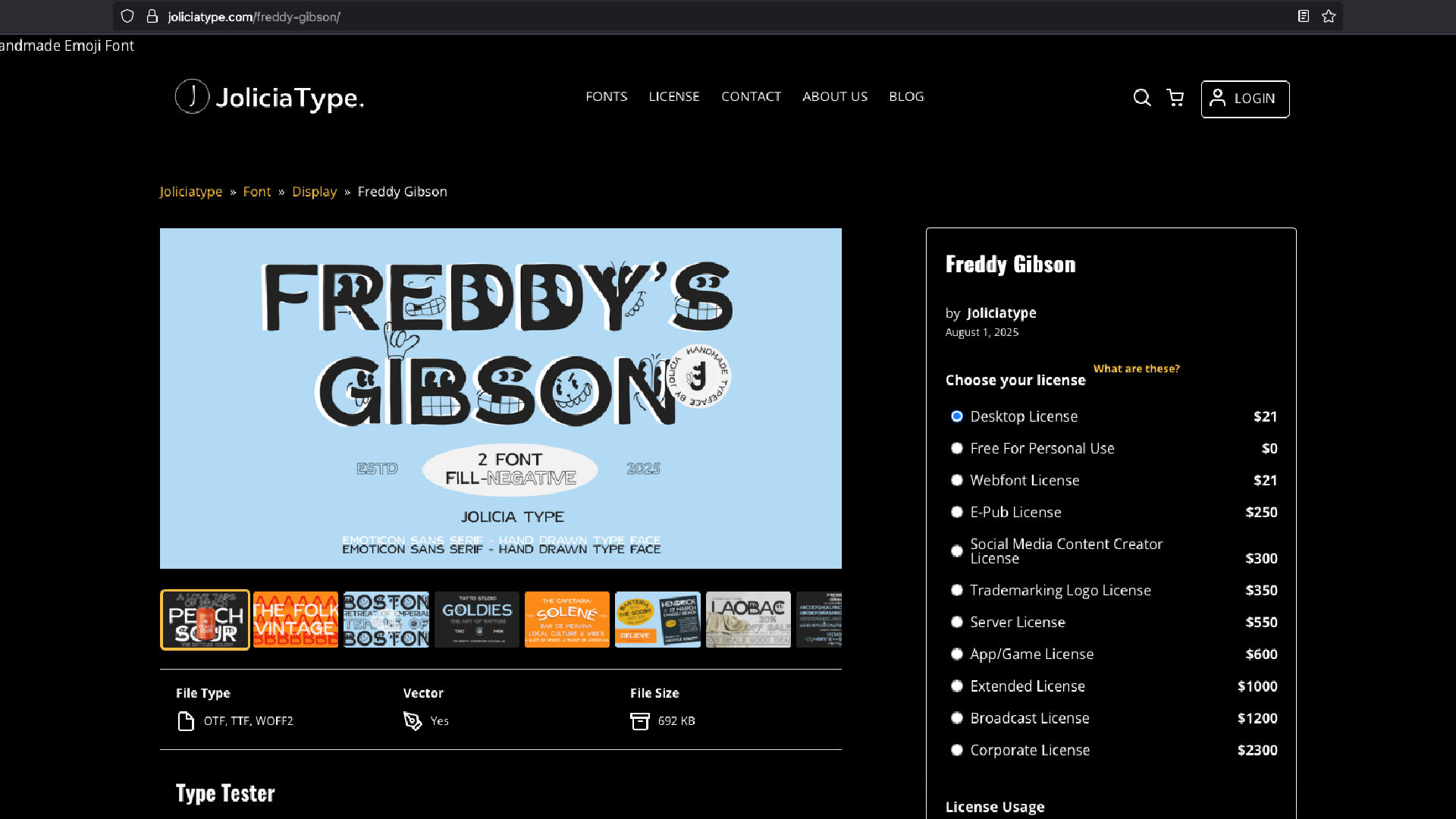
Your website should:
- Load fast
- Be mobile-friendly
- Have clear font previews
- Offer licensing and purchase info
- Provide downloadable PDF specimens
- Include a contact form or email
Tools like Webflow, Squarespace, Framer, or WordPress work great. Use your domain name for branding consistency.
6. Include Behind-the-Scenes or Process Work

Share sketches, naming ideas, construction grids, or alternate explorations. This builds connection and educates your audience on the craft of type design.
7. Keep Updating

A great portfolio evolves. Update it with:
- New releases
- Font updates (e.g., added language support)
- Collaborations or commissions
- Seasonal bundles or promotions
Conclusion: Make It Memorable
Your fonts may be beautiful, but if no one sees them, they won’t make an impact. Treat your portfolio like your product. Design it to tell a compelling story, back it up with thoughtful visuals, and lead viewers to action. Whether you’re aiming to license fonts, gain followers, or get commissioned work—presentation is your secret weapon.