
Why Every Graphic Designer Should Understand Typography Basics
Why Every Graphic Designer Should Understand Typography Basics

Typography is more than just choosing a font. It’s the art and technique of arranging type to make written language legible, readable, and visually appealing. For graphic designers, understanding typography isn’t optional — it’s essential. Typography affects every design decision you make, from branding to editorial layouts, websites, packaging, and beyond. In this article, we’ll dive into why typography fundamentals are crucial for every designer who wants to create effective and professional work.
What is Typography?
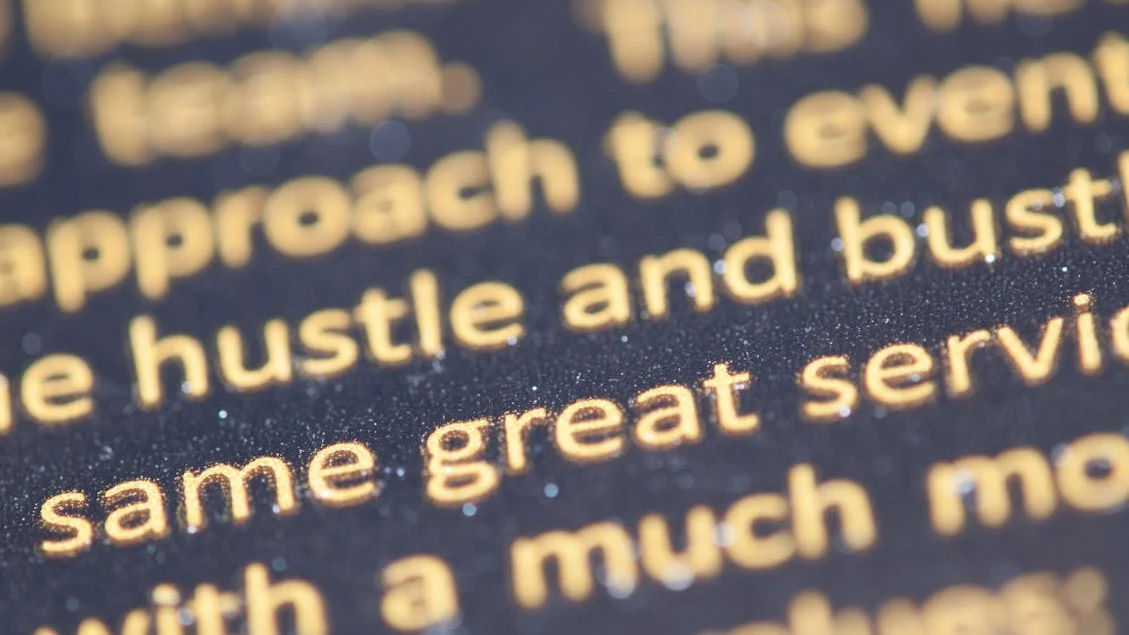
Typography refers to the style, arrangement, and appearance of text. It encompasses:
- Font choice (serif, sans-serif, script, decorative)
- Size
- Line spacing (leading)
- Letter spacing (tracking)
- Word spacing
- Hierarchy and structure
Good typography guides readers through content, enhances user experience, and strengthens the overall message.

Why Typography Basics Matter for Graphic Designers
1. Enhances Communication
Design is about communicating ideas visually. Poor typography choices can confuse or mislead viewers. Great typography clarifies the message, evokes emotions, and guides the eye where it needs to go.
2. Creates Professionalism
Even a well-conceptualized design can look amateurish with poor type treatment. Mastering typography basics ensures your work looks polished and credible.
3. Builds Stronger Branding
Typography is a major component of brand identity. Think about iconic brands like Google, Coca-Cola, and Vogue — their typography is instantly recognizable. Designers must know how to select or create type that fits a brand’s voice and values.
4. Improves Readability and Accessibility
Typography affects how easily readers can consume information. Correct line lengths, spacing, and type pairings make content more readable, especially across different devices and screen sizes.
5. Supports Emotional Connection
Different fonts and styles evoke different feelings. Understanding how to leverage typography can make a design feel energetic, serious, playful, sophisticated, or rebellious.
Core Typography Principles Every Designer Should Know
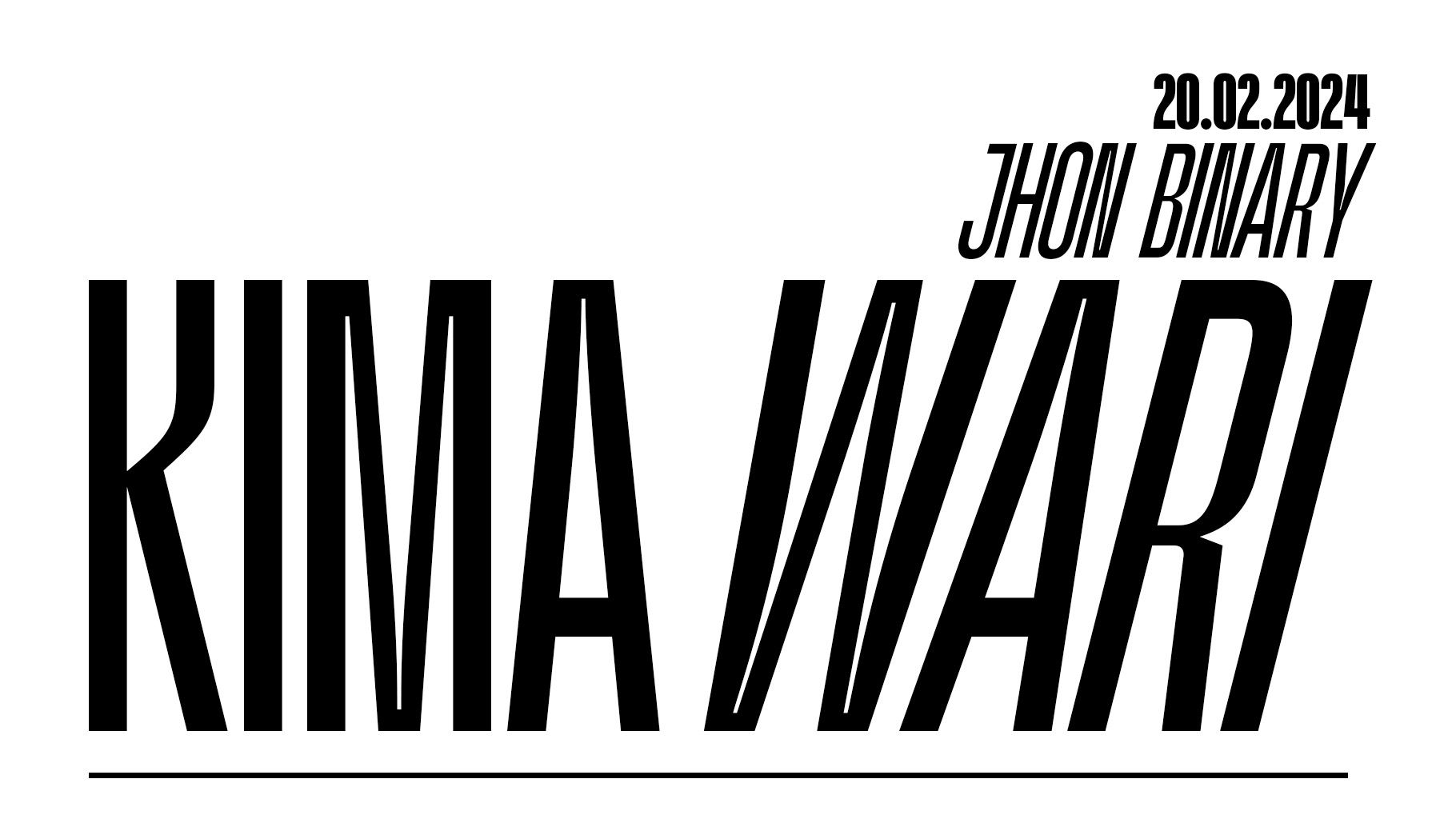
Hierarchy
Visual hierarchy guides the viewer through the content. Headlines, subheadings, body text, and captions should each have distinct visual treatment to signal importance.
Alignment
Consistent alignment creates structure and order. Choose from left, right, centered, or justified alignment depending on your design goals.
Spacing
Whitespace around text elements gives breathing room and improves clarity. Proper leading, tracking, and kerning prevent text from feeling cramped or disconnected.
Contrast
Using contrasting fonts, weights, sizes, and colors enhances readability and draws attention to key points.
Consistency
Consistent typography strengthens the cohesiveness of a design. This includes font choices, sizing scales, and spacing rules.
Real-World Examples
Magazine Layouts
Great editorial design uses typography to create rhythm and flow. The choice of headline font versus body copy font can dramatically affect a reader’s engagement with the story.
Branding Packages
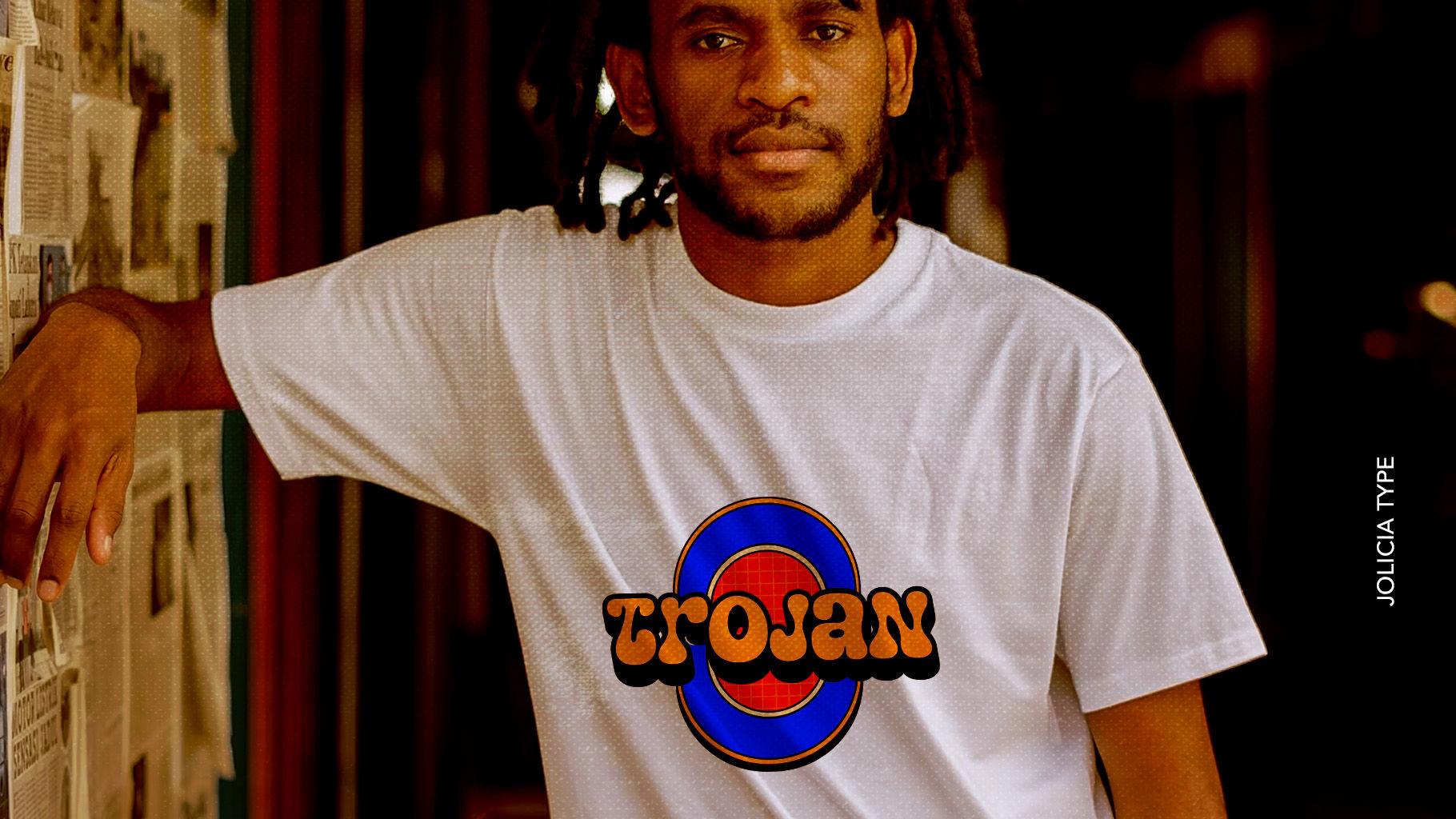
When developing a brand identity, typography is often as important as the logo. The right font can suggest luxury, affordability, innovation, or tradition.
Websites and UI Design
Typography is critical for user interfaces. From button labels to blog posts, type needs to be clear, accessible, and responsive.
Common Typography Mistakes (and How to Avoid Them)
- Using Too Many Fonts: Stick to 2-3 fonts maximum for a cohesive look.
- Poor Font Pairing: Choose fonts that complement each other, not clash.
- Ignoring Line Length: Optimal line length improves readability (around 50-75 characters per line).
- Bad Kerning and Leading: Always adjust manually when necessary; don’t rely solely on default settings.
- Choosing Style Over Function: Never sacrifice readability for a cool aesthetic.
How to Start Mastering Typography
Study the Greats Look at legendary typographers like Massimo Vignelli, Paula Scher, and Erik Spiekermann. Analyze their work and see how they balance creativity with clarity.
Practice Daily Typography is a skill that improves with practice. Create mini-projects focused on type, like redesigning book covers, menus, or event posters.
Use Grid Systems Grids help organize text elements harmoniously. Mastering grids will elevate your typography work immensely.
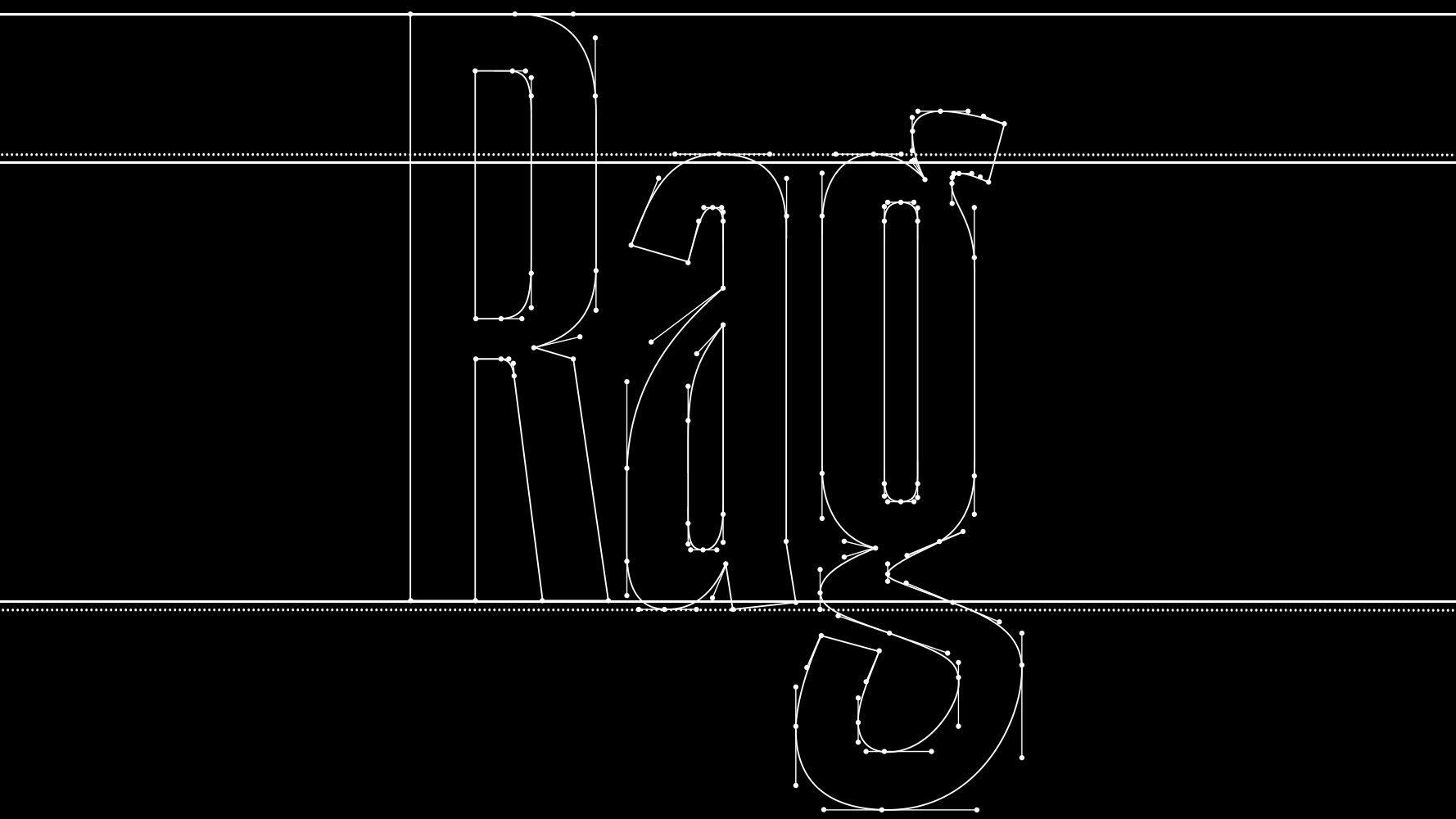
Learn Font Anatomy Understand terms like x-height, baseline, ascender, descender, serif, bowl, and terminal. Knowing anatomy helps you choose and pair fonts more intelligently.
Stay Updated on Trends (But Choose Wisely) Typography trends evolve, but fundamental principles remain. Always prioritize clarity and emotional connection over chasing trends.
Conclusion: Typography is Design’s Secret Weapon
Typography may seem subtle, but it wields massive influence over how your designs are perceived and understood. By investing time in mastering typography basics, graphic designers can:
- Create stronger visual narratives
- Build better brand identities
- Improve user experience
- Elevate the emotional impact of their designs
Typography isn’t just part of design — it is design. If you want your work to stand out in a crowded creative field, make typography your ally, not an afterthought.
Pro Tip: Start building your own “Typography Inspiration Folder” today. Save screenshots, print materials, or digital examples of type treatments you admire. Over time, you’ll develop an instinct for what works and why.
Stay tuned for our next article where we’ll dive into “The Psychology Behind Font Choices.” Master the art of typography, and you’ll master the art of communication.