
The Difference Between Static Fonts and Variable Fonts
The Difference Between Static Fonts and Variable Fonts
Understanding the Evolution of Typography in the Digital Age
Typography plays a crucial role in design, communication, and branding. As digital platforms evolve, so too do the tools and technologies behind the typefaces we use. One of the most significant advancements in recent years is the rise of variable fonts, a modern counterpart to the traditional static fonts. But what exactly differentiates these two formats, and why does it matter to designers, developers, and users?
What Are Static Fonts?
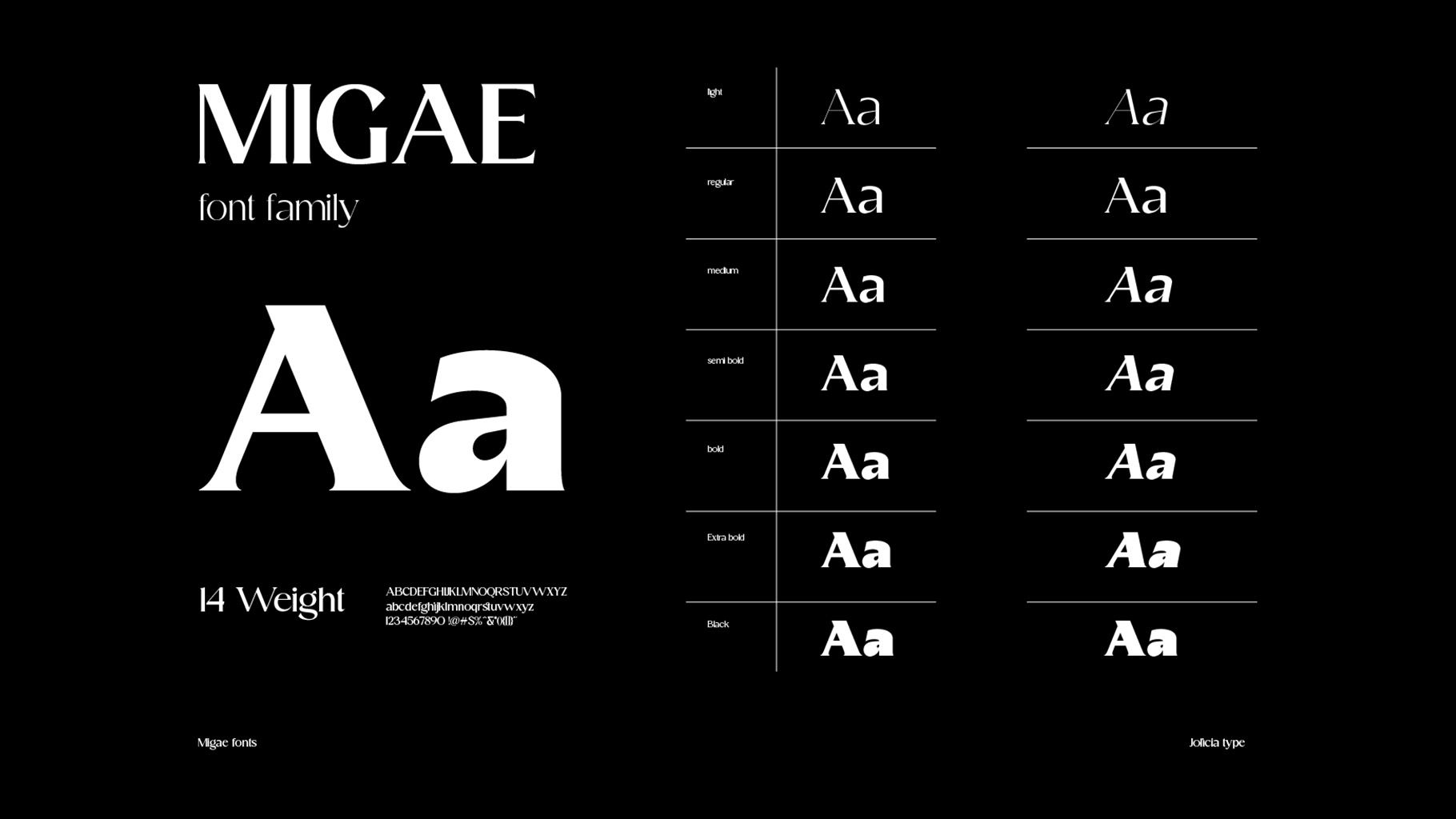
Static fonts are the conventional font files that have been used for decades. Each style or weight—such as Regular, Bold, Italic, or Light—is a separate font file. If a typeface family has multiple weights and styles, each must be installed or embedded individually. For instance, a typeface like Helvetica Neue may have 12 separate files, one for each weight and style combination.
Advantages of static fonts:
- Broad compatibility with all platforms and software
- Predictable performance and rendering
- Simpler to license for specific weights/styles
Limitations:
- Increased file size when using multiple styles
- Limited flexibility for custom weight or width adjustments
- More complex font management
What Are Variable Fonts?
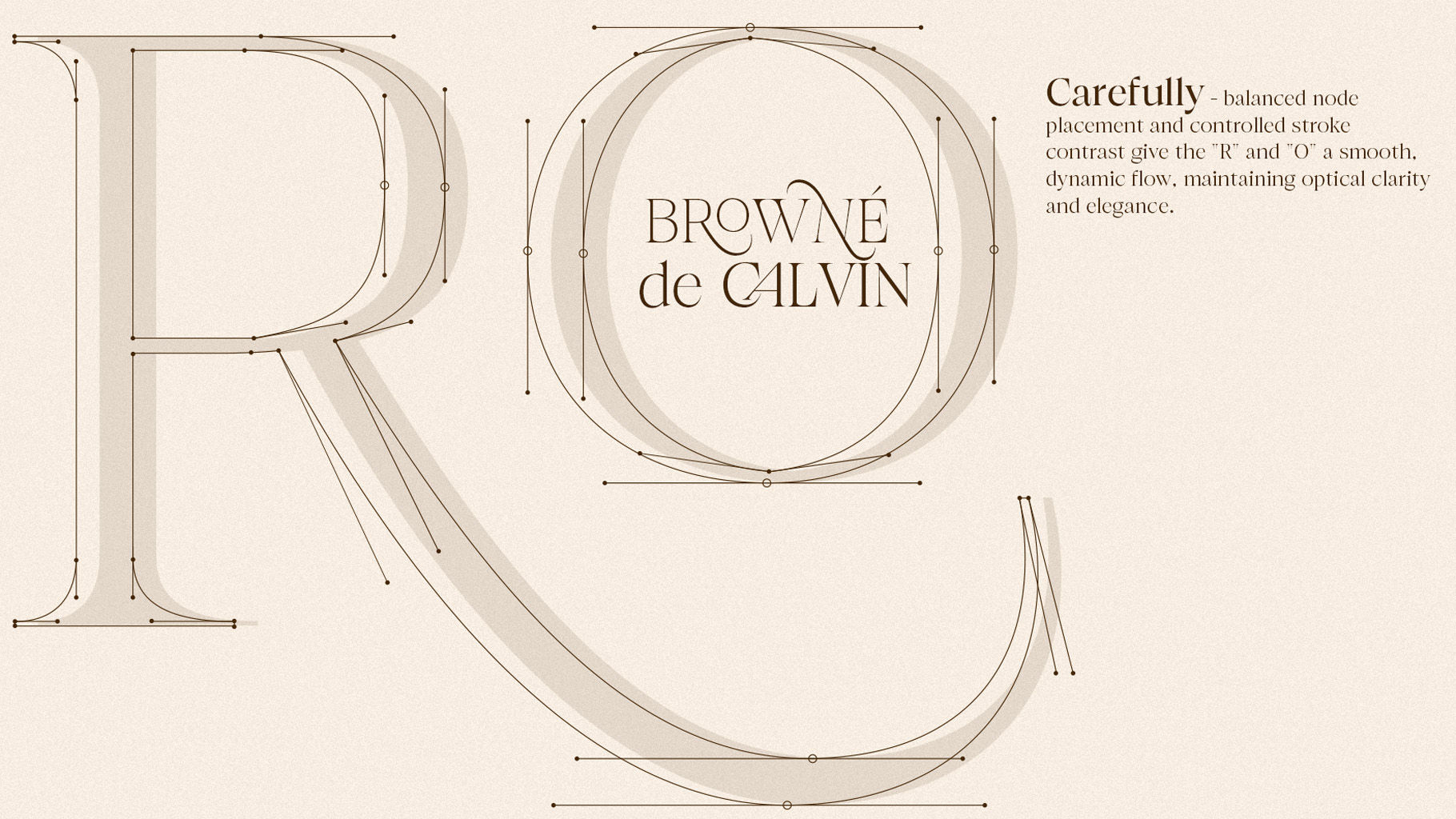
Variable fonts are a more recent innovation, introduced as part of the OpenType 1.8 specification in 2016. A variable font combines multiple font styles and weights into a single font file, using interpolation technology. With this, you can smoothly adjust attributes such as weight, width, slant, and even optical size.
Advantages of variable fonts:
- Flexible design control: Instead of being limited to predefined styles, designers can customize a typeface’s weight or width with fine precision.
- Reduced file size: One variable font file can replace multiple static files, improving performance especially on the web.
- Responsive typography: Variable fonts adapt beautifully to different screen sizes and resolutions, making them ideal for modern web design.
Limitations:
- Limited support in older browsers or software
- More complex implementation for beginners
- Can require more attention to performance tuning when used improperly
Real-World Example

Imagine designing a website that needs Thin, Regular, Bold, and Black weights of a typeface. With static fonts, that means loading four separate font files, which can slow down page loading time. With a variable font, a single file can handle all these styles—dramatically improving efficiency and user experience.
When to Use Which?
| Use Case | Static Font | Variable Font |
| Simple documents or branding with strict style usage | ✅ | ❌ |
| Web design with multiple styles and responsive needs | ❌ | ✅ |
| Print projects requiring specific, unchanging weights | ✅ | ❌ |
| Interactive or animated typography | ❌ | ✅ |
Conclusion
Both static and variable fonts serve important purposes in design and communication. Static fonts remain reliable for traditional workflows, while variable fonts offer unmatched flexibility and performance for dynamic, modern environments. Understanding when and how to use each can elevate the quality, efficiency, and creativity of your design projects.