
How Design Eras Shaped Modern Fonts: From Art Deco to Bauhaus and Beyond
How Design Eras Shaped Modern Fonts: From Art Deco to Bauhaus and Beyond
A Journey Through Time and Type
Typography is more than just letters on a screen — it’s a reflection of cultural, artistic, and historical shifts. From the geometric clarity of Bauhaus to the bold glamor of Art Deco, the fonts we use today carry echoes of influential design eras. Whether you’re a type designer or a visual creative, understanding these roots offers invaluable insight into why modern fonts look and feel the way they do.
1. Art Deco: The Age of Elegance and Extravagance
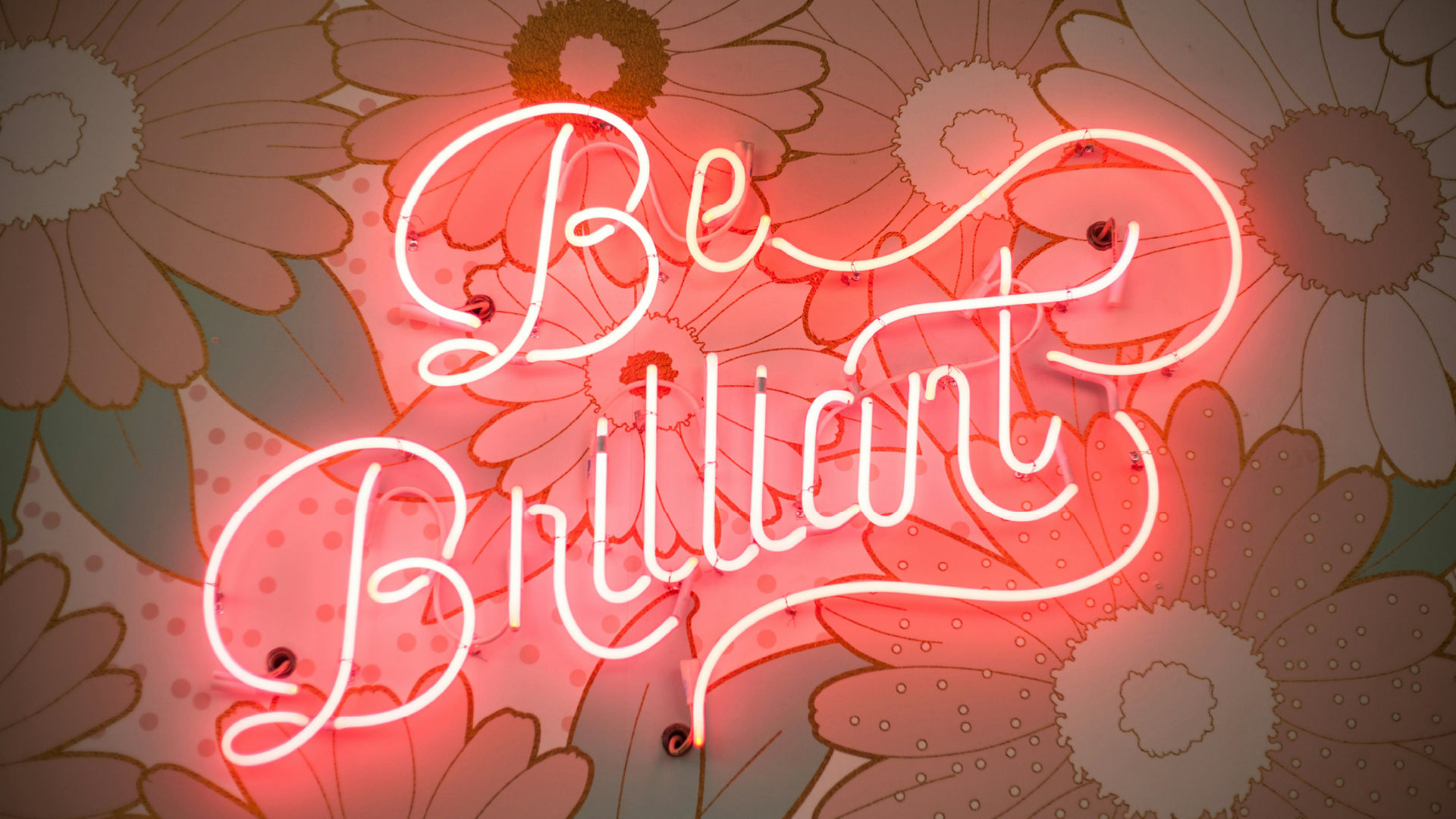
Art Deco flourished during the 1920s–1930s and is known for its luxurious, symmetrical, and streamlined aesthetic. This movement influenced fonts with:
- Bold geometric shapes
- High contrast between thick and thin strokes
- Elegant, often condensed letterforms
Modern fonts inspired by Art Deco include Metropolis, Gatsby, and Abril Fatface. These typefaces often evoke a sense of vintage sophistication—perfect for branding, fashion, and editorial design.
2. Bauhaus: Function Over Form
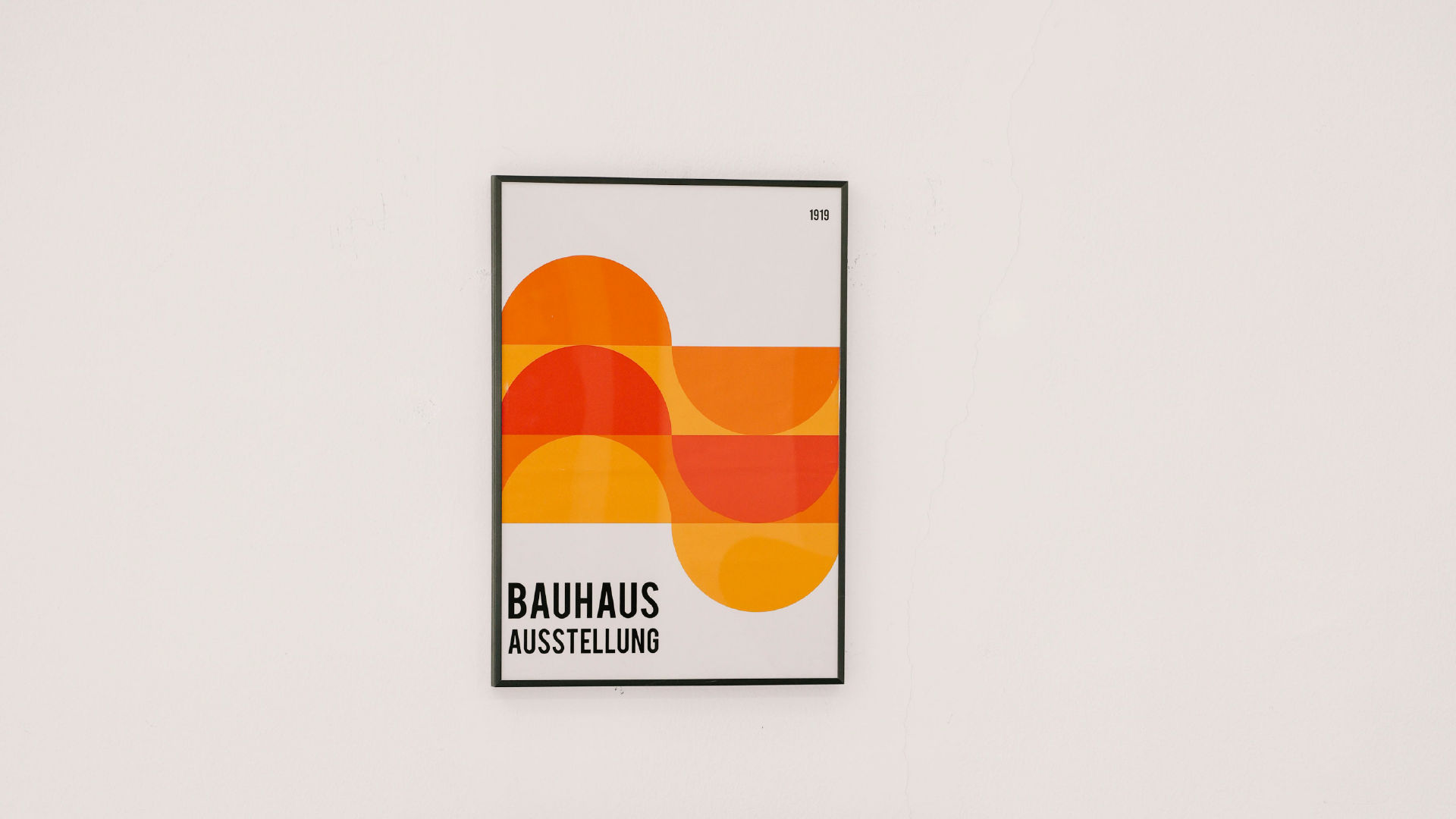
Emerging from Germany in the 1919–1933 era, Bauhaus rejected ornamentation and embraced rational design. Its principles gave birth to typefaces that are:
- Geometric and minimal
- Highly legible
- Constructed on simple shapes like circles and rectangles
Modern typefaces like Futura, Avenir, and Josefin Sans are rooted in Bauhaus ideology. These fonts are favored for UI/UX design, corporate branding, and digital interfaces because of their clean, timeless structure.
3. Swiss Style / International Typographic Style

Though not as decorative, the Swiss Style (1950s) brought the concept of grid-based layouts and sans-serif typography to the forefront. Its emphasis on clarity and neutrality gave rise to typefaces such as:
- Helvetica
- Univers
- Akzidenz-Grotesk
These typefaces are the backbone of modern corporate identity and remain some of the most widely used fonts in history.
4. Psychedelic and Groovy Type (1960s–70s)
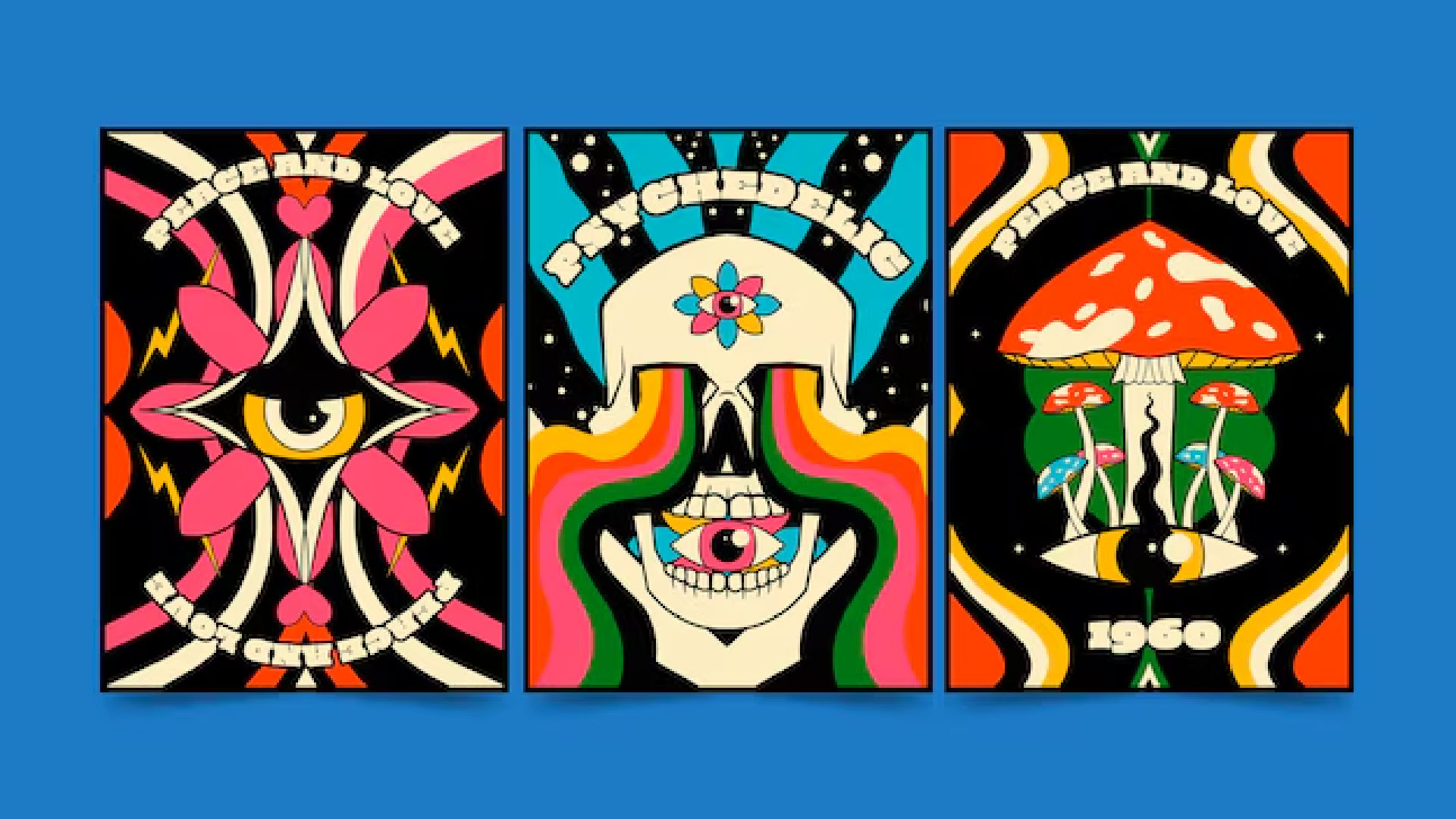
The counterculture movement gave rise to experimental and hand-drawn type with:
- Wavy, distorted letterforms
- Decorative and artistic expression
- Custom and irregular spacing
While this era was short-lived, its influence can be seen in fonts used for music posters, album covers, and creative campaigns that want to stand out or break from convention.
5. Digital Era and Revivalism (1990s–Today)
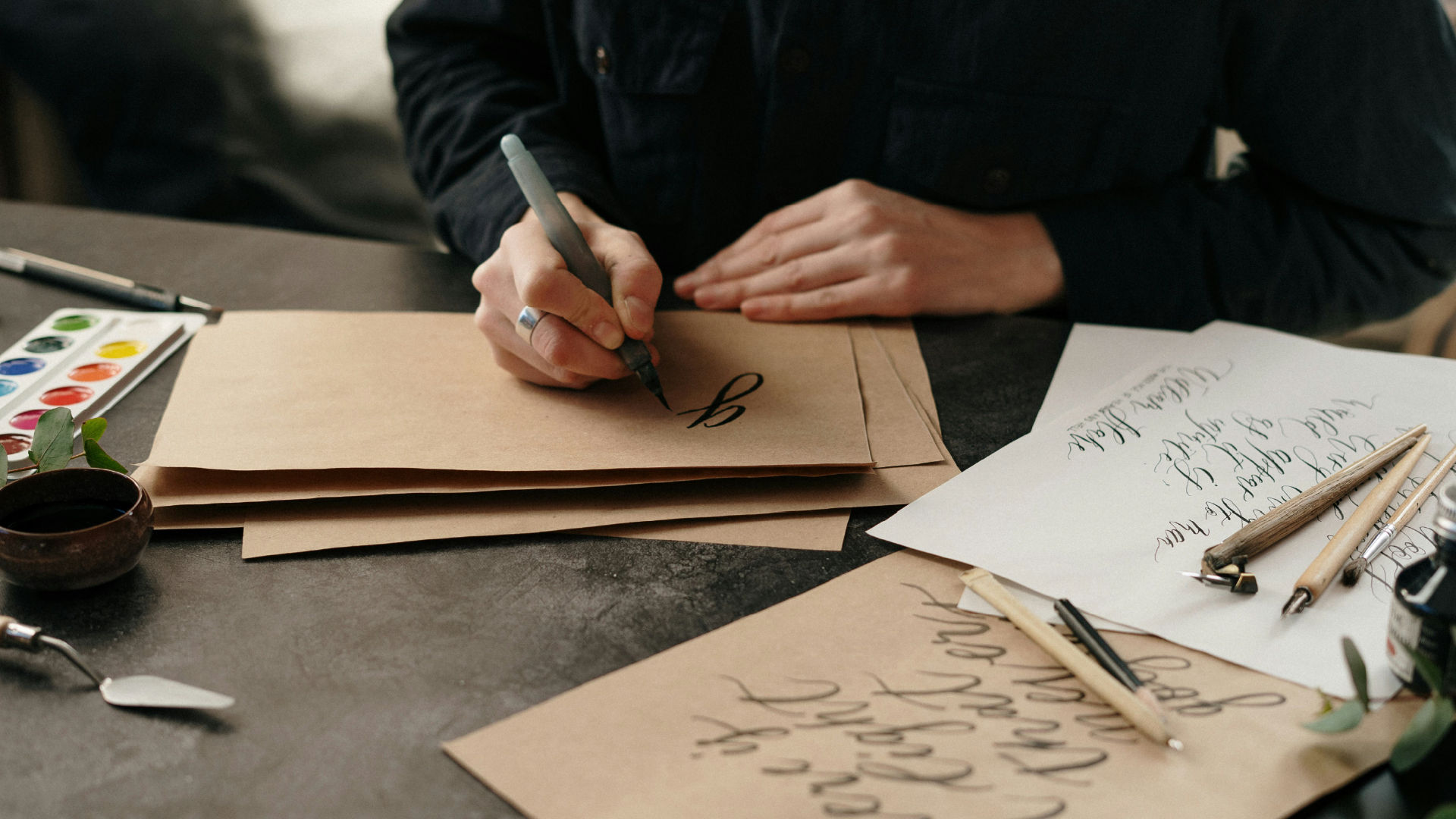
With the rise of digital tools, designers began reviving historical type styles with a modern twist. Examples include:
- Digital reinterpretations of serif classics (like Times New Roman or Garamond)
- Neo-grotesque and geometric sans-serifs
- Variable fonts for responsive digital use
Modern designers often merge past aesthetics with digital precision, creating typefaces that are both functional and emotionally resonant.
Conclusion: Timeless Influence
Modern typography is a living museum of past eras. By understanding the DNA of these design movements, you gain more than knowledge — you acquire the power to use type with intention. Whether you’re building a minimalist brand, a nostalgic poster, or a digital UI, the fonts you choose are shaped by history.