
Turning the Ordinary into Typography: How Everyday Objects Can Inspire Unique Fonts
Turning the Ordinary into Typography: How Everyday Objects Can Inspire Unique Fonts
Typography is all around us — from street signs to coffee shop menus, from phone screens to product packaging. But have you ever wondered where font designers get their ideas? One surprising and creative source of inspiration is right in front of us: everyday objects.
1. Seeing Letters in the Unexpected
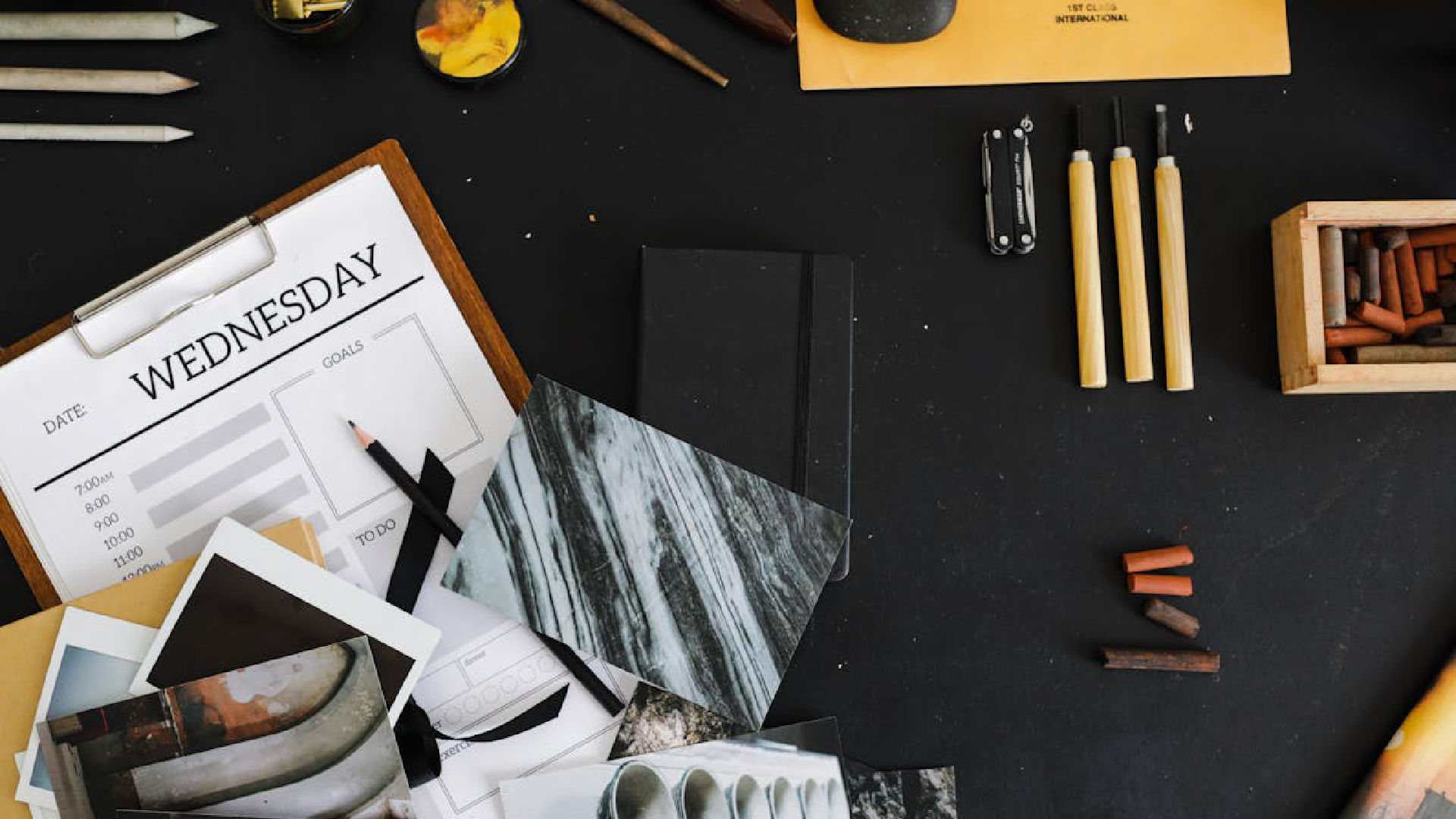
Designers often develop a sharp eye for patterns, forms, and textures in their surroundings. A bent paperclip, the loops of a shoelace, or even the jagged edge of torn paper can spark an idea for a letterform. These spontaneous observations often lead to fonts that feel original and personal.
For example:
- A typewriter ribbon might inspire a grungy, vintage-style font.
- The curves of ceramic mugs could influence the softness and roundness of a sans-serif.
- A stack of books on a shelf may give rise to a structured, slab serif design.
2. From Sketch to Glyph
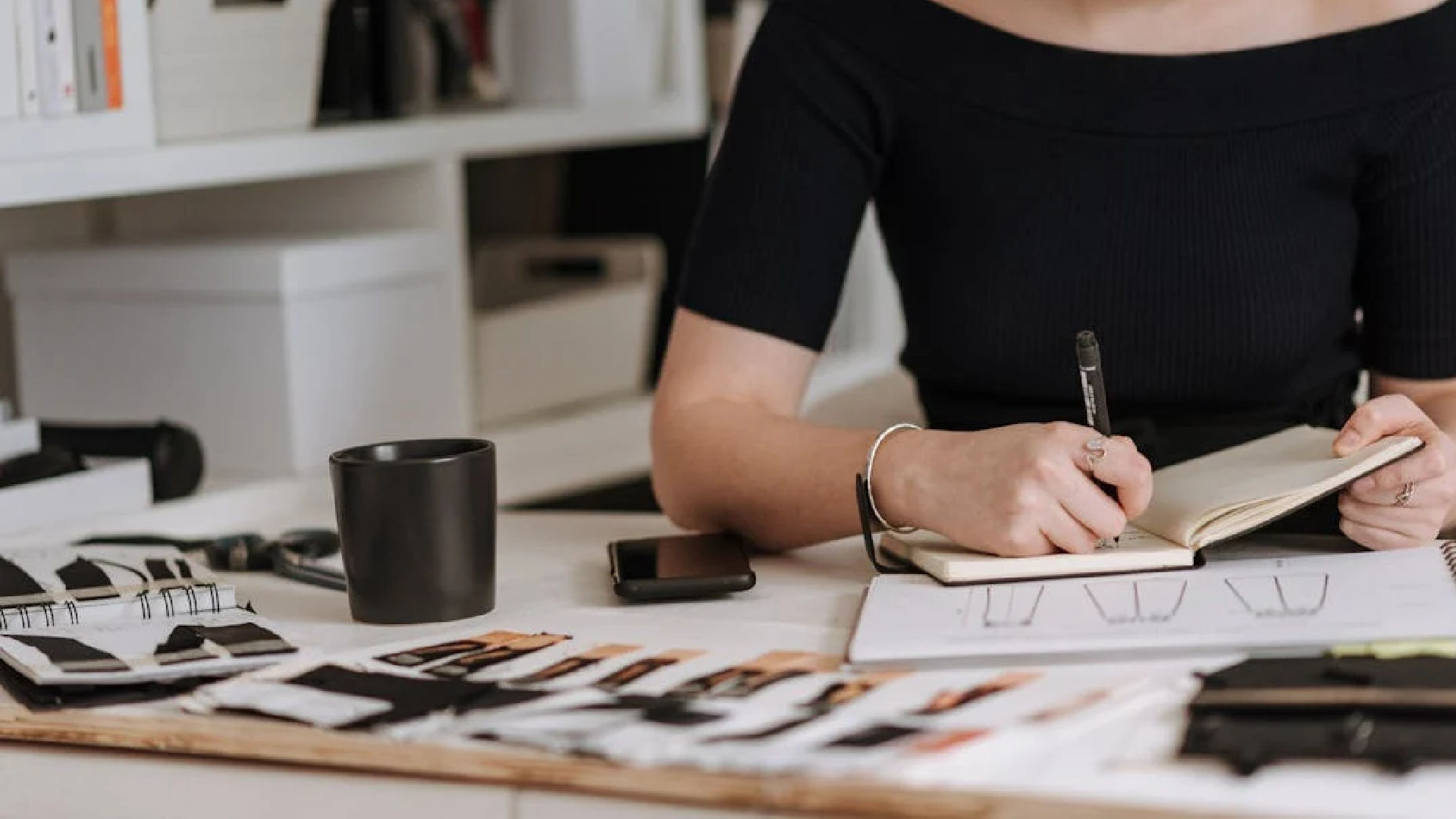
Once inspired by an object, designers usually begin by sketching letterforms that reflect its qualities — be it texture, shape, or rhythm. These sketches are then digitized using font creation tools such as FontLab, Glyphs, or FontForge. Through testing and refining, a full typeface gradually takes shape.
3. Why This Method Works

Creating fonts from everyday objects helps:
- Break creative blocks: It encourages observation over imitation.
- Tell a story: Fonts become more than functional — they carry a unique origin.
- Add character: Letterforms feel more alive when they’re influenced by real-world imperfections.
4. Tips to Start Your Own Object-Inspired Typeface

- Carry a sketchbook or use a phone camera to document interesting shapes.
- Look for objects with distinct silhouettes or textures.
- Try tracing outlines from objects to discover hidden forms that resemble letters.
- Don’t aim for perfection; instead, let the quirks of the object influence your design.
5. Real Examples from the Field
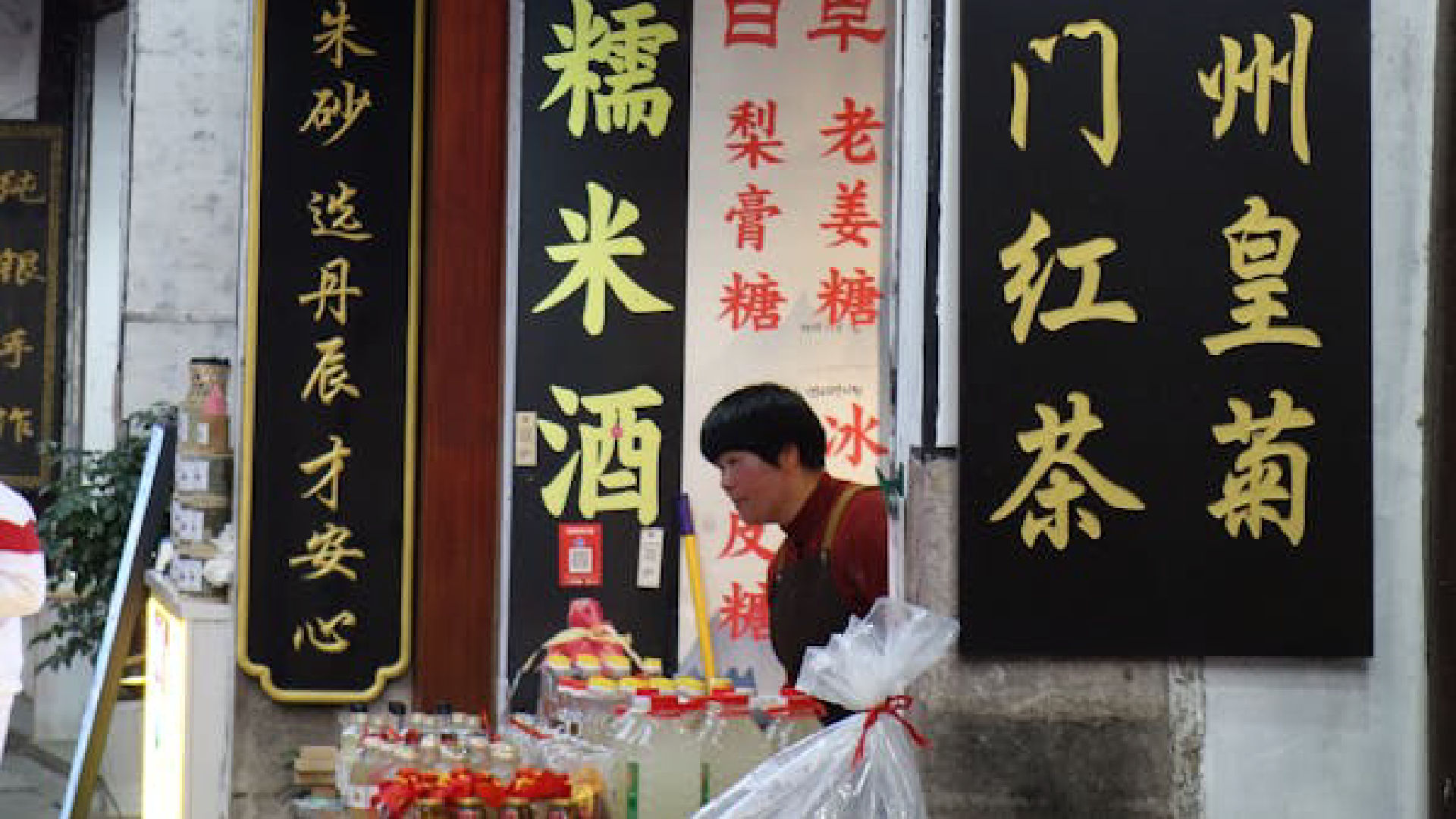
Many successful designers have embraced this approach. From typefaces inspired by street signage and matchbox labels to those modeled after leaves or shadows, the results are often striking and memorable.
Conclusion:
Inspiration is everywhere — sometimes in the things we touch, see, and use every day. By observing the ordinary with a designer’s eye, you can create extraordinary fonts that resonate with originality and soul. The next time you sip your morning coffee, glance at your keys, or walk past a fence, take a moment to wonder: What kind of typeface could this become?