
Serif vs Sans-Serif: When to Use Each in Design
Serif vs Sans-Serif: When to Use Each in Design
Typography is one of the most powerful tools in a graphic designer’s arsenal. Among the first and most crucial decisions you’ll make when selecting typefaces is choosing between serif and sans-serif fonts. Understanding the differences, strengths, and appropriate contexts for each can make or break a design.
In this article, we’ll explore the nuances of serif and sans-serif fonts, provide real-world examples, and guide you on when to use each to maximize your design’s impact.
What Are Serif and Sans-Serif Fonts?
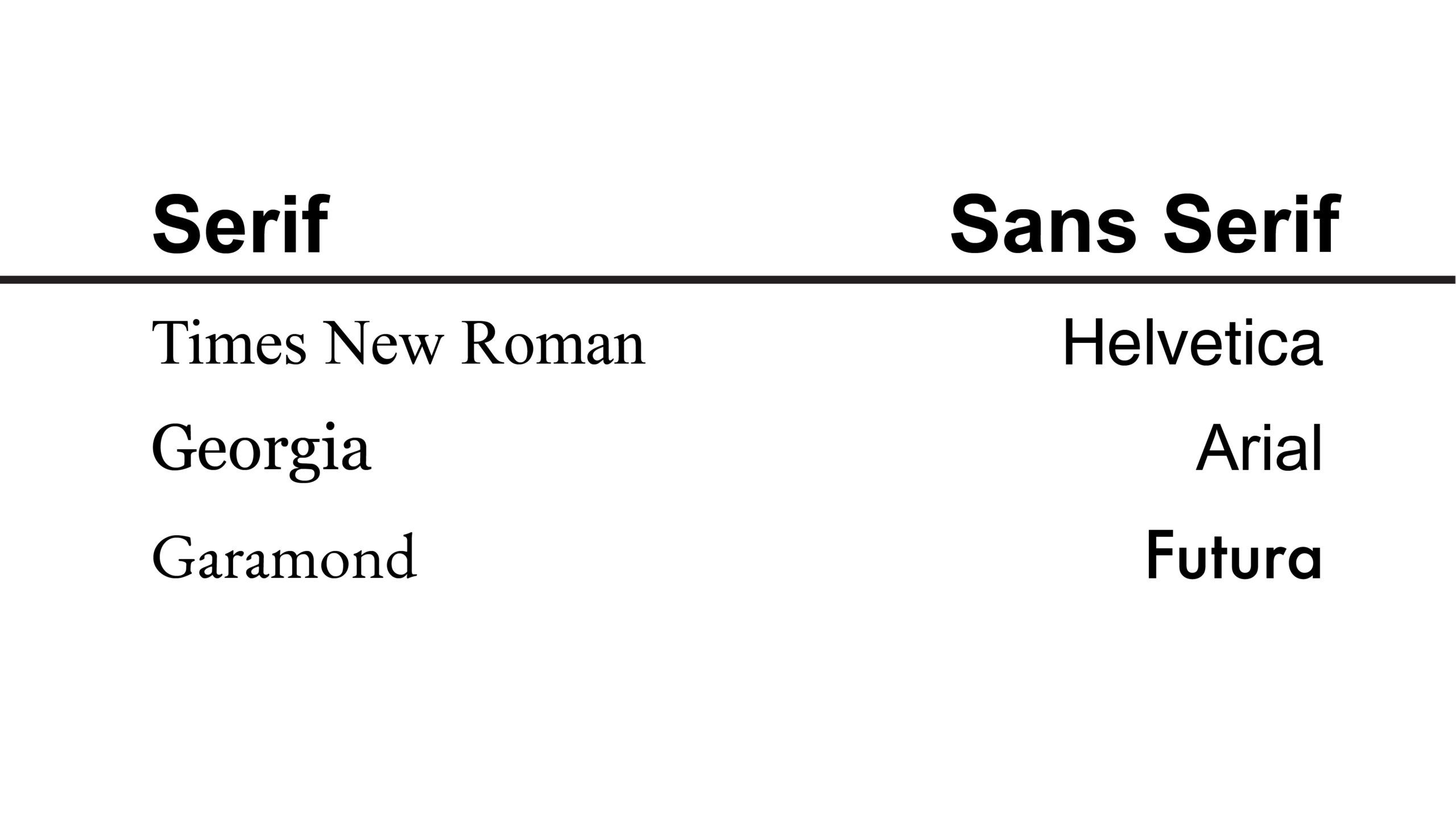
- Serif Fonts have small decorative lines (called “serifs”) attached to the ends of letters. They often appear more traditional, formal, and classic.
- Examples: Times New Roman, Georgia, Garamond
- Examples: Times New Roman, Georgia, Garamond
- Sans-Serif Fonts do not have these lines. They appear cleaner, more modern, and straightforward.
- Examples: Helvetica, Arial, Futura
- Examples: Helvetica, Arial, Futura

The Historical Context
Serif fonts date back to Roman inscriptions carved into stone, offering a sense of history and tradition. Sans-serif fonts, on the other hand, rose to prominence in the 20th century, symbolizing the modernist movement focused on clarity, function, and minimalism.
Key Differences at a Glance
| Feature | Serif | Sans-Serif |
| Style | Traditional, classic | Modern, minimalistic |
| Readability | High in print | High on screens |
| Emotion | Trustworthy, serious | Friendly, approachable |
| Best for | Books, newspapers, formal documents | Websites, apps, branding |
When to Use Serif Fonts
1. For Print Materials
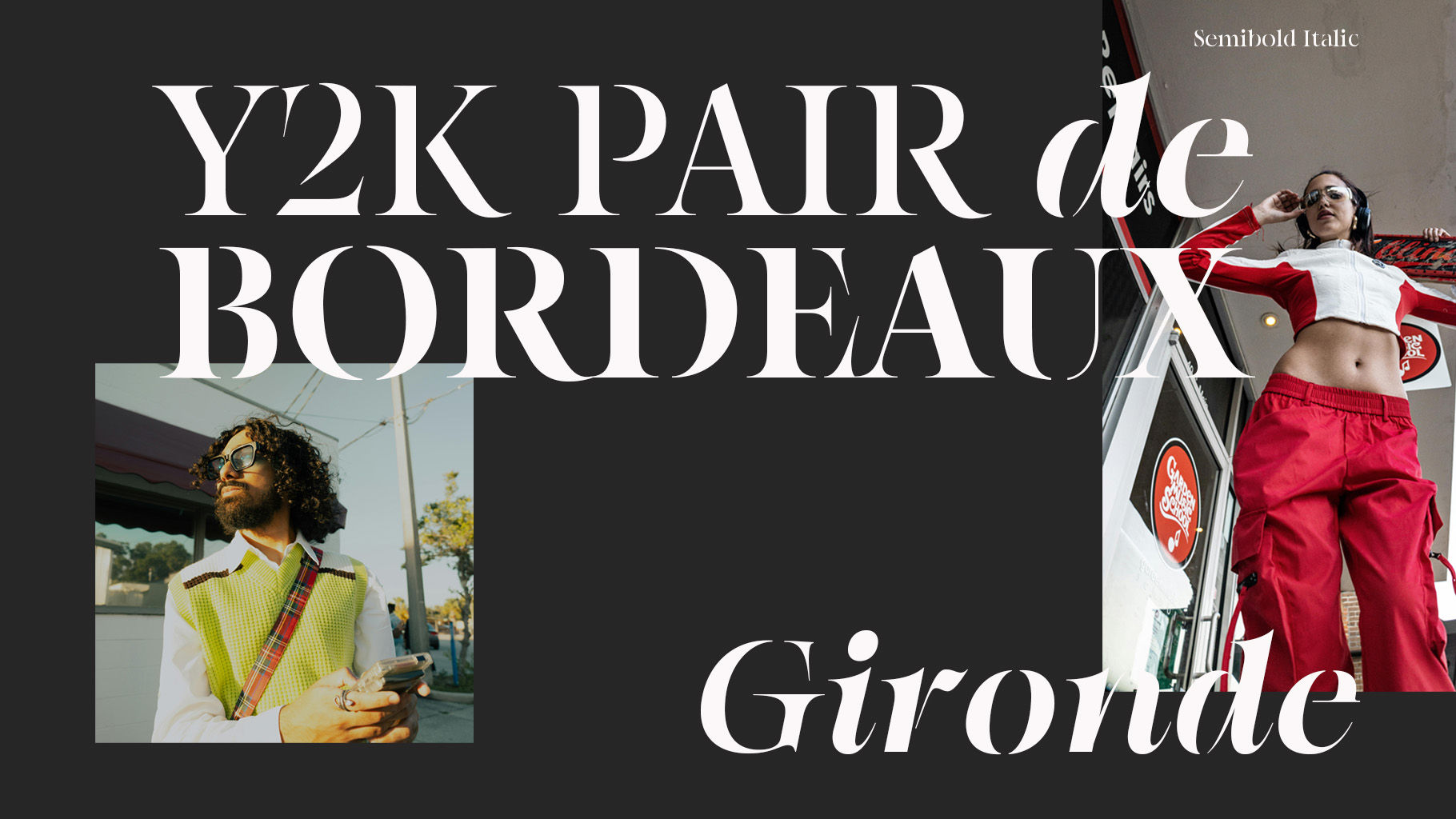
Serif fonts are traditionally preferred for print materials like books, magazines, and newspapers. The serifs guide the eye from one letter to the next, enhancing readability over long passages.
2. For Conveying Authority and Tradition
Serif fonts evoke a sense of credibility and heritage. Law firms, financial institutions, and universities often use serif typography to appear more established and trustworthy.
3. For Editorial and Formal Designs
Editorial layouts, formal invitations, and certificates benefit greatly from the elegance and structure provided by serif fonts.
Examples:
- The New York Times (Print)
- Harvard University (Branding)

When to Use Sans-Serif Fonts
1. For Digital and On-Screen Content
Sans-serif fonts are cleaner and more legible on screens, especially at smaller sizes. They are perfect for websites, mobile apps, and digital advertisements.
2. For Modern, Clean Branding
Startups, tech companies, and fashion brands often use sans-serifs to communicate innovation, simplicity, and modernity.
3. For Minimalist and Friendly Design
Sans-serif fonts work well for brands that want to appear approachable and straightforward. Their simplicity makes them versatile across industries.
Examples:
- Google (Logo)
- Airbnb (Website Typography)
Combining Serif and Sans-Serif Fonts
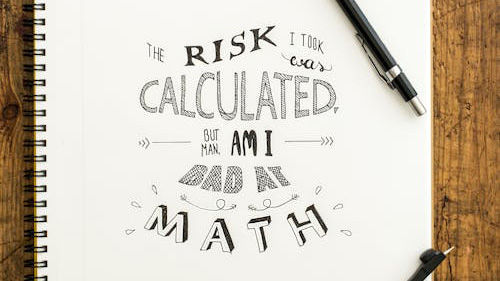
Many designers successfully pair serif and sans-serif fonts for contrast and hierarchy.
Tips for Effective Pairing:
- Use a serif font for headings and a sans-serif for body text (or vice versa).
- Choose fonts with complementary characteristics (e.g., similar x-height).
- Maintain visual balance by adjusting sizes, weights, and spacing carefully.
Example: A law firm’s website might use a serif font for the logo and main headings to appear authoritative, while the body text uses a clean sans-serif for better screen readability.

Factors to Consider Before Choosing
1. Audience Perception
- Formal or professional: Lean towards serif.
- Modern or casual: Opt for sans-serif.
2. Medium
- Print: Serif has the advantage.
- Digital: Sans-serif leads.
3. Brand Personality
- Traditional and established brands favor serifs.
- Young, innovative brands favor sans-serifs.
4. Legibility Needs
- Short text like headlines: Both can work.
- Long-form reading: Choose based on the medium (serif for print, sans-serif for digital).
Common Mistakes to Avoid
- Overdecorating: Avoid ornate serifs for body text in digital media.
- Ignoring Scale: Make sure serifs don’t lose clarity at small sizes.
- Random Pairing: Thoughtlessly combining a serif and sans-serif can result in a disjointed design.
Tools to Help You Choose
- Fontpair.co: Suggests great font combinations.
- Google Fonts: Offers free, web-optimized font families.
- Adobe Fonts: Premium font collections with usage rights.
Conclusion: It’s About Purpose, Not Just Preference
Choosing between serif and sans-serif fonts isn’t just a stylistic decision—it’s a strategic one. The right choice supports readability, sets the right tone, and strengthens the brand or message.
Understanding when and why to use each type of font enables you to communicate more effectively through your designs. Whether you’re crafting a corporate annual report, designing a startup’s website, or laying out a magazine, the right typographic choice will set the foundation for your project’s success.
Typography isn’t just what your audience reads. It’s what they feel while they read.
Stay tuned—in the next article, we’ll dive into “Top 10 Free Fonts Every Graphic Designer Should Know About.” Your type journey continues!