
From Flat to Fluid: How Dynamic Branding Is Redefining Logo Design
From Flat to Fluid: How Dynamic Branding Is Redefining Logo Design
Over the past decade, the world of visual identity has undergone a dramatic transformation. What once relied on static, two-dimensional logos has now evolved into flexible, adaptive, and responsive identity systems. This shift reflects how brands need to communicate across diverse platforms—from mobile screens and apps to immersive digital experiences like AR and motion interfaces.
Welcome to the era of dynamic branding.
1. The Era of Flat 2D Logos
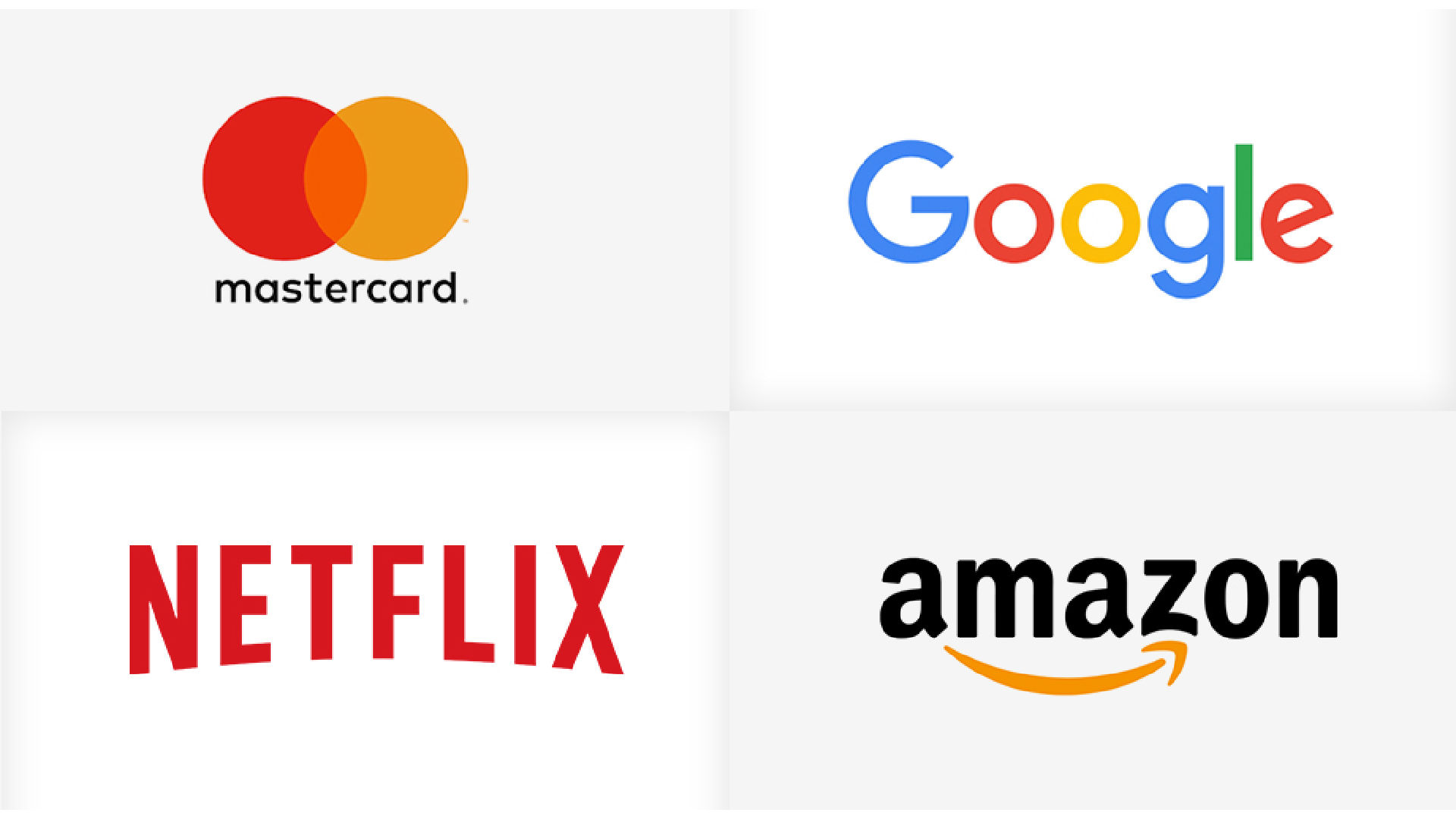
For years, flat 2D logos dominated design trends. Simple shapes, minimal lines, and bold colors made logos easy to recognize, reproduce, and scale. The popularity of flat design was influenced by:
- Faster digital load times
- Clear readability across devices
- Minimalistic design trends
Brands like Google, Airbnb, and Microsoft embraced flat logos to create clean and universally adaptable identities.
2. Why Flat Isn’t Enough Anymore
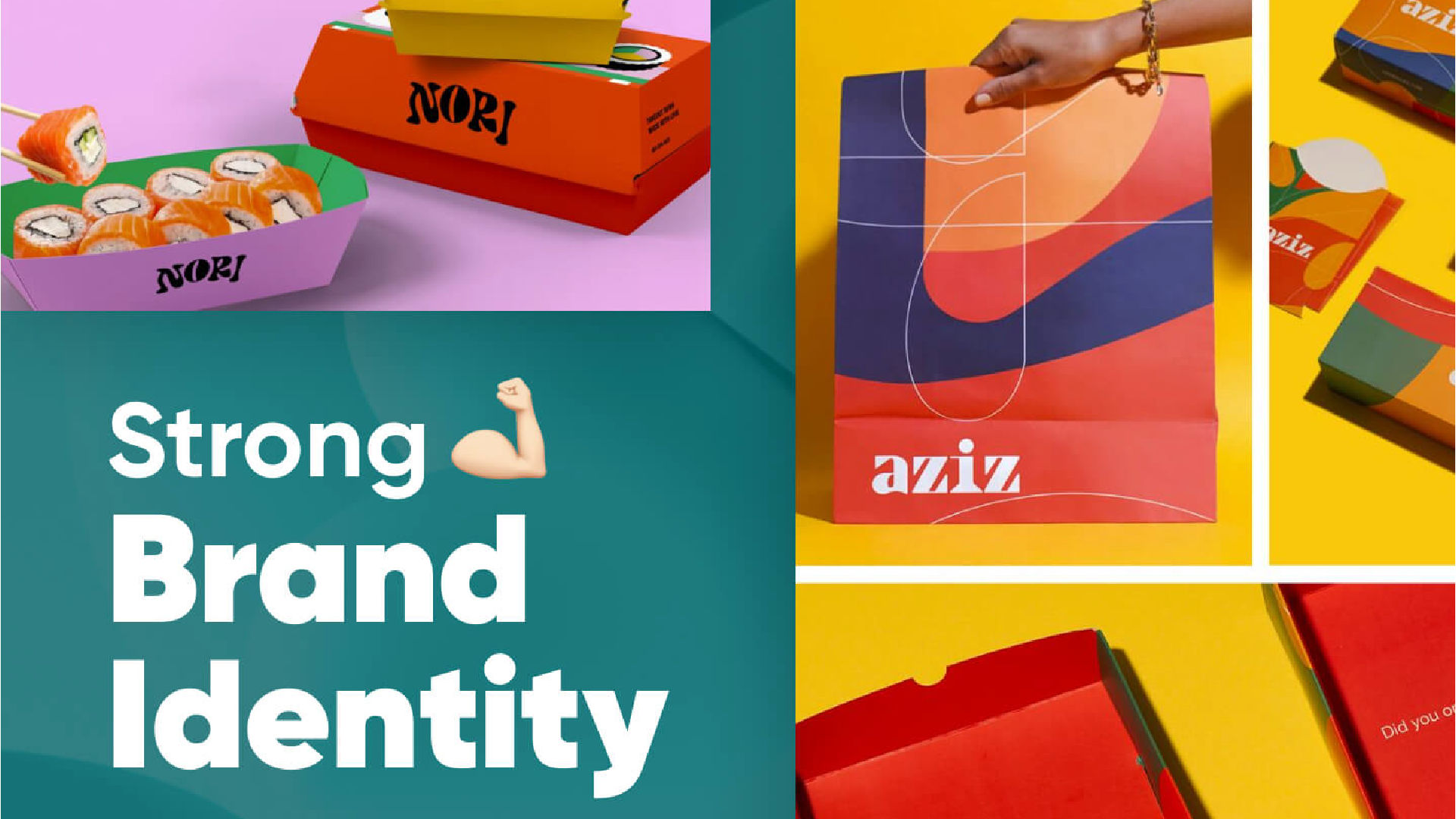
As platforms evolved, so did user expectations. Digital ecosystems now demand identities that are not just recognizable—but responsive and interactive.
A static logo may feel limiting when:
- Used in animation or motion-based content
- Applied across hundreds of digital touchpoints
- Adapted to diverse cultural or contextual uses
Brands need visual identities that feel alive.
3. The Rise of Dynamic Branding
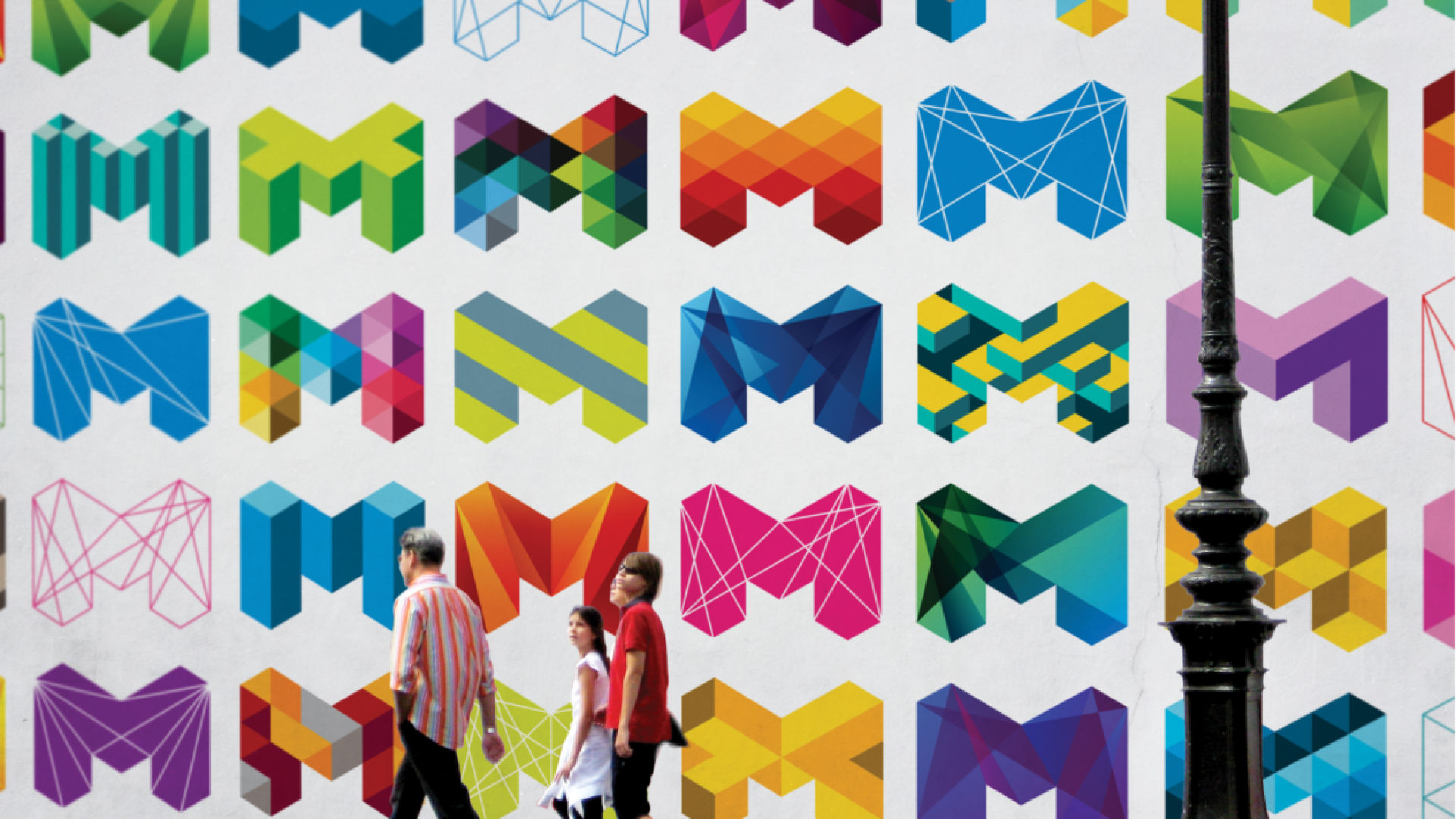
Dynamic branding introduces logos that can adapt, shift, animate, and respond depending on the environment or audience. Instead of one fixed mark, brands now build a visual language system.
Examples of dynamic branding might include:
- Logo variations for seasons, holidays, or campaigns
- Color systems that shift based on theme or emotion
- Motion-based versions used in videos, reels, and apps
- AI-generated contextual variations
This allows brands to feel more personal, immersive, and modern.
4. Key Characteristics of Dynamic Logos
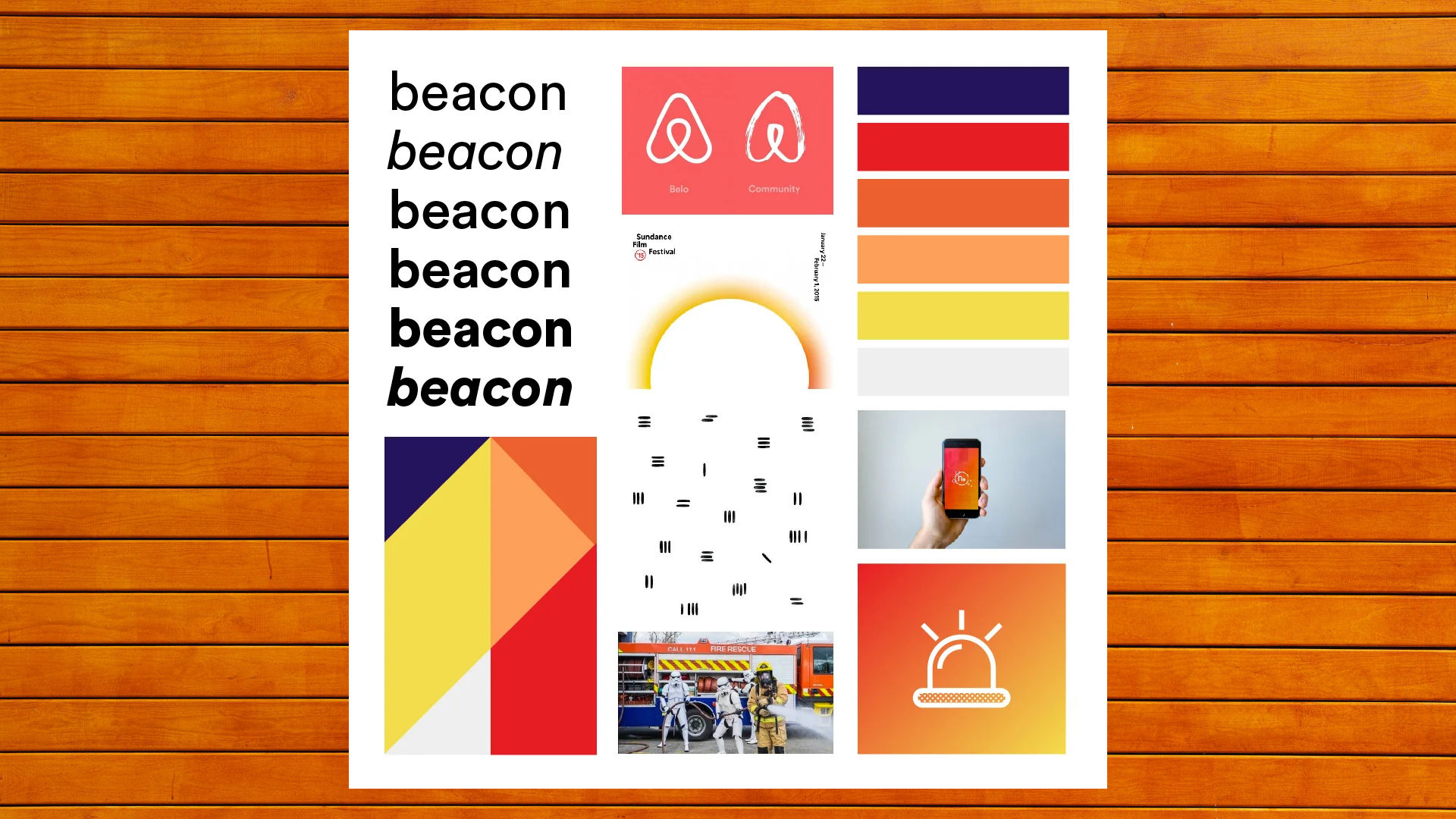
Dynamic branding doesn’t mean chaos. Strong systems maintain consistency through:
| Element | Role in Dynamic Branding |
| Core Structure | Ensures recognizable identity |
| Motion Principles | Defines how elements animate |
| Color and Purpose Variants | Allows flexibility without losing meaning |
| Scalable Grid System | Keeps variations organized |
5. Why Dynamic Logos Work
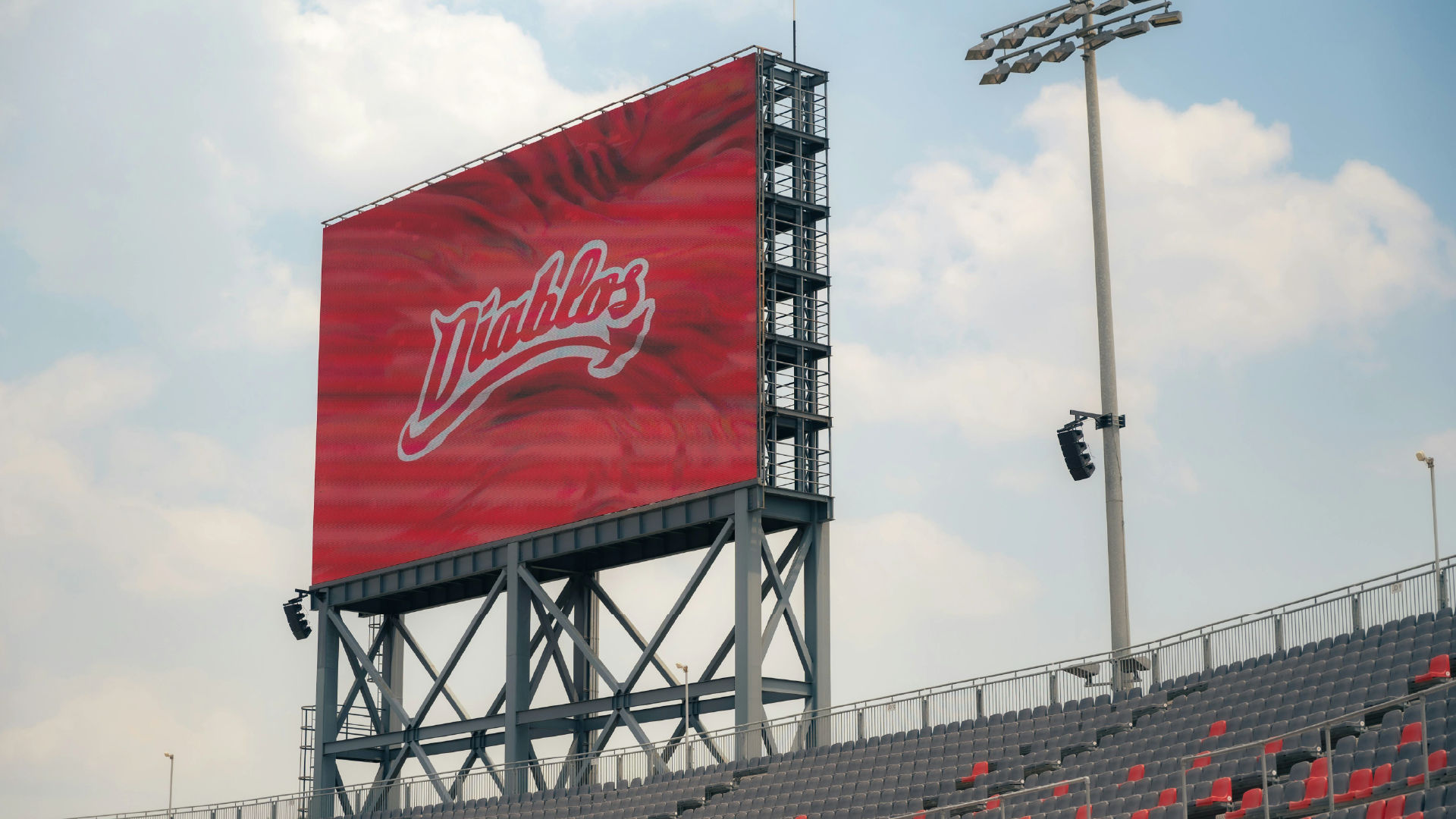
Dynamic branding offers several advantages in the digital-first world:
- Higher Engagement: Movement and adaptability capture attention.
- Stronger Storytelling: Logos can express tone, culture, and narrative.
- Better Platform Fit: One brand version works for TikTok, another for packaging, another for AR.
- Future-Ready Identity: Adaptable systems remain relevant longer.
Brands are moving from simply being seen to being experienced.
6. The Future: Responsive, Intelligent Identity
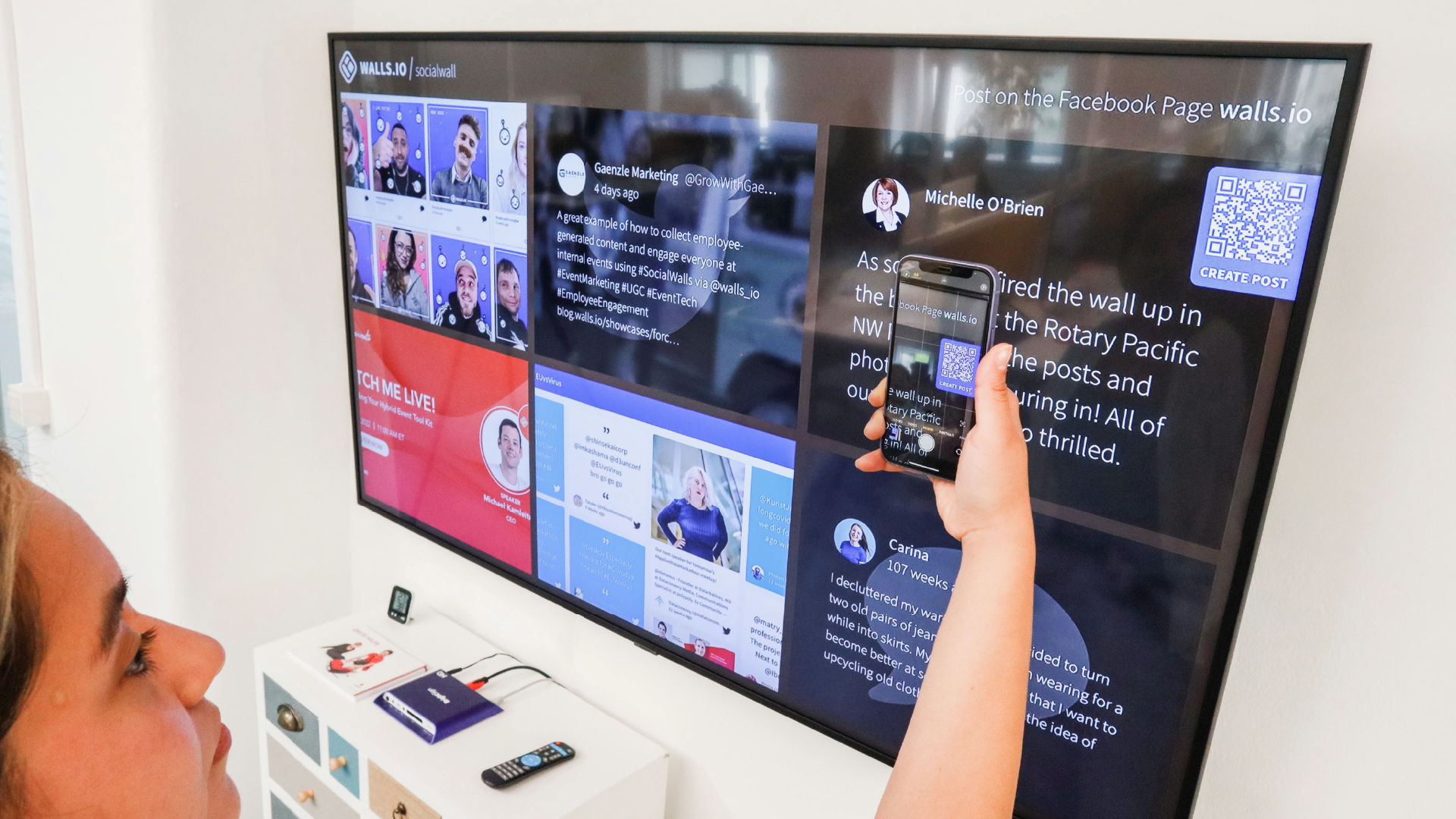
As AI, VR, and interactive media continue to evolve, logo design will likely become:
- Voice-responsive
- Context-aware
- Emotionally adaptive
- Hyper-personalized
The logo of the future may change based on location, user interaction, or digital environment—without ever losing its core identity.
Conclusion
The shift from 2D flat logos to dynamic branding marks a significant evolution in visual identity design. Brands are no longer limited to a single static symbol—they now craft living systems that communicate with depth, flexibility, and personality. Design is no longer just about recognition.
It’s about interaction, storytelling, and adaptability.