
Blending Two Worlds: How to Create a Stunning Hybrid Typeface
Blending Two Worlds: How to Create a Stunning Hybrid Typeface
Typography is a playground of endless possibilities. Among its most exciting frontiers is the creation of hybrid typefaces—fonts that combine two distinct styles into one harmonious design. This trend is making waves in branding, packaging, and digital design because it offers the best of both worlds: originality and flexibility.
In this article, we’ll explore how to combine two styles of fonts into a hybrid typeface, the creative considerations involved, and tips to make your hybrid typeface both functional and beautiful.
What Is a Hybrid Typeface?
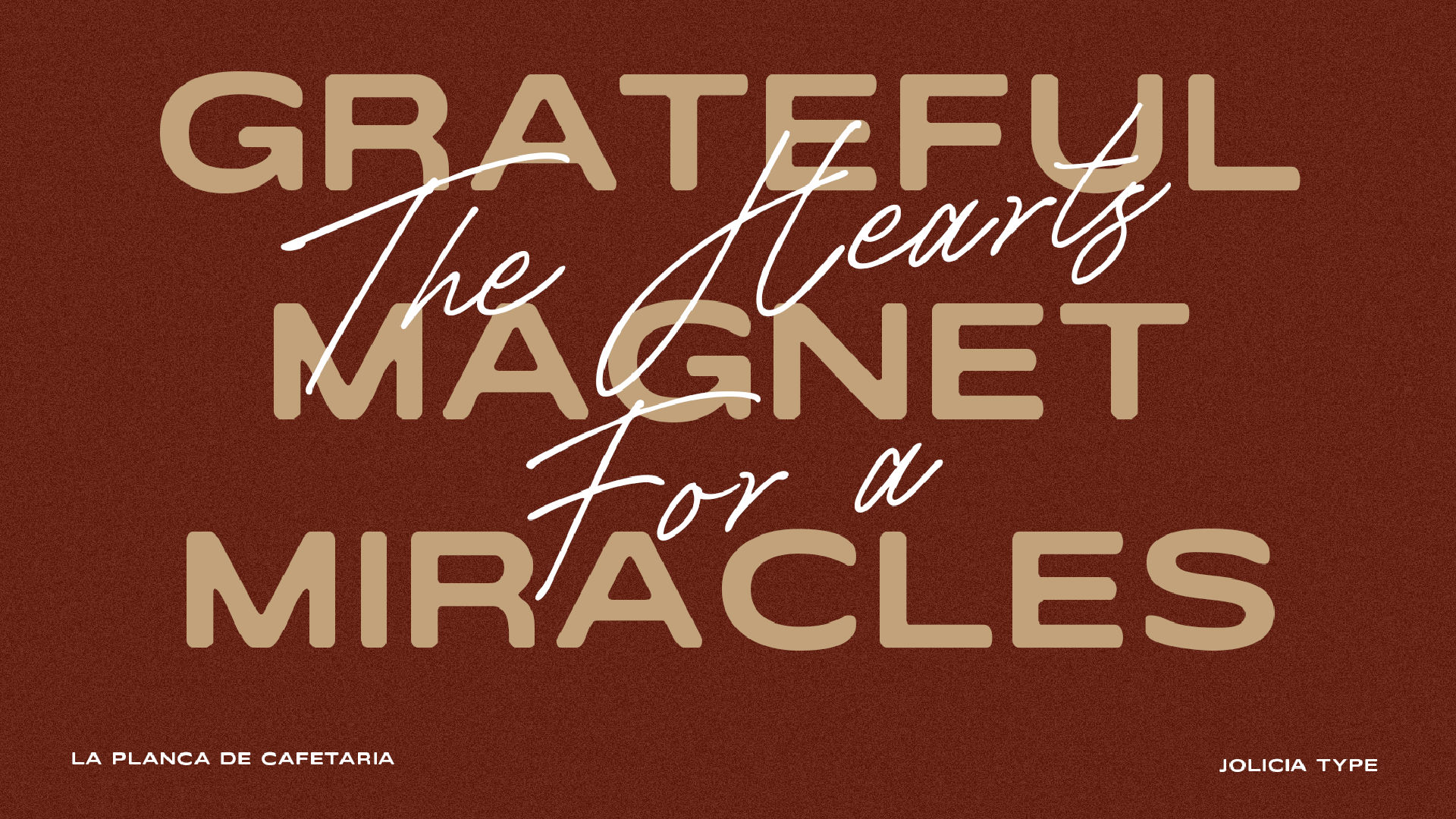
A hybrid typeface blends characteristics from two different font styles—such as serif and script, sans serif and blackletter, or even geometric and hand-drawn—into one unified design. The result is a typeface that feels fresh yet familiar, standing out while still being readable.
Why Designers Love Hybrid Typefaces
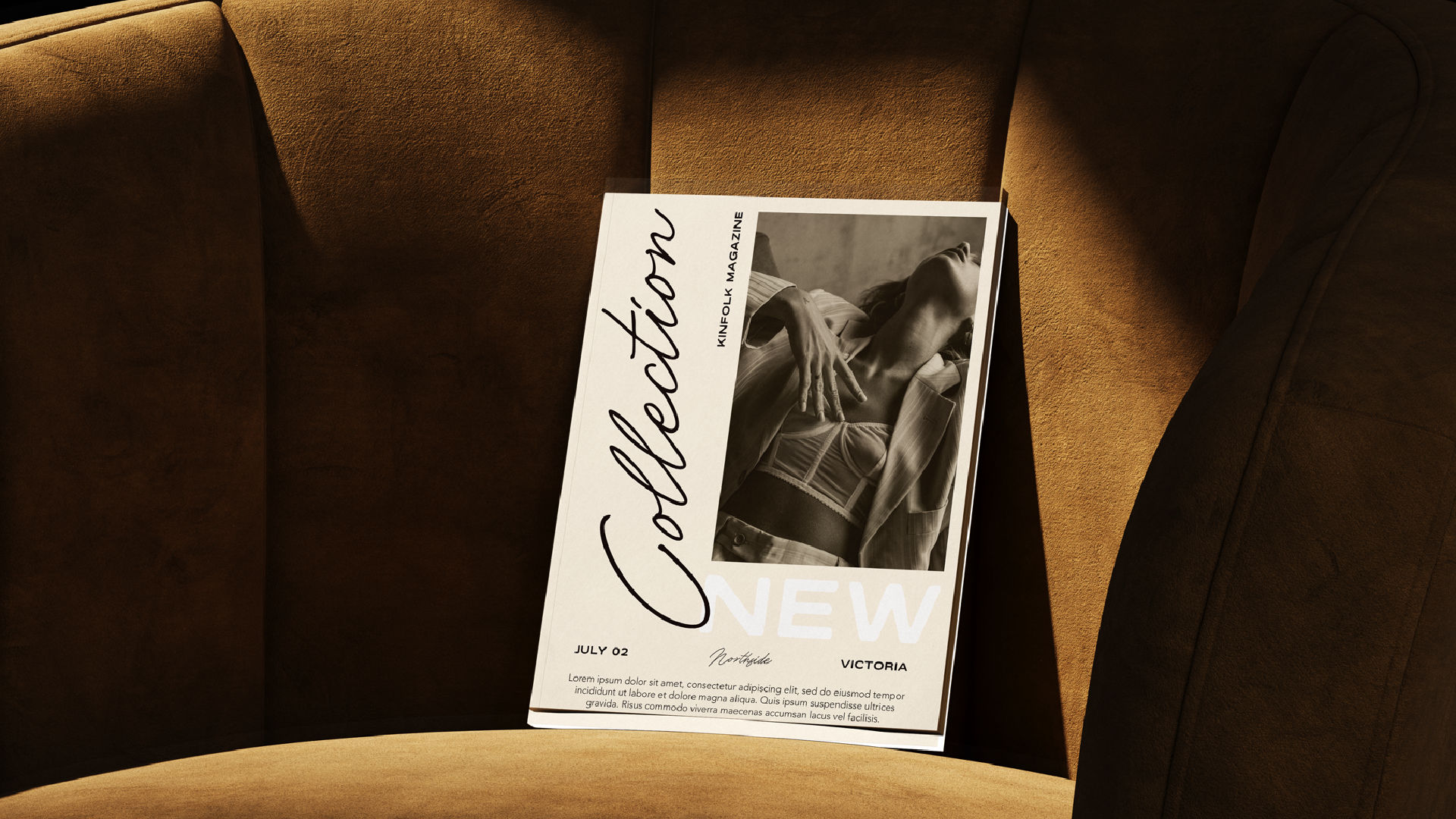
- Unique Visual Identity – Merging styles creates a signature look that can’t be replicated by simply pairing two separate fonts.
- Versatility – A hybrid typeface can carry both formal and playful tones, making it adaptable for various projects.
- Creative Freedom – Designers can break traditional rules to invent something entirely new.
Steps to Create a Hybrid Typeface
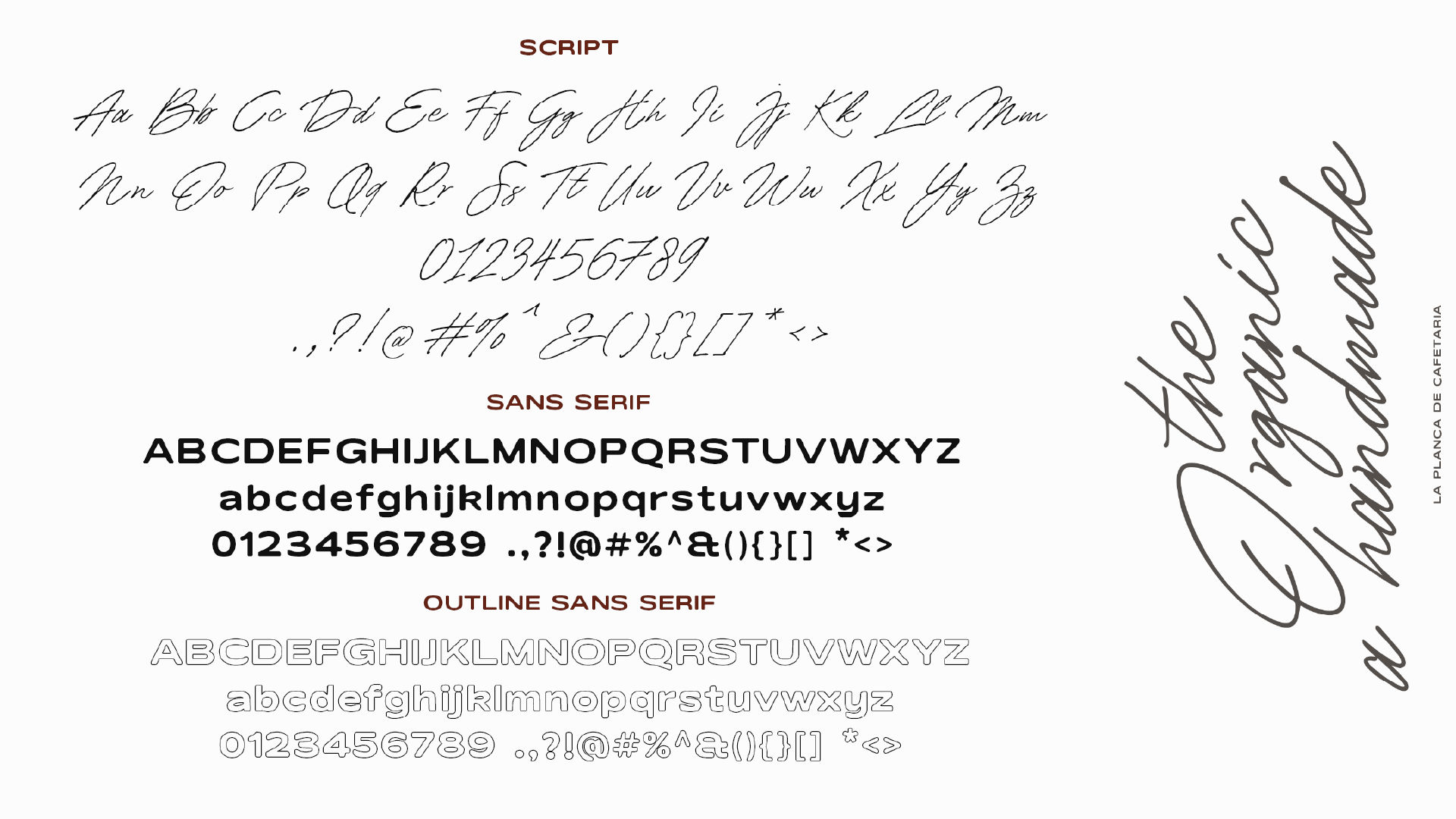
1. Choose Two Styles with Strong Personality
Start by selecting font styles with distinctive traits. For example:
- Serif + Script for elegance with personality
- Sans Serif + Blackletter for modern-meets-historical drama
- Geometric + Handwritten for minimalism with human warmth
2. Analyze the Anatomy of Each Style
Break down the fonts into their core anatomy—x-height, stroke contrast, terminal shapes, and spacing. Understanding these will help you blend them seamlessly.
3. Find the Balance
Hybrid typefaces shouldn’t feel like a “font fight.” Decide which style will dominate and which will complement. The goal is harmony, not chaos.
4. Sketch Before You Digitize
Hand-sketching allows you to experiment freely before committing to vector work in tools like FontLab, Glyphs, or Robofont.
5. Maintain Consistency in Core Metrics
Even if the styles differ, keep metrics like baseline, cap height, and x-height consistent to ensure readability.
6. Test in Context
Use your hybrid font in mockups—branding, headlines, posters—to see if it works in real-world scenarios. Adjust as needed.
Common Pitfalls to Avoid

- Overcomplication – Too many mixed elements can make your typeface visually noisy.
- Losing Functionality – Hybrid fonts must still be legible at various sizes.
- Ignoring Context – Not every hybrid font works for every brand or message.
Hybrid Typeface Inspiration

Some successful hybrids blend calligraphic swashes with geometric shapes or high-contrast serifs with blocky sans elements. Designers are even experimenting with variable fonts that can smoothly shift between the two styles, offering dynamic flexibility.
Final Thoughts
Creating a hybrid typeface is like composing music—you’re blending different tones, rhythms, and textures to create something entirely your own. Whether you’re designing for a bold brand identity or an experimental art project, a hybrid font can become the visual voice that makes your work unforgettable.