
Designing with Emotion: How to Create Fonts with Feminine, Masculine, or Nostalgic Themes
Designing with Emotion: How to Create Fonts with Feminine, Masculine, or Nostalgic Themes
Fonts do more than just communicate words—they evoke feelings, set tones, and tell stories. Whether you’re designing a soft feminine script, a bold masculine slab serif, or a typeface dripping with nostalgic vibes, the emotional undertone of your font can dramatically influence how people connect with your work.
In this article, we’ll break down how to intentionally craft fonts that express specific emotional themes such as femininity, masculinity, and nostalgia.
1. Understanding Emotional Themes in Typography
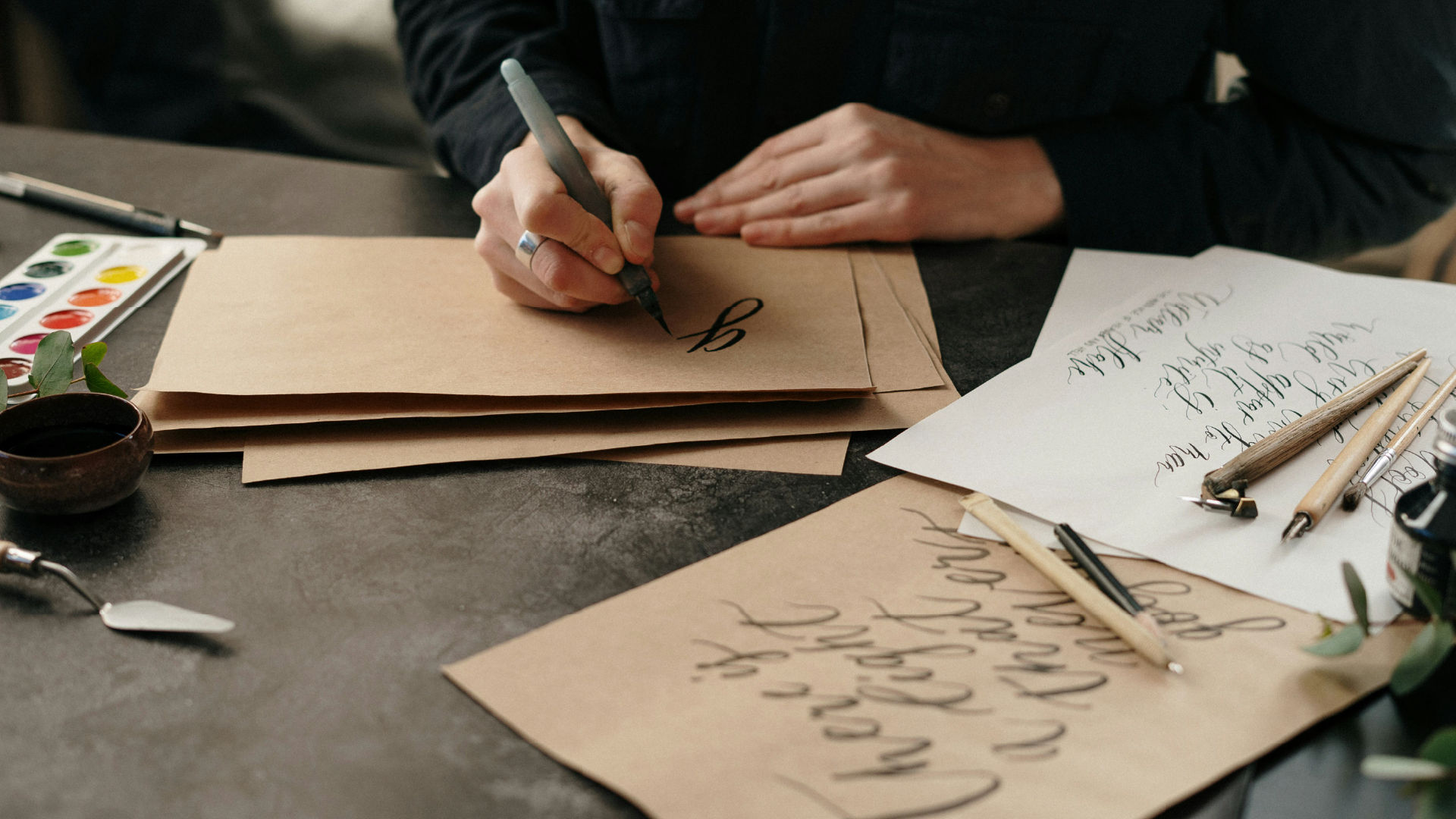
Before sketching a single glyph, start with emotional clarity. Ask yourself:
- What emotion do I want this font to evoke?
- What era, culture, or feeling does the theme relate to?
- What visual characteristics are commonly associated with that emotion?
This conceptual foundation will guide your design decisions and help maintain consistency throughout the font family.
2. Designing a Feminine Font
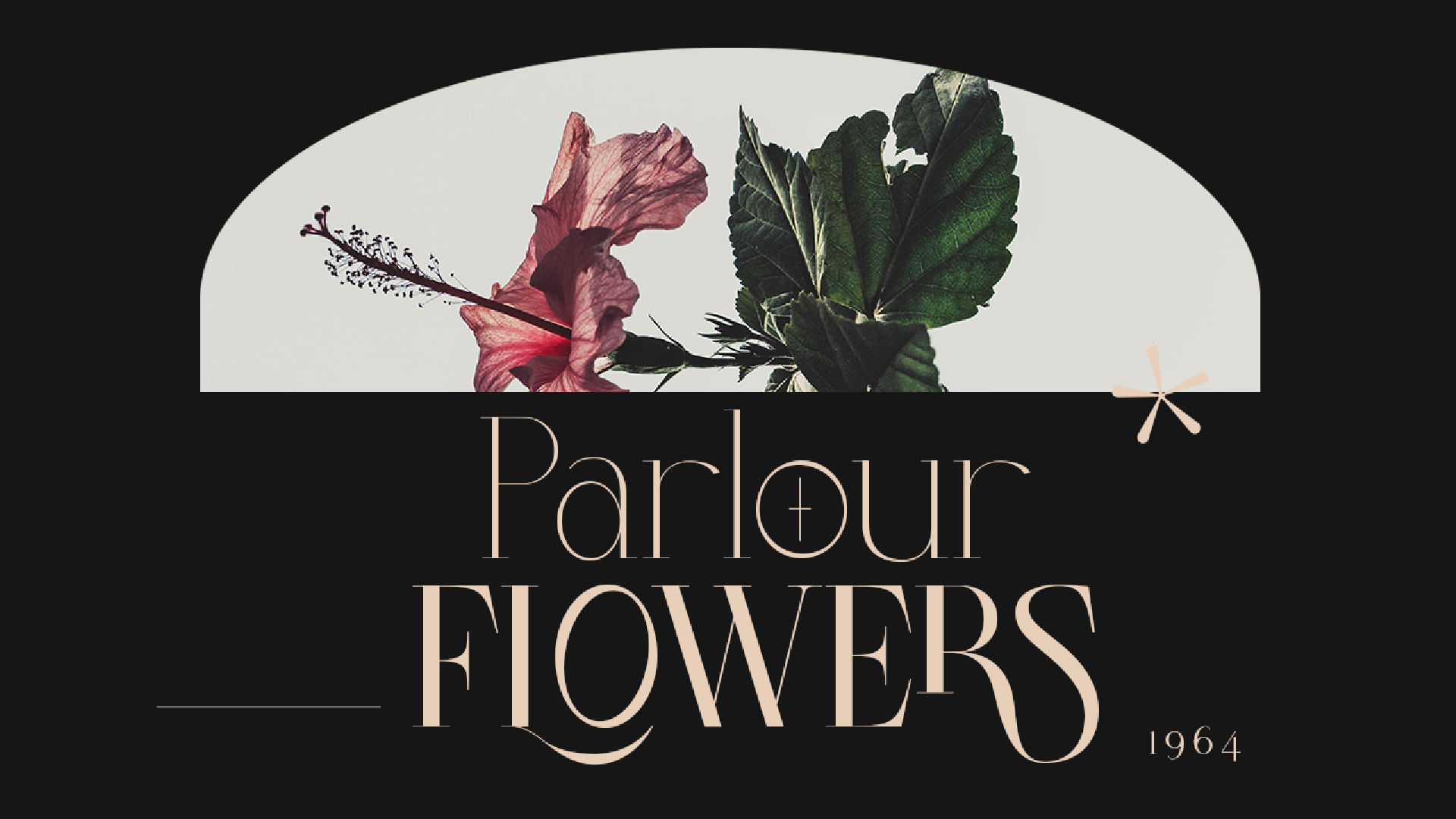
Feminine fonts often evoke softness, elegance, and warmth. They are commonly used in beauty, lifestyle, and fashion branding.
Design cues:
- Form: Curved strokes, fluid lines, calligraphic or script-inspired structures
- Weight: Light to medium; delicate lines often suggest grace
- Details: Swashes, loops, and high contrast in strokes
- Letterspacing: Slightly wider to enhance airiness and elegance
Font Inspiration: Colibre by Jolicia Type – A modern feminine typeface that balances delicacy with readability.
3. Designing a Masculine Font
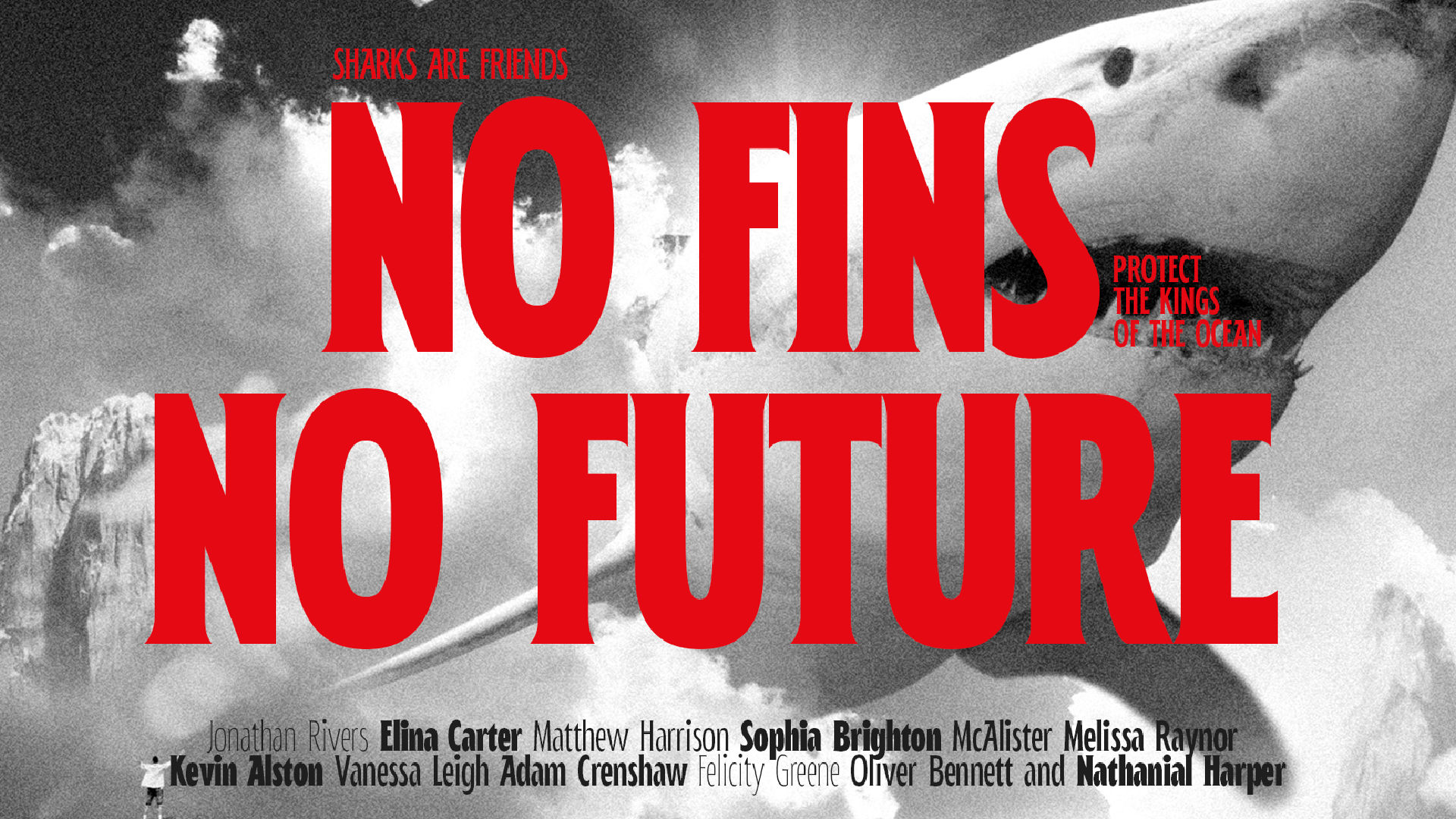
Masculine fonts exude strength, authority, and structure. Think of fonts used in automotive branding, sports, or editorial headlines.
Design cues:
- Form: Strong geometric or rectangular shapes
- Weight: Medium to bold, often with low stroke contrast
- Details: Sharp terminals, tight spacing, minimal decoration
- Serifs vs. Sans: Slab serifs and sturdy sans-serifs work well
Font Inspiration: Patimura Condensed – A surreal, bold typeface ideal for strong headline presence.
4. Creating a Nostalgic Font
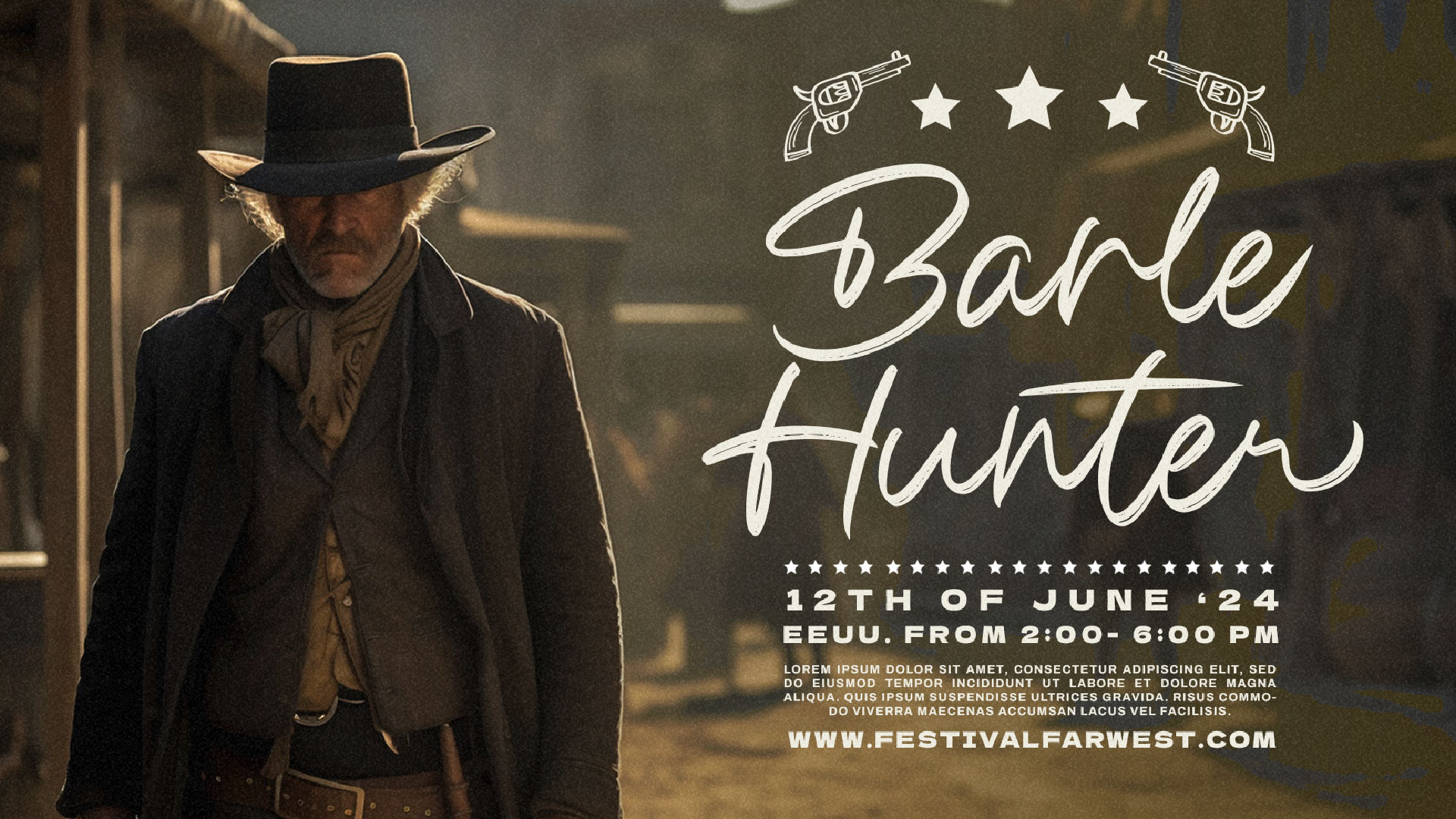
Fonts that evoke nostalgia often reference specific eras—1970s psychedelia, 90s grunge, or early 20th-century typewriter aesthetics.
Design cues:
- Historical references: Study typography styles from the target era
- Texture: Imperfections, ink bleed, or rough edges enhance the vintage feel
- Decorative elements: Ligatures, stylistic alternates, and period-specific flourishes
- Color pairing: Pastel or sepia palettes can enhance nostalgic presentation
Font Inspiration: Madison Bright – A brush typeface inspired by retro handwritten signs.
5. Technical Considerations
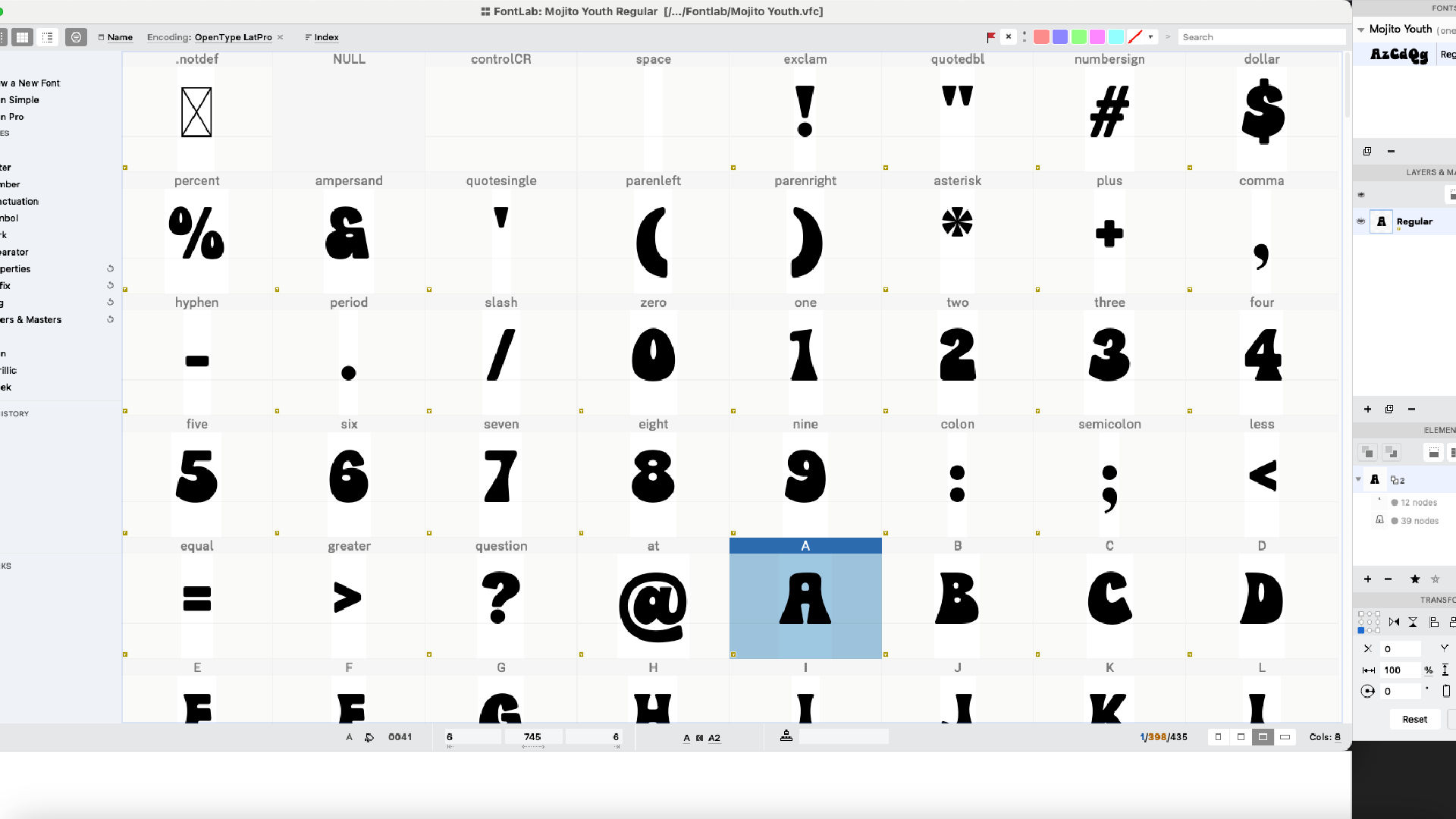
- Glyph Set: Include stylistic alternates and ligatures to increase emotional range
- Kerning & Spacing: Emotion is felt in rhythm—adjust spacing carefully
- Variable Fonts: Offer flexibility between moods (e.g., from soft to bold)
6. Testing the Emotional Impact
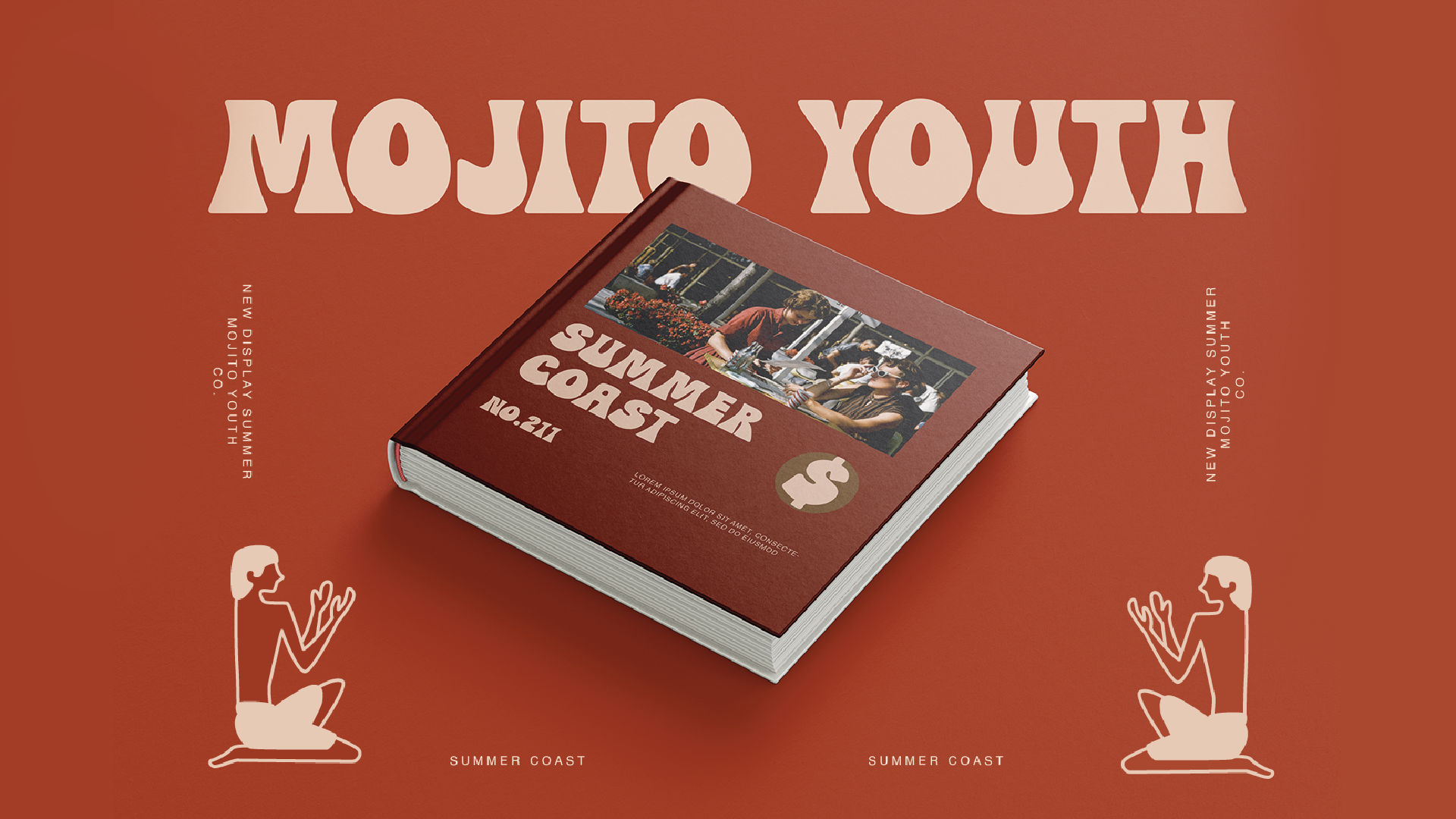
Once your font is ready, test it in realistic use cases:
- Design mockups (packaging, posters, logos)
- Show side-by-side comparisons with different emotional fonts
- Get feedback from users or branding professionals
Ask: Does this font feel like the emotion it’s meant to express?
Conclusion
Creating emotionally-driven fonts is about more than aesthetics—it’s about connection. By understanding the visual language of emotion and applying it with intention, your fonts can move beyond function into the realm of feeling.
So whether you’re crafting the next soft script for a bridal brand or a bold display type for an indie music label, start with the heart—and let the forms follow.