
Understanding Old Style Serif Fonts: The Timeless Elegance of Tradition
Understanding Old Style Serif Fonts: The Timeless Elegance of Tradition
In the vast landscape of type design, few styles have endured the test of time quite like Old Style Serif fonts. Rooted in the Renaissance period, these typefaces embody a balance between calligraphic warmth and structural clarity. Whether you’re a graphic designer, brand strategist, or typography enthusiast, understanding Old Style serifs can enhance your appreciation for type and improve your design decisions.
What Are Old Style Serif Fonts?
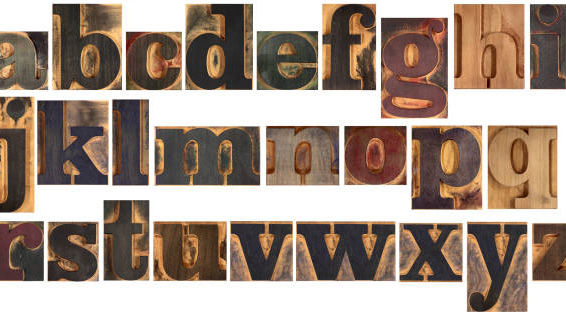
Old Style Serif fonts are among the earliest serif typefaces, inspired by the handwriting of scribes and early Roman inscriptional lettering. These fonts were first developed in the 15th and 16th centuries, with pioneers like Nicolas Jenson and Claude Garamond setting the foundation for what we now call Old Style.
Key Characteristics
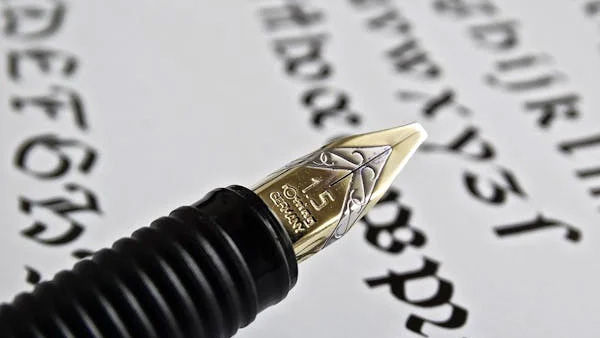
Old Style serifs are distinct for several reasons:
- Low Contrast: The difference between thick and thin strokes is subtle, making the text appear more organic and balanced.
- Angled Stress: The axis of rounded letters like “o” typically leans diagonally, reflecting the influence of calligraphy.
- Bracketed Serifs: The serifs curve smoothly into the main strokes, offering a softer, more humanistic feel.
- Modest x-height: These fonts usually have smaller lowercase heights relative to their capitals, enhancing vertical rhythm and elegance.
Popular Old Style Serif Fonts
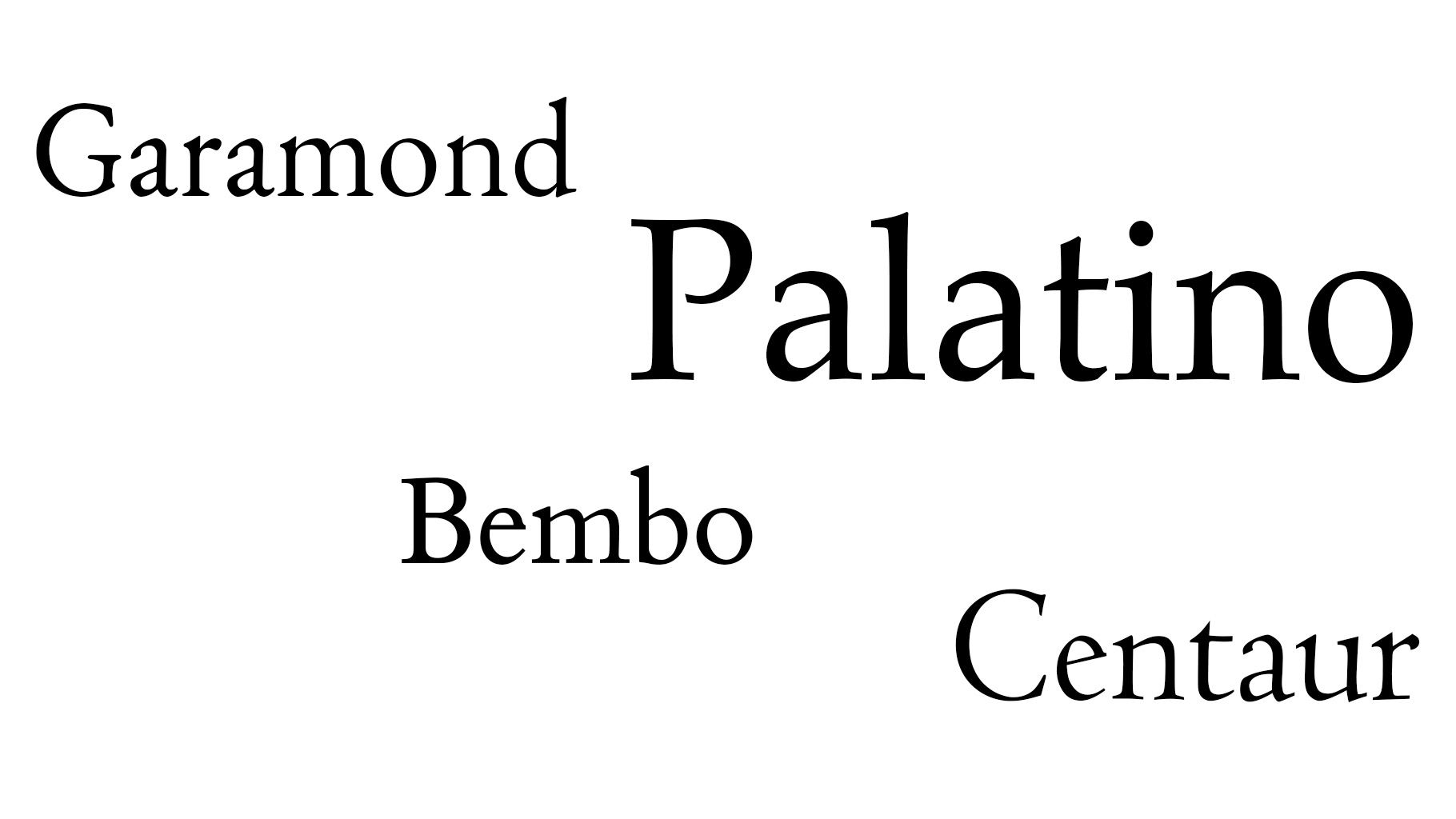
- Garamond: Elegant and highly readable, Garamond is often used in books, academic texts, and luxury branding.
- Bembo: Known for its classic proportions, Bembo brings warmth and dignity to the page.
- Palatino: A more modern adaptation with slightly higher contrast and broader strokes, Palatino remains widely used in both print and digital media.
- Centaur: Inspired by Renaissance humanist types, Centaur is revered for its sophistication and grace.
Where and When to Use Them

Old Style serifs excel in settings where tradition, refinement, and readability are valued:
- Book design and publishing
- Luxury branding and editorial layouts
- Historical or cultural content
- Formal invitations and certificates
These fonts are especially effective in printed works, where their subtle detailing can shine without the constraints of screen resolution.
Why Designers Still Love Old Style Serif Fonts
Despite the rise of sans-serifs and modernist aesthetics, Old Style serifs have never lost relevance. They provide a sense of trustworthiness, heritage, and warmth that no other style can fully replicate. Their timeless elegance makes them an ideal choice for projects that demand both sophistication and clarity.
Conclusion
Old Style Serif fonts are more than just a nod to the past—they’re a bridge between the handwritten traditions of our history and the typographic precision of today. By understanding their features and legacy, designers can craft compositions that are not only beautiful but deeply rooted in typographic heritage.