
How Font Choice Influences Brand Identity
How Font Choice Influences Brand Identity
Fonts are more than just a tool for displaying words — they are an essential element of brand storytelling. The right font can express a company’s personality, values, and even its promise to customers, while the wrong font can confuse or repel audiences. In this article, we’ll dive into the deep connection between typography and brand identity, and why designers must pay careful attention when selecting typefaces.
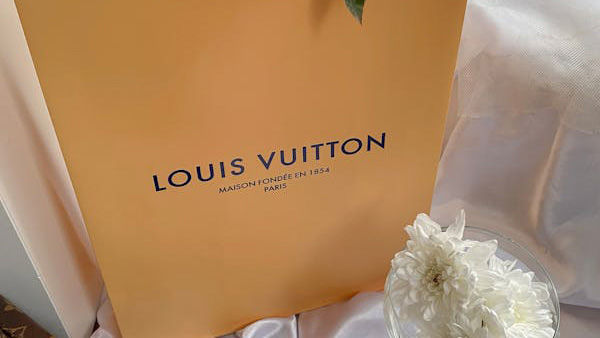
Why Typography is Critical for Brands
Typography acts as a visual voice for brands. Even before someone reads the first word, the style of the text already communicates something subconsciously. Serif fonts, for instance, often convey tradition, authority, and trustworthiness, while sans-serif fonts project modernity, cleanliness, and innovation.
Typography helps:
- Shape perception (Is this brand friendly, serious, luxurious, etc.?)
- Create memorability (A distinctive font makes the brand easier to recognize)
- Establish consistency (Reinforces brand coherence across platforms)
- Influence emotional response (People emotionally react to shapes and styles)

Key Aspects of Fonts That Affect Brand Identity
1. Font Style
- Serif: Traditional, formal, elegant (e.g., luxury brands, financial institutions)
- Sans-serif: Modern, clean, minimalistic (e.g., tech companies, startups)
- Script: Creative, personal, expressive (e.g., boutique brands, weddings)
- Display: Bold, unique, attention-grabbing (e.g., entertainment, sports brands)
Each style immediately sends a different message. Choosing the wrong style can create a disconnect between brand and audience.
2. Font Weight and Width
Thicker fonts feel strong and authoritative; lighter fonts feel delicate and refined. Condensed fonts create a sense of urgency or economy, while wide fonts feel expansive and bold.
3. Character Shape
Rounded fonts feel softer and more approachable, while sharp fonts feel energetic, edgy, and professional. Slight design details — like a sharp “A” or a bubbly “O” — can subtly shift a brand’s tone.
4. Legibility and Readability
A beautiful but illegible font hurts a brand’s ability to communicate. Fonts must balance beauty with functionality, especially across different media (print, web, mobile).
5. Cultural Relevance
Typography carries different meanings across cultures. What feels formal in Western markets might feel playful elsewhere. Always consider localization when designing for global brands.
How Successful Brands Use Typography
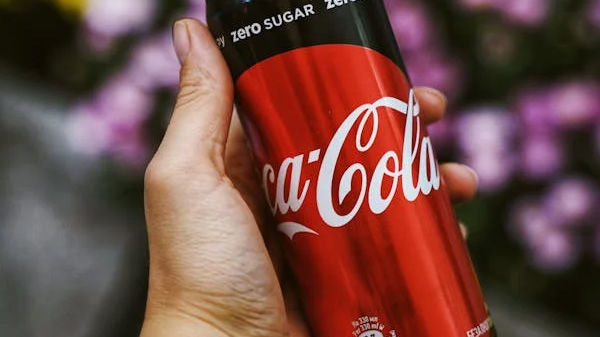
– Coca-Cola
Coca-Cola’s iconic flowing script font emphasizes tradition, warmth, and connection — all values that align with its brand promise of happiness and sharing.
Google’s choice of a simple, friendly sans-serif font underlines its identity as approachable, innovative, and user-first.
– Vogue
Vogue’s elegant high-contrast serif font instantly communicates sophistication, authority, and exclusivity, matching its high-fashion content.
Practical Tips for Designers
- Define Brand Personality First: Before choosing a font, clearly define the brand’s character (e.g., fun, sophisticated, serious).
- Test Fonts in Context: Always mock up fonts on real brand materials like websites, packaging, and ads.
- Limit Font Choices: Most brands succeed with a primary font and one supporting font (for contrast).
- Check Licensing: Ensure the font license matches the brand’s commercial use case.
- Create Typography Guidelines: Standardize usage for headlines, body text, and other elements to maintain brand consistency.
Mistakes to Avoid
- Using trendy fonts that will feel dated within a year.
- Mixing too many font families, causing visual chaos.
- Prioritizing aesthetics over readability.
- Ignoring cross-platform adaptability.
The Future of Branding and Fonts
With brands becoming more digital and dynamic, the future of typography will involve:
- Variable fonts for flexible design.
- Motion typography for interactive experiences.
- Custom typefaces crafted specifically to represent a unique brand DNA.
Investing in the right typography now can future-proof a brand’s visual identity for years to come.
Conclusion
Fonts are silent ambassadors of your brand. They tell stories without words, build emotional connections, and shape how audiences perceive a brand’s soul. As a graphic designer, mastering the art of font selection can elevate your designs — and your client’s brands — to powerful new heights.
Remember: a font is not just what you see; it’s what you feel. Choose wisely.