
Minimalist UI: Why “Less Is More” Is the Future of Digital Design
Minimalist UI: Why “Less Is More” Is the Future of Digital Design
Introduction
In today’s fast-scrolling digital world, attention is currency. Users decide within seconds whether to stay on a website or leave. This is where Minimalist UI shines. Rooted in the philosophy of “less is more,” minimalist design removes unnecessary elements and focuses on clarity, functionality, and purpose.
Minimalism in user interface design is not about emptiness — it is about intentional design. Every element must earn its place. The result? Faster navigation, stronger visual impact, and better user engagement.
What Is Minimalist UI?
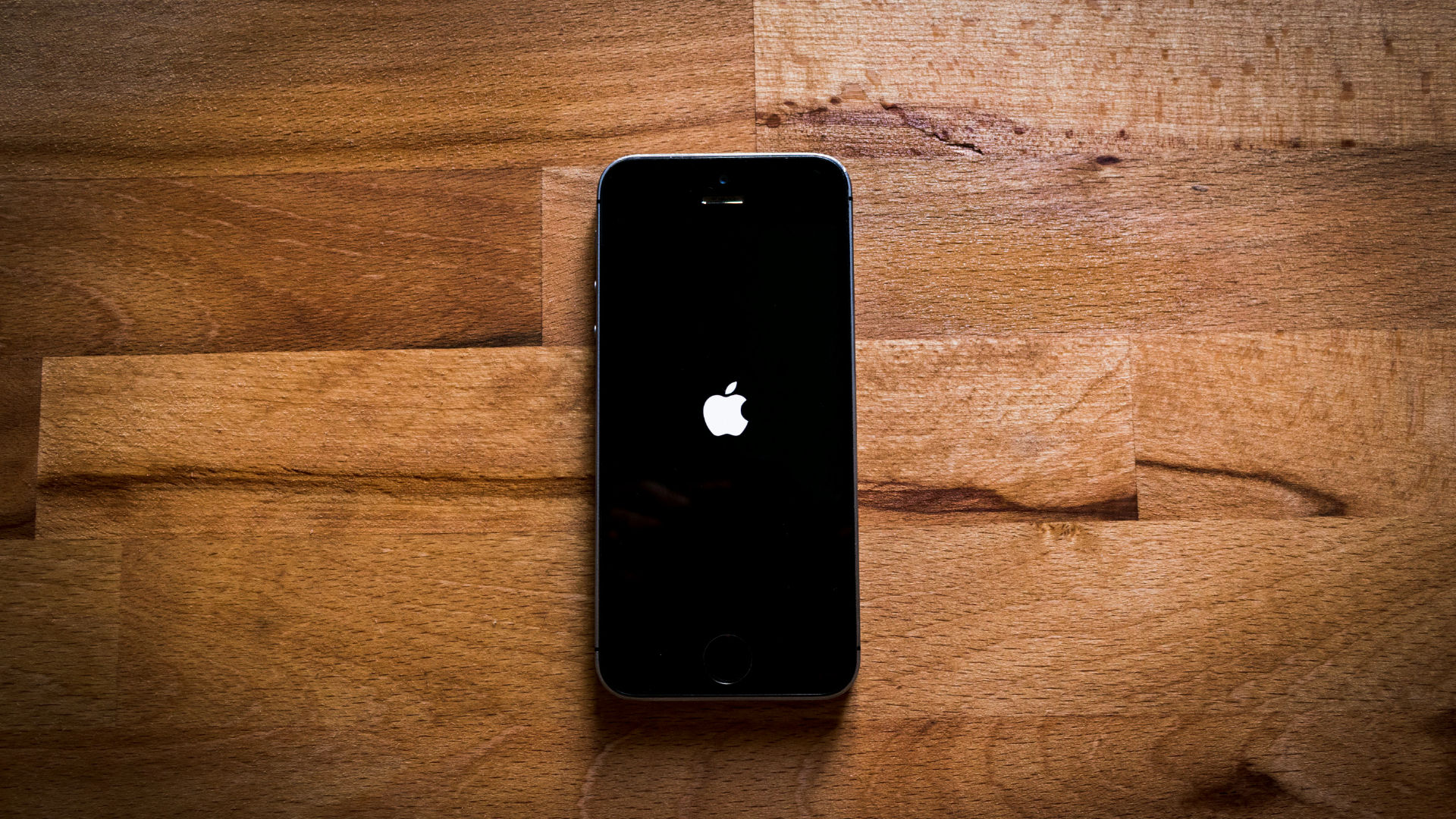
Minimalist UI is a design approach that prioritizes simplicity by reducing visual clutter. It emphasizes:
- Clean layouts
- Ample white space
- Limited color palettes
- Clear typography
- Essential content only
Instead of overwhelming users with features, animations, and decorative elements, minimalist design highlights what truly matters.
The Core Principle: “Less Is More”
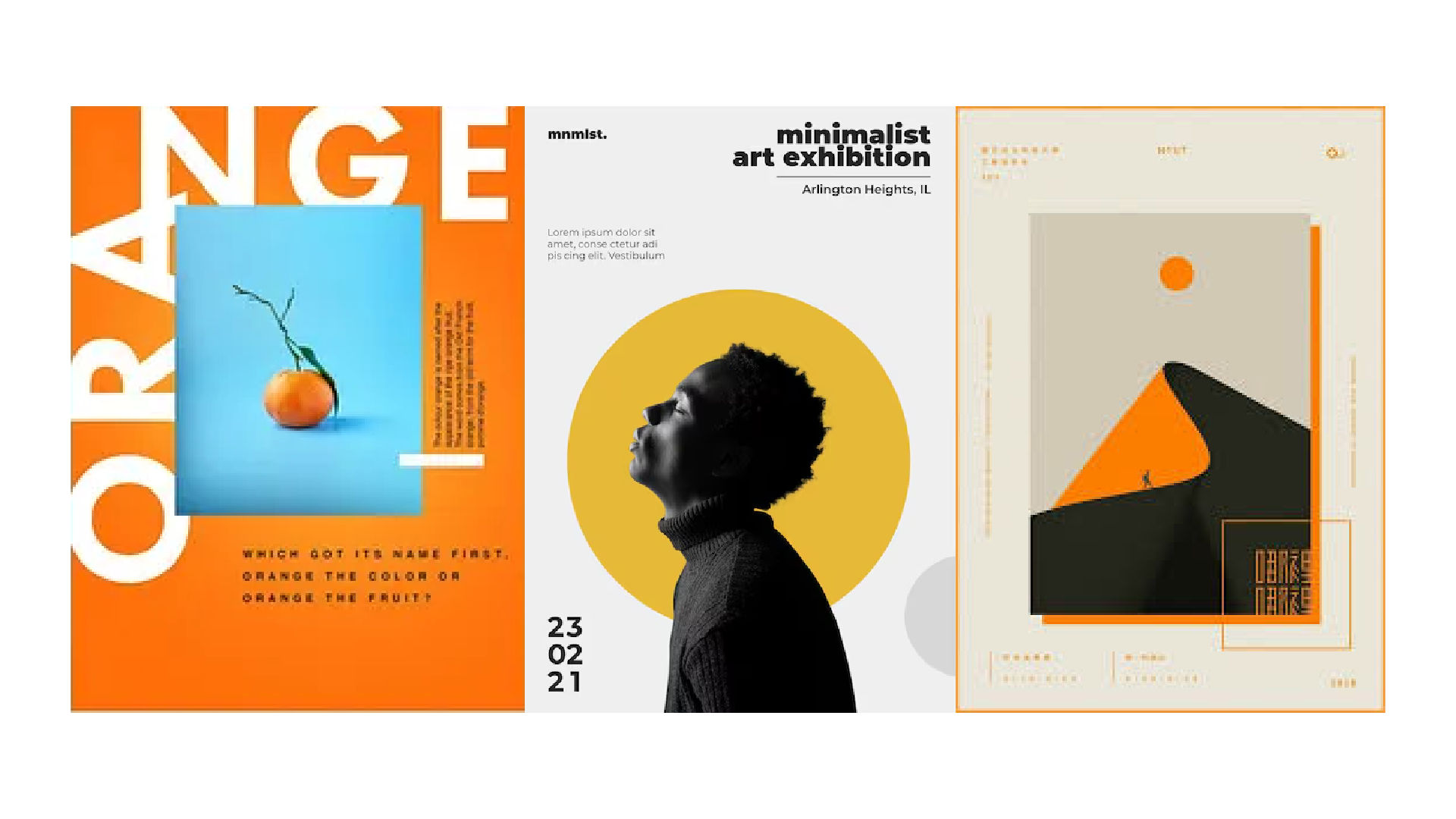
The phrase “less is more” represents the idea that simplicity can create greater impact. In UI design, this means:
- Fewer distractions = clearer focus
- Fewer elements = stronger hierarchy
- Fewer decisions = better usability
When users don’t have to think too much about where to click or what to read, the experience feels seamless and intuitive.
Why Minimalist UI Works
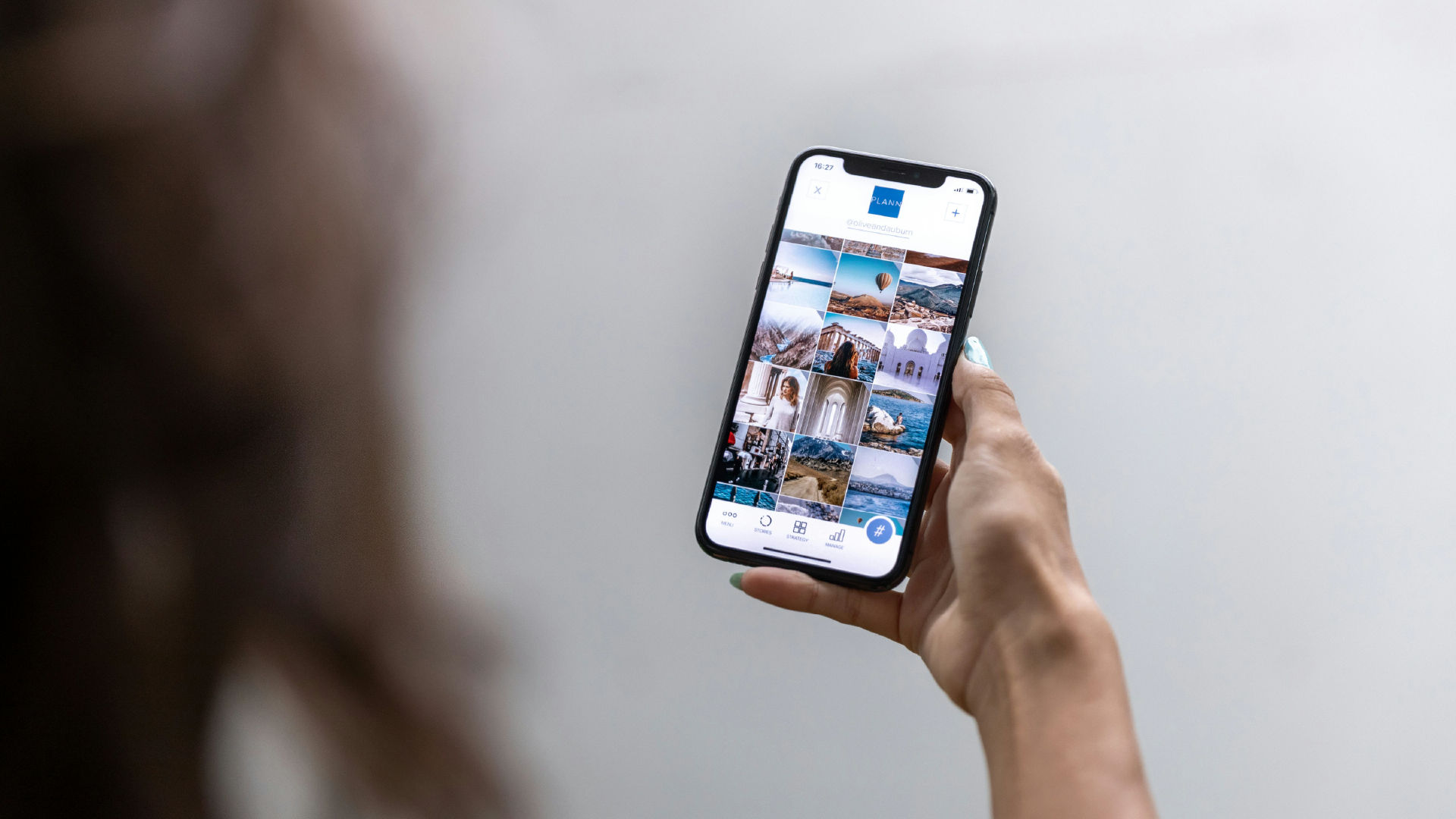
1. Improved User Experience
A cluttered interface forces users to process too much information at once. Minimalist UI reduces cognitive load, making navigation easier and more enjoyable.
2. Faster Loading Times
Fewer visual elements, heavy graphics, and unnecessary scripts mean better performance. Speed directly impacts user satisfaction and SEO rankings.
3. Stronger Visual Hierarchy
Minimalist design relies heavily on spacing, typography, and contrast. This creates a natural flow that guides users’ attention from the most important element to the least.
4. Timeless Aesthetic
Trendy designs fade. Clean, simple interfaces remain relevant for years. Minimalist UI avoids over-decoration, making it more sustainable in the long run.
Key Elements of Minimalist UI
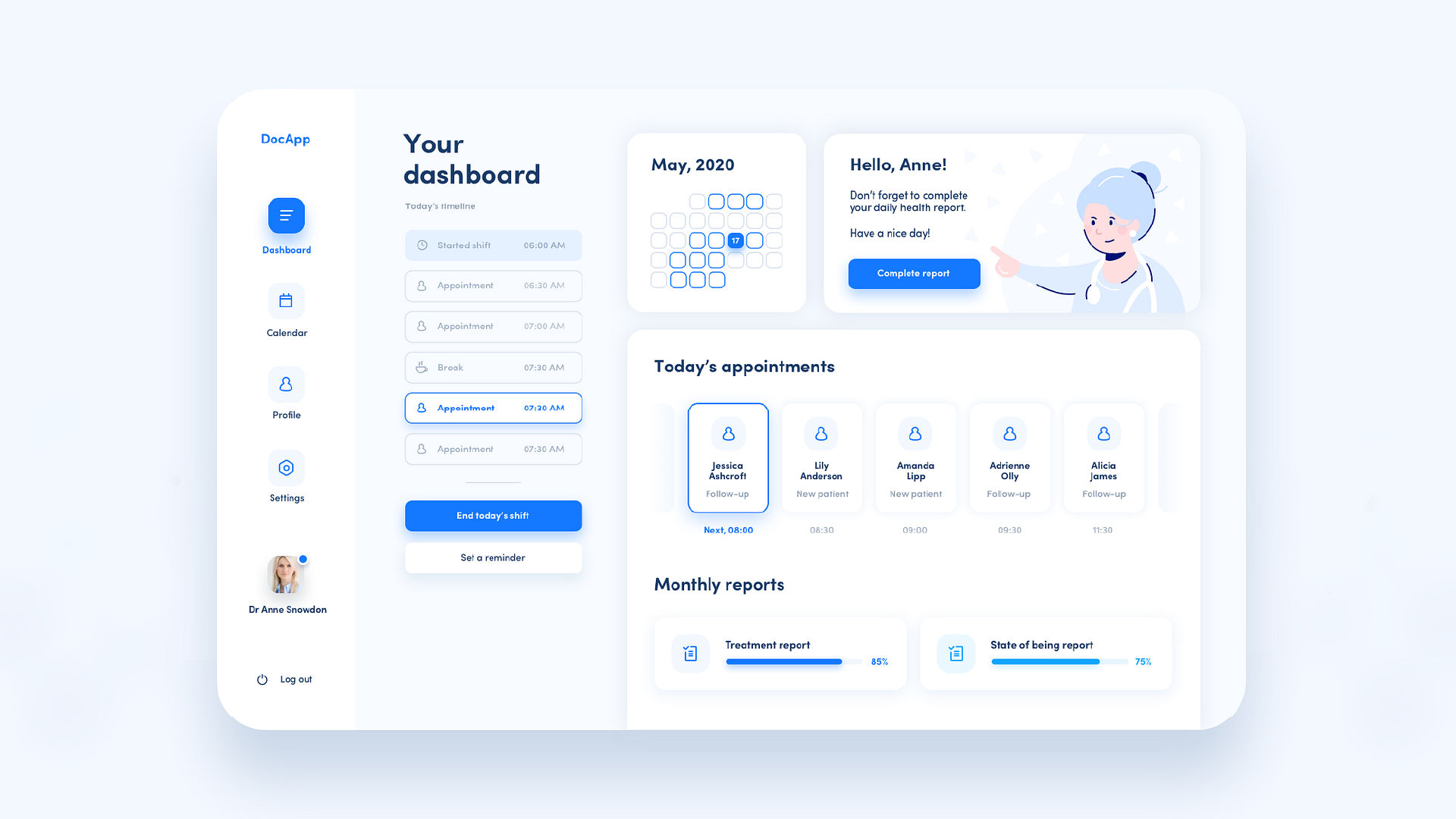
1. White Space
White space (or negative space) is not empty space — it is breathing room. It enhances readability and highlights key elements.
2. Typography as a Hero
With fewer decorative elements, typography becomes central. Clear, well-chosen fonts help communicate tone and brand identity effectively.
3. Limited Color Palette
Using fewer colors creates consistency and focus. Often, minimalist designs rely on neutral tones with one accent color for emphasis.
4. Functional Design
Every button, image, and icon must serve a purpose. If it doesn’t add value, it doesn’t belong.
Common Misconceptions
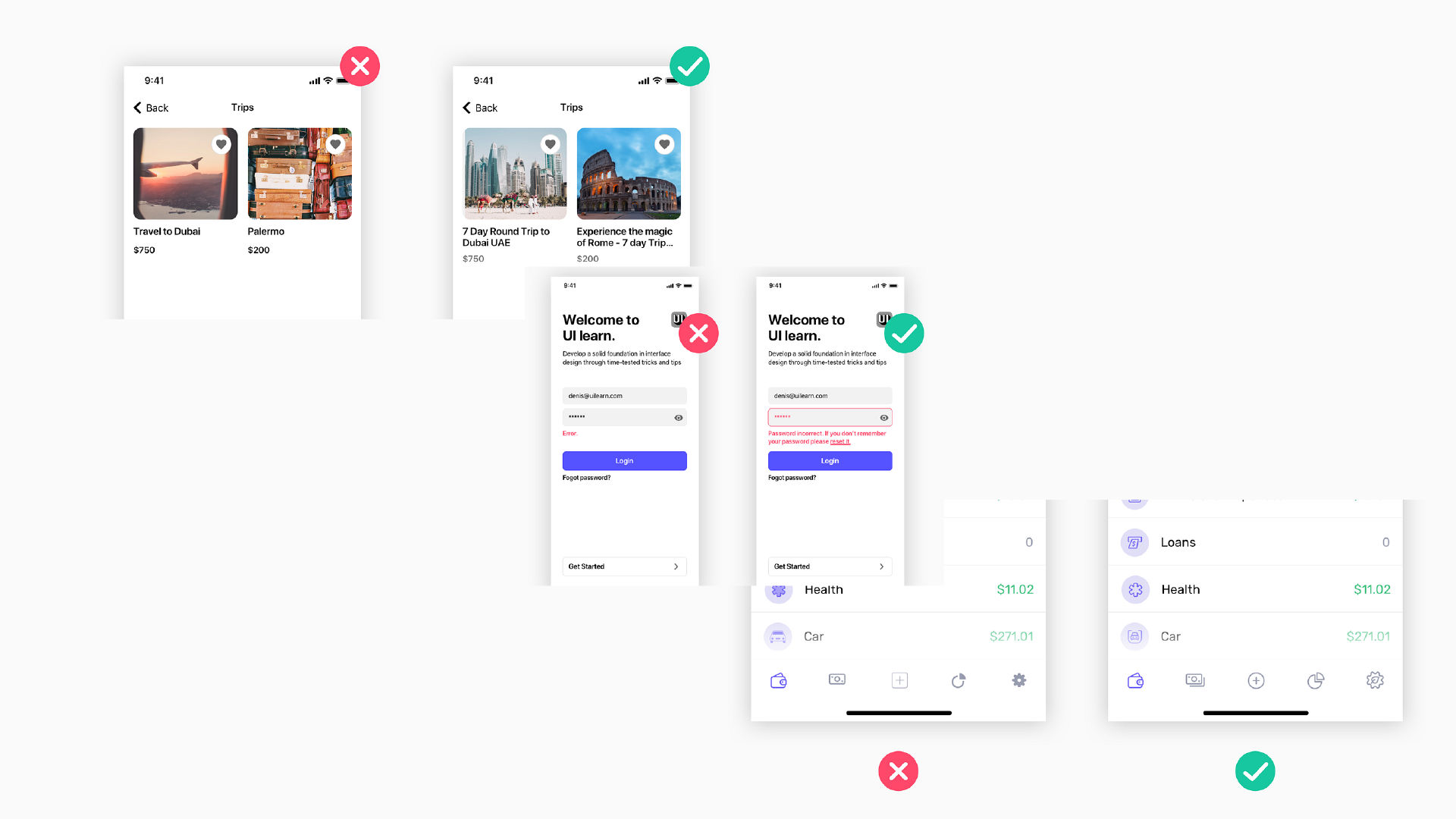
Minimalist UI is often misunderstood as “too simple” or “boring.” In reality, simplicity requires more strategic thinking. Removing elements demands clarity of purpose and careful design decisions.
Minimalism is not about removing personality. It is about expressing personality with precision.
When to Use Minimalist UI
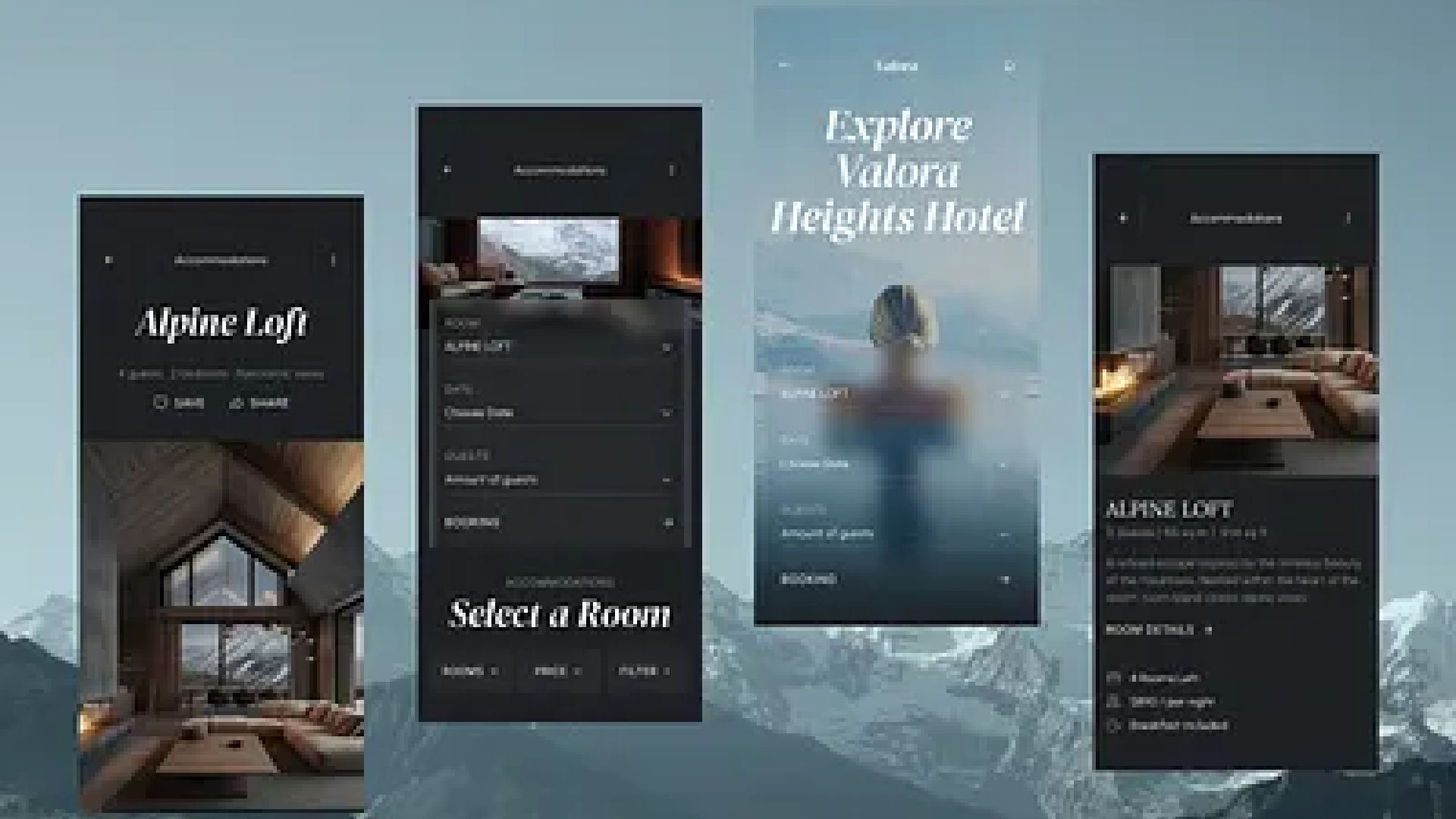
Minimalist UI works especially well for:
- Portfolio websites
- Luxury brands
- SaaS platforms
- Editorial layouts
- Product landing pages
However, it must be balanced with usability. Over-simplification can sometimes hide important information. The key is thoughtful reduction, not elimination.
The Psychological Advantage

Minimalist design reduces decision fatigue. When users see fewer options, they feel more confident making choices. This leads to:
- Higher conversion rates
- Longer session durations
- Increased trust
Clarity builds confidence. Confidence builds action.
Conclusion
Minimalist UI proves that simplicity is powerful. By removing excess and focusing on purpose, designers create interfaces that are not only visually appealing but also highly functional.
“Less is more” is not just a design trend — it is a philosophy that aligns with how humans think, process, and interact in the digital world.
In a landscape filled with noise, simplicity stands out.