
The Art of Typography: Unlocking the Secrets of Baseline and X-Height
The Art of Typography: Unlocking the Secrets of Baseline and X-Height
Why Baseline and X-Height Matter in Type Design
When you look at a well-crafted typeface, you might admire its style, curves, or serifs. But behind every beautiful letterform lies an invisible structure: the baseline and x-height. These two elements play a vital role in defining a font’s character and readability, yet they often go unnoticed by casual observers.
What Is the Baseline?
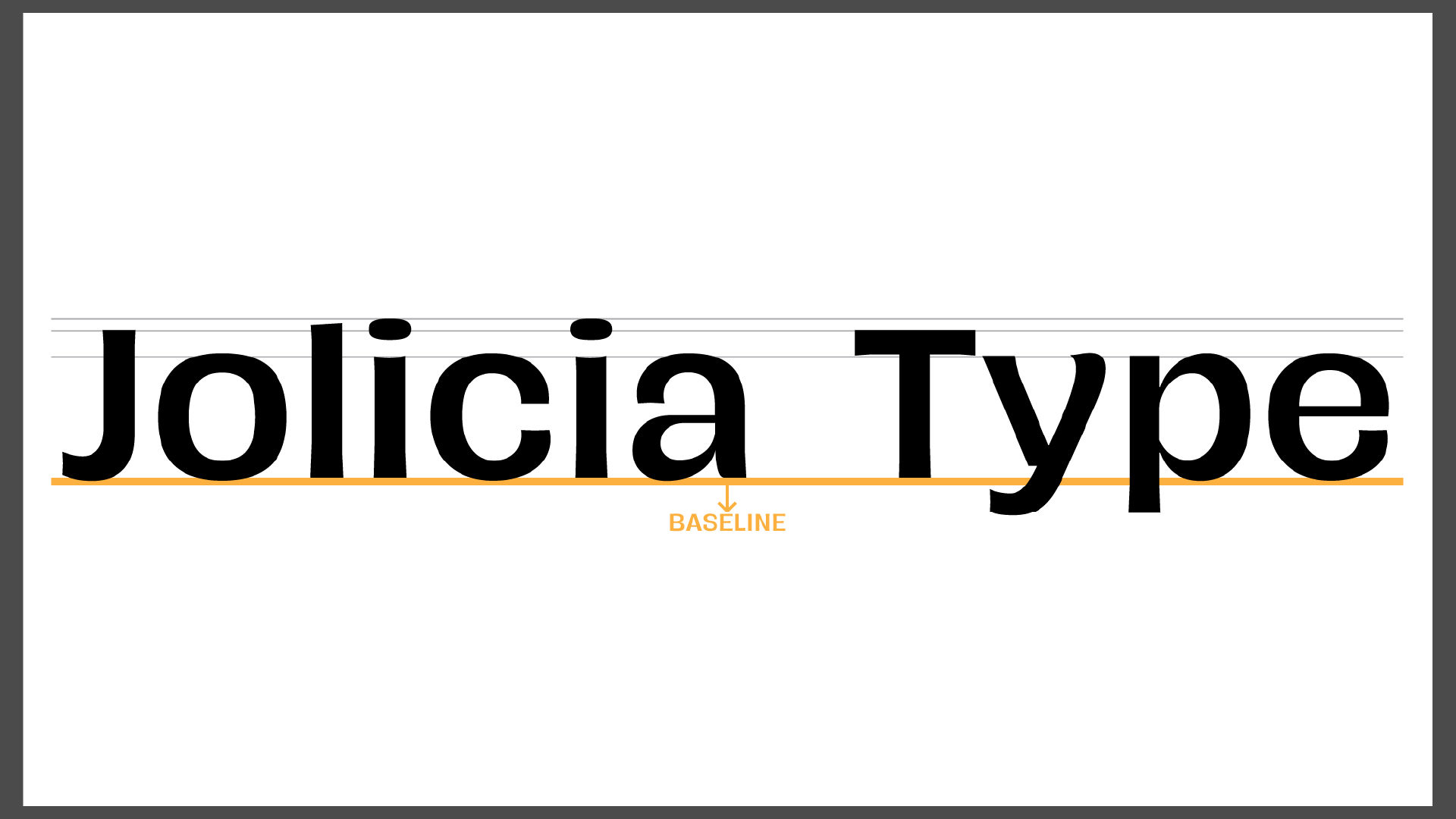
The baseline is the invisible line upon which most letters “sit.” It’s the foundation of any typeface, providing a consistent reference point for letter alignment. Without a clear baseline, letters would appear to float or sink, disrupting the visual rhythm of a text block.
Why it matters:
- Ensures consistent alignment across all letters.
- Helps designers maintain vertical balance.
- Affects how type interacts with other design elements (like grids or images).
What Is the X-Height?
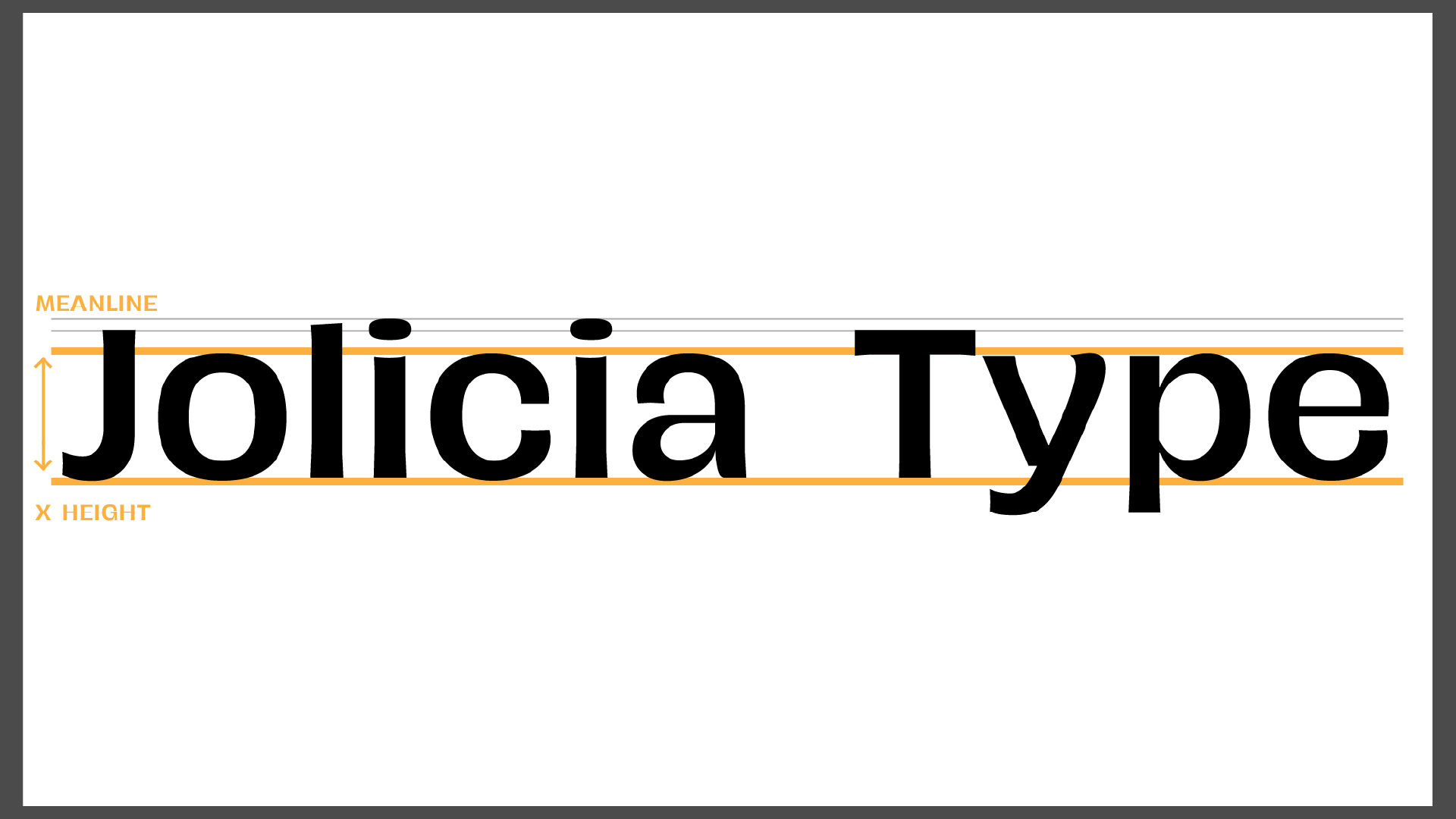
The x-height refers to the height of lowercase letters, specifically measured from the baseline to the top of the letter “x.” It influences how large or small a font appears at the same point size.
Why it matters:
- Impacts readability—typefaces with larger x-heights are often easier to read at small sizes.
- Creates visual personality—fonts with small x-heights often look more elegant, while larger ones look more modern and friendly.
- Affects letter spacing and the overall color of a text block.
How Baseline and X-Height Work Together
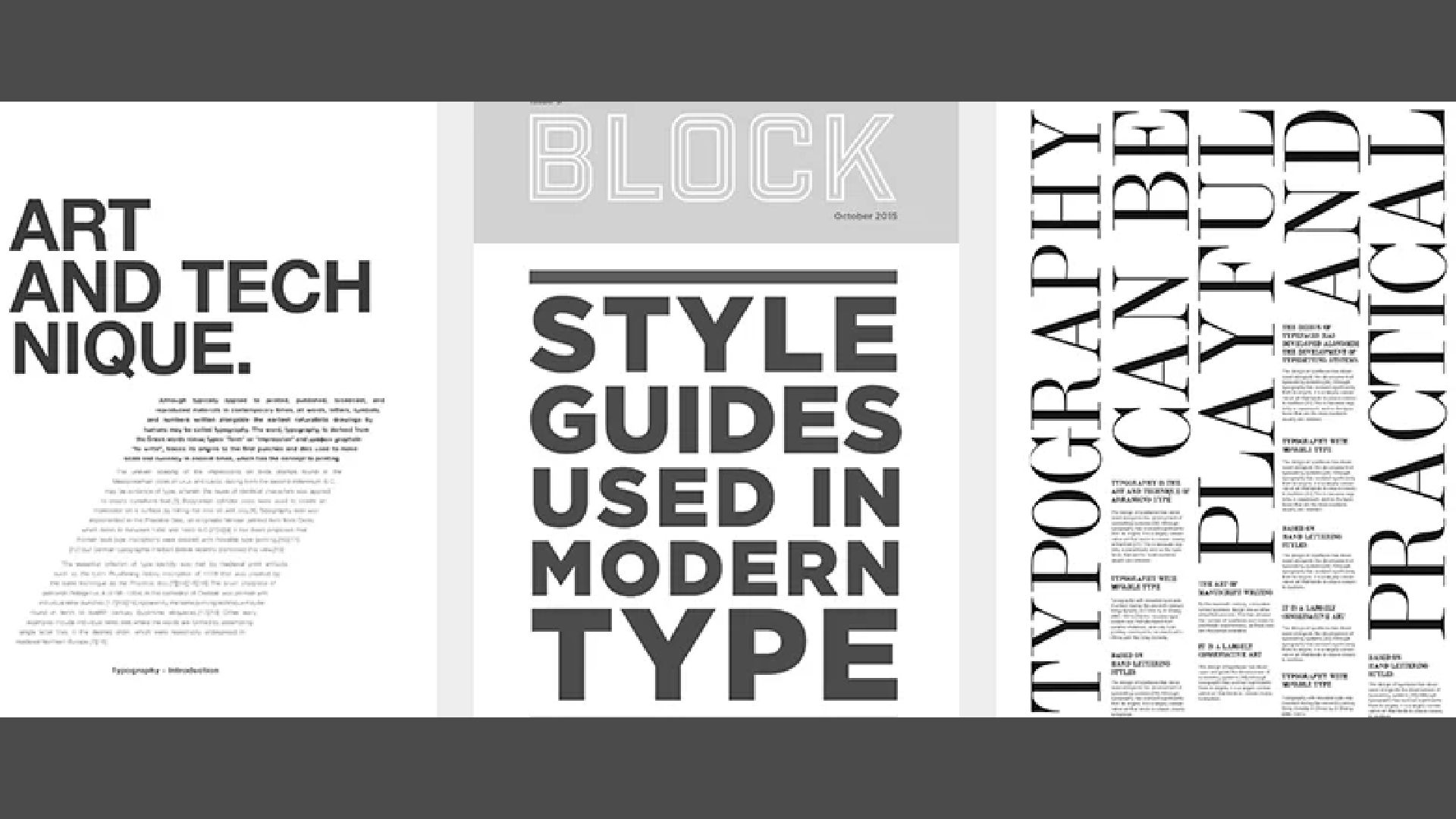
The interplay between baseline and x-height defines the “visual weight” of a font. For instance, a font with a high x-height might look bolder and more approachable, whereas a low x-height can make a typeface feel refined and formal. Proper baseline alignment ensures that letters with descenders (like “g,” “y,” or “p”) and ascenders (like “h” or “l”) harmonize with the rest of the text.
Tips for Designers
- Choose the right x-height for your project: If you need maximum legibility—like for UI or small print—opt for larger x-heights.
- Respect the baseline grid: Aligning type to a baseline grid ensures professional, clean layouts.
- Test across sizes: A font with a good balance of baseline and x-height will maintain clarity whether displayed large or small.
Conclusion
The baseline and x-height may not be the first things you notice in a typeface, but they’re the unsung heroes behind every successful design. By understanding and leveraging these elements, you can create typography that is not only visually stunning but also functional and highly readable.