
The Hidden Voice of Fonts: How Typefaces Speak Without Words
The Hidden Voice of Fonts: How Typefaces Speak Without Words
When you read a message, you’re not just processing words — you’re also hearing a “voice” in your head. But here’s the twist: the voice isn’t always from the content itself. Sometimes, it’s from the typeface.
In typography, “voice” refers to the emotional tone or personality a typeface conveys. Just like a human voice can be calm, assertive, playful, or formal, fonts have their own unique sound—without ever making a sound.
What Does a Typeface’s Voice Mean?
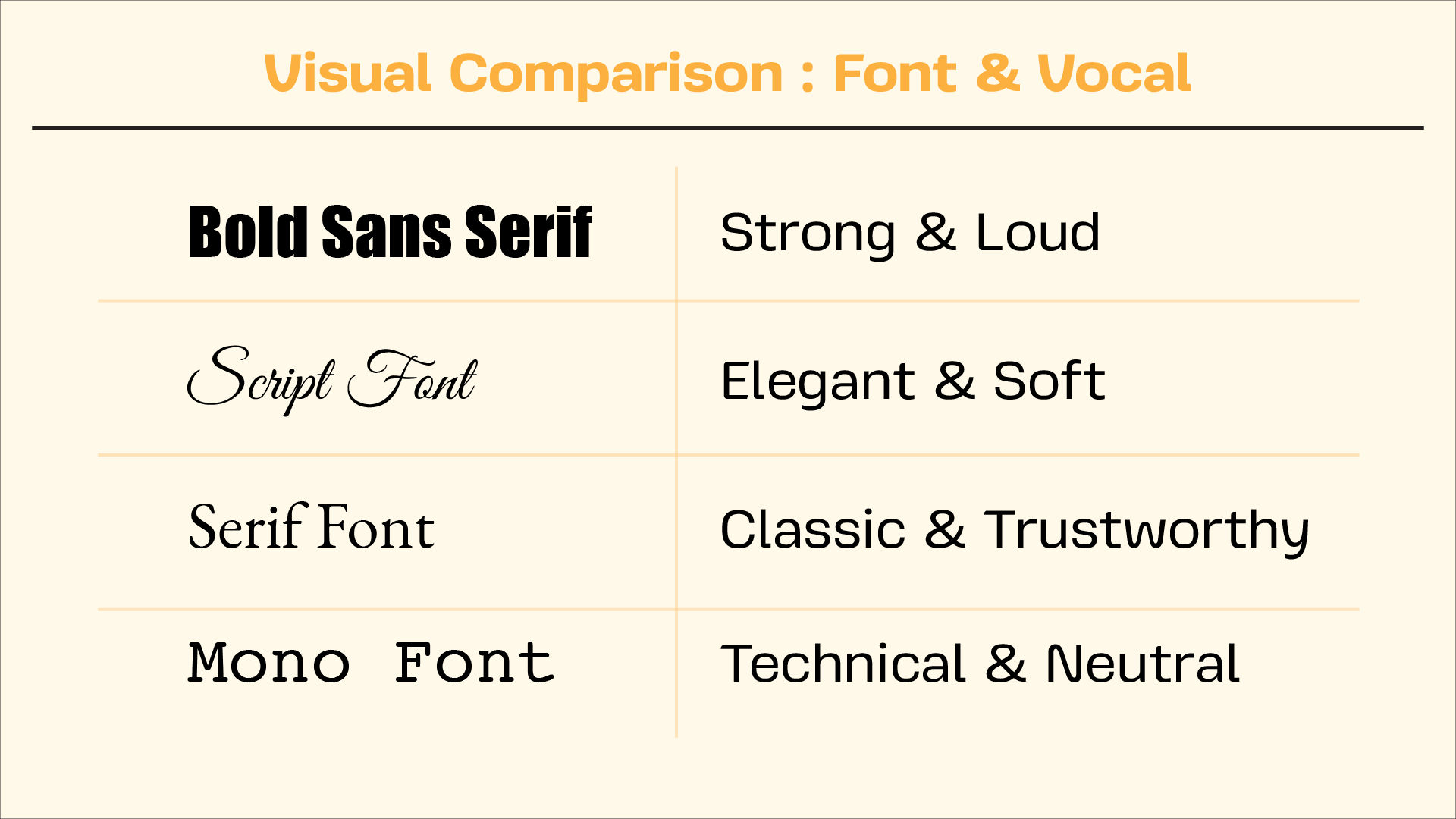
A typeface’s “voice” is the subtle, non-verbal communication it delivers through its design. This includes letter shapes, weight, spacing, stroke contrast, and stylistic details. These elements influence how a reader feels when they see the text.
For example:
- A bold, all-caps sans-serif like Impact sounds loud and direct.
- A soft script font like a calligraphy style feels elegant and personal.
- A monospaced font like Courier sounds technical or retro.
- A serif like Garamond has a classic, refined, and literary voice.
Why Voice Matters in Typography

Every design sends a message. Choosing a font with the wrong voice can make that message feel off. Imagine using Comic Sans in a legal contract — it would immediately undermine the seriousness, even if the words are formal.
The voice of a typeface helps:
- Establish trust in branding
- Enhance emotional appeal in marketing
- Guide user experience in digital design
- Support storytelling in editorial layout
How to Match Voice to Context
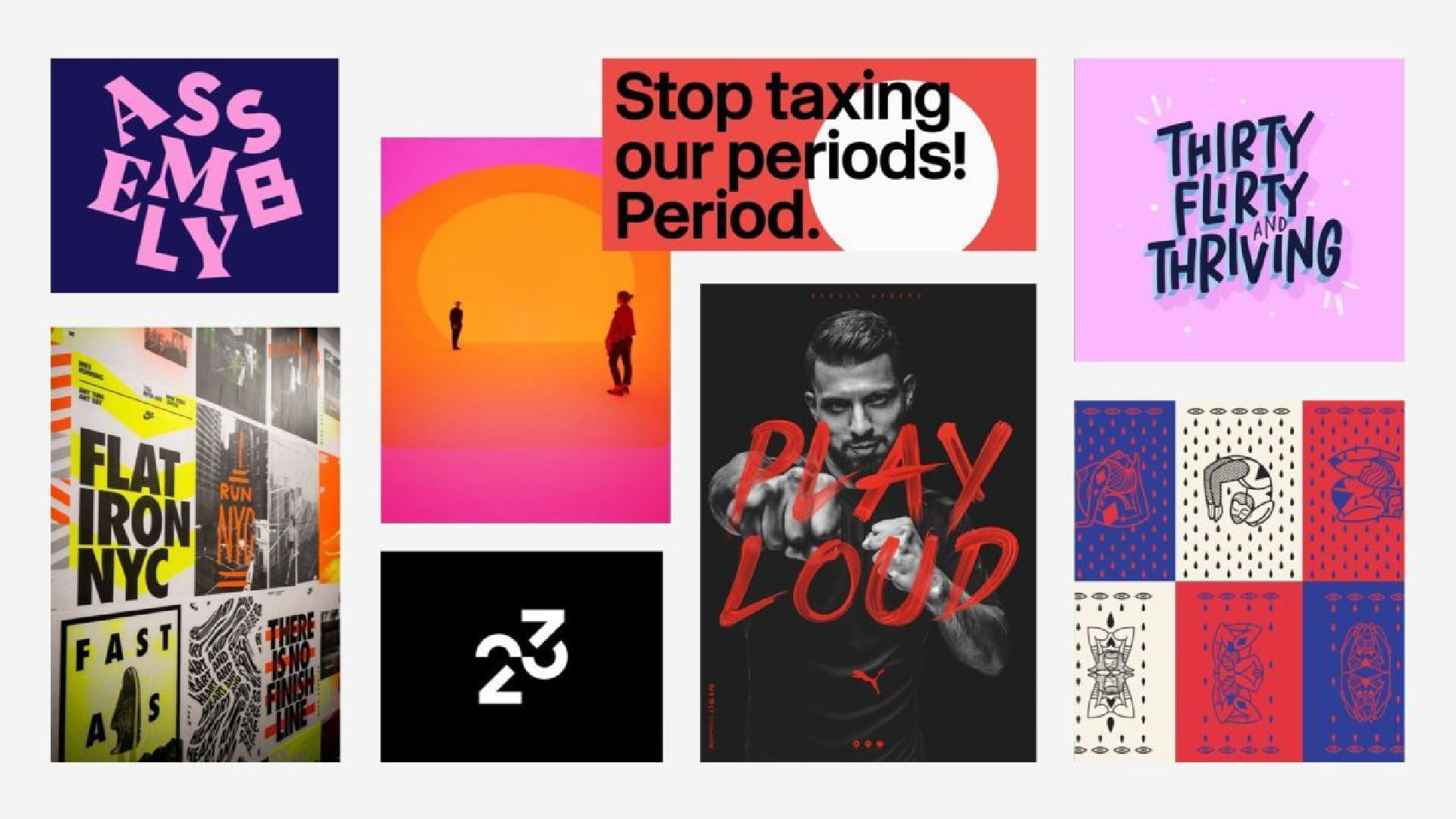
Think of choosing a font like casting an actor. The “role” depends on what your content is trying to say:
| Content Type | Ideal Typeface Voice |
| Children’s Book | Playful, whimsical (e.g., rounded script) |
| Tech Blog | Modern, clean (e.g., geometric sans-serif) |
| Luxury Brand | Sophisticated, stylish (e.g., high-contrast serif) |
| DIY Craft Poster | Friendly, handmade (e.g., brush script) |
| News Publication | Neutral, authoritative (e.g., transitional serif) |
Tips for Finding the Right Typeface Voice
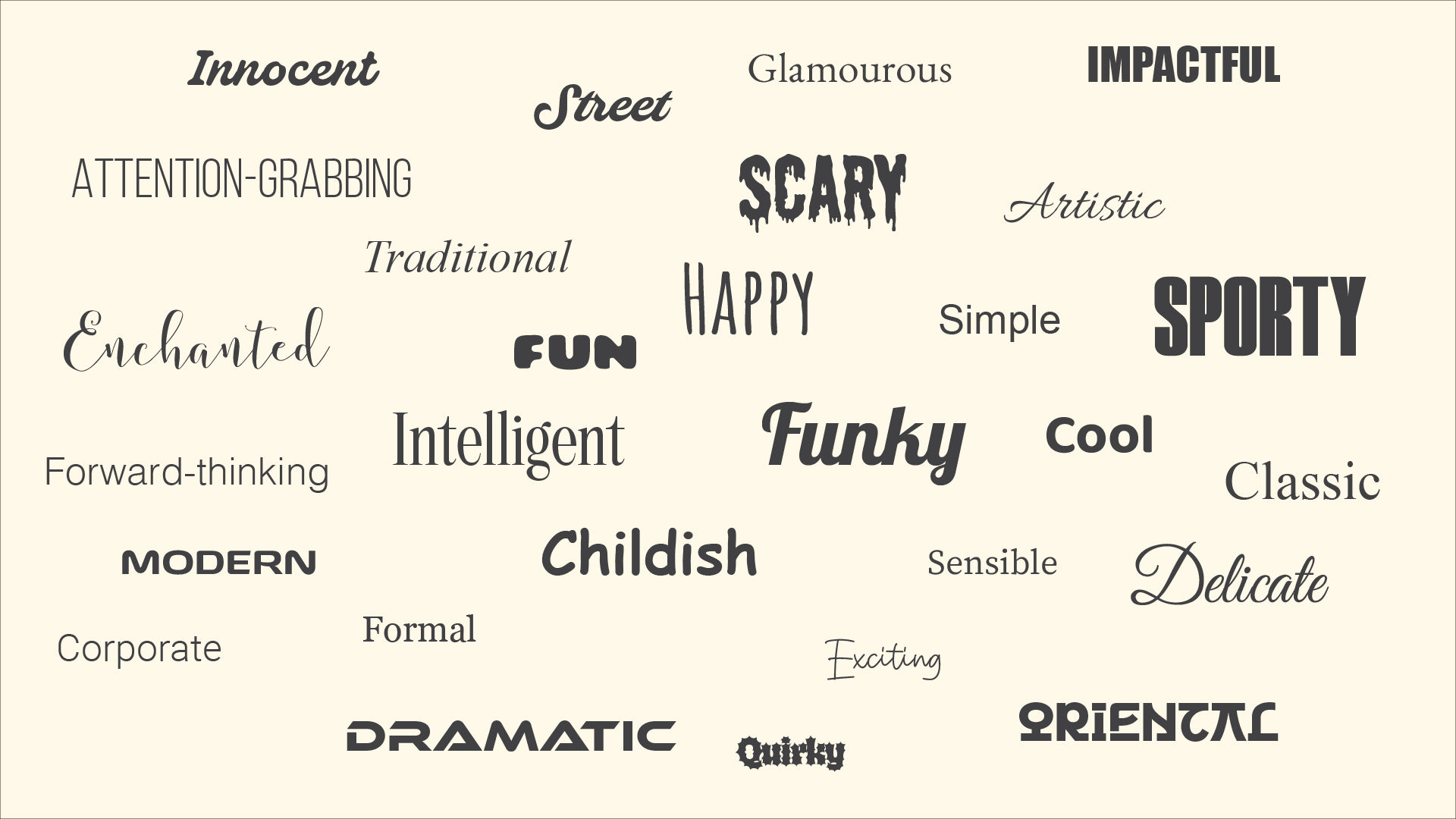
- Define your message: Is it formal, fun, inspiring, or educational?
- Know your audience: What kind of visual tone will resonate with them?
- Balance style and legibility: A font can have personality and be readable.
- Try pairings: Mix contrasting voices — like a loud header and a calm body — to create depth.
- Test the mood: See how your design feels when you swap fonts.
Conclusion: Let Your Fonts Speak Clearly
The voice of a typeface is one of the most overlooked — yet powerful — tools in visual communication. When chosen thoughtfully, a font doesn’t just show your words. It says them. With clarity, emotion, and purpose.
So next time you’re choosing a font, ask yourself:
What is this typeface trying to say? And is it saying it in the right voice?