
Typeface vs Font: Why Designers Still Mix Them Up — And How You Can Tell the Difference
Typeface vs Font: Why Designers Still Mix Them Up — And How You Can Tell the Difference
In the world of typography, few debates are as persistent — or misunderstood — as the difference between a typeface and a font. Although the terms are often used interchangeably, especially in digital design circles, they actually refer to two very different things. Understanding the distinction isn’t just a matter of semantics — it’s crucial for professional communication, licensing, and font management.
Let’s dive into the core difference and why it matters.
What Is a Typeface?
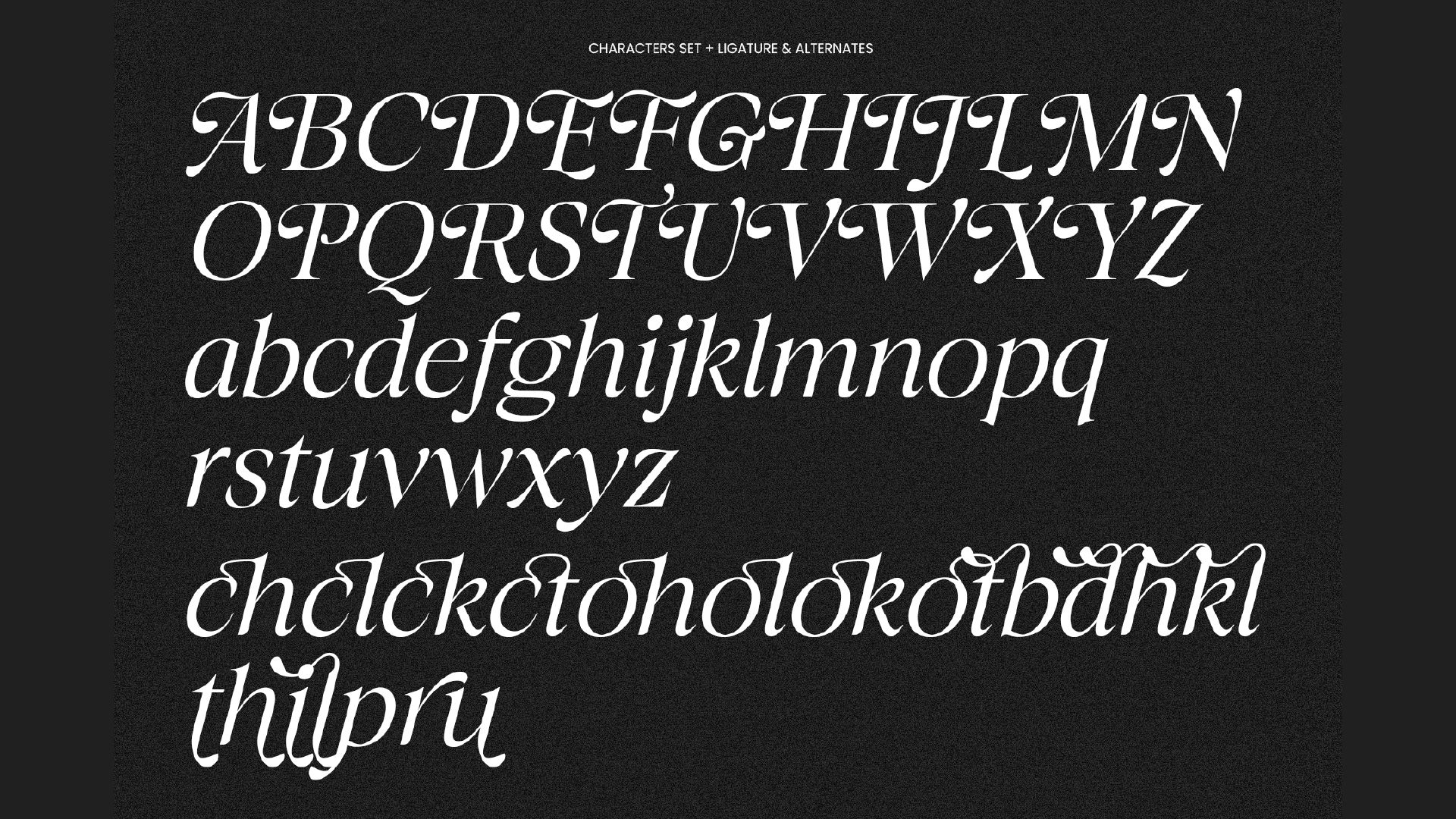
A typeface is the design of the characters — the overall visual style. It’s the artistic blueprint behind the letterforms.
Think of it as a music album. The typeface is the entire album — the creative concept, mood, and identity. Some well-known typefaces include:
- Helvetica
- Times New Roman
- Garamond
- Futura
These names refer to the overarching design — not the specific versions or weights.
What Is a Font?

A font, on the other hand, is a specific file or instance of that typeface. It includes the weight, size, and style of the letters in a usable digital format (like .OTF, .TTF, or .WOFF).
If the typeface is the album, then the font is a single track on that album.
For example:
- Helvetica Bold 12pt
- Helvetica Light Italic 10pt
These are fonts — they are the technical, usable data files that allow you to type using that style.
Quick Analogy: Typeface vs Font
| Concept | Analogy Example |
| Typeface | The song “Imagine” |
| Font | “Imagine” played in acoustic, 320kbps MP3 format |
Why Does This Distinction Matter?

- Font Licensing: Font licenses often apply to specific fonts, not typefaces. Buying a font doesn’t mean you own every style or weight of the typeface.
- Design Clarity: When collaborating with teams or clients, using the correct term improves communication and professionalism.
- Technical File Management: Organizing your files properly depends on knowing what a font file is versus a typeface family.
Modern Usage: Is It Okay to Use Them Interchangeably?

In casual conversation — sure. But in professional design, publishing, or branding work, being precise shows expertise. Many software platforms also list typefaces as “fonts,” so the confusion is understandable. Still, knowing the proper distinction sets you apart.
Conclusion: Know Your Terms, Elevate Your Work
While it might seem like splitting hairs, knowing the difference between a typeface and a font can make you a better, more precise designer. It strengthens your communication, your licensing awareness, and your typographic vocabulary.
So the next time you hear someone say, “I love that font,” take a moment to ask — do they mean the typeface?