
Typography Alchemy: Blending Color and Texture for Visual Magic
Typography Alchemy: Blending Color and Texture for Visual Magic
Typography is more than just choosing the right font. The way a font is presented—especially through the use of color and texture—can transform a simple design into a visually captivating experience. Colors and textures are powerful tools that not only enhance the aesthetics of a font but also influence how a message is perceived. In this article, we’ll explore the impact of color and texture on font presentation and how to use them effectively to elevate your design projects.
The Role of Color in Font Presentation
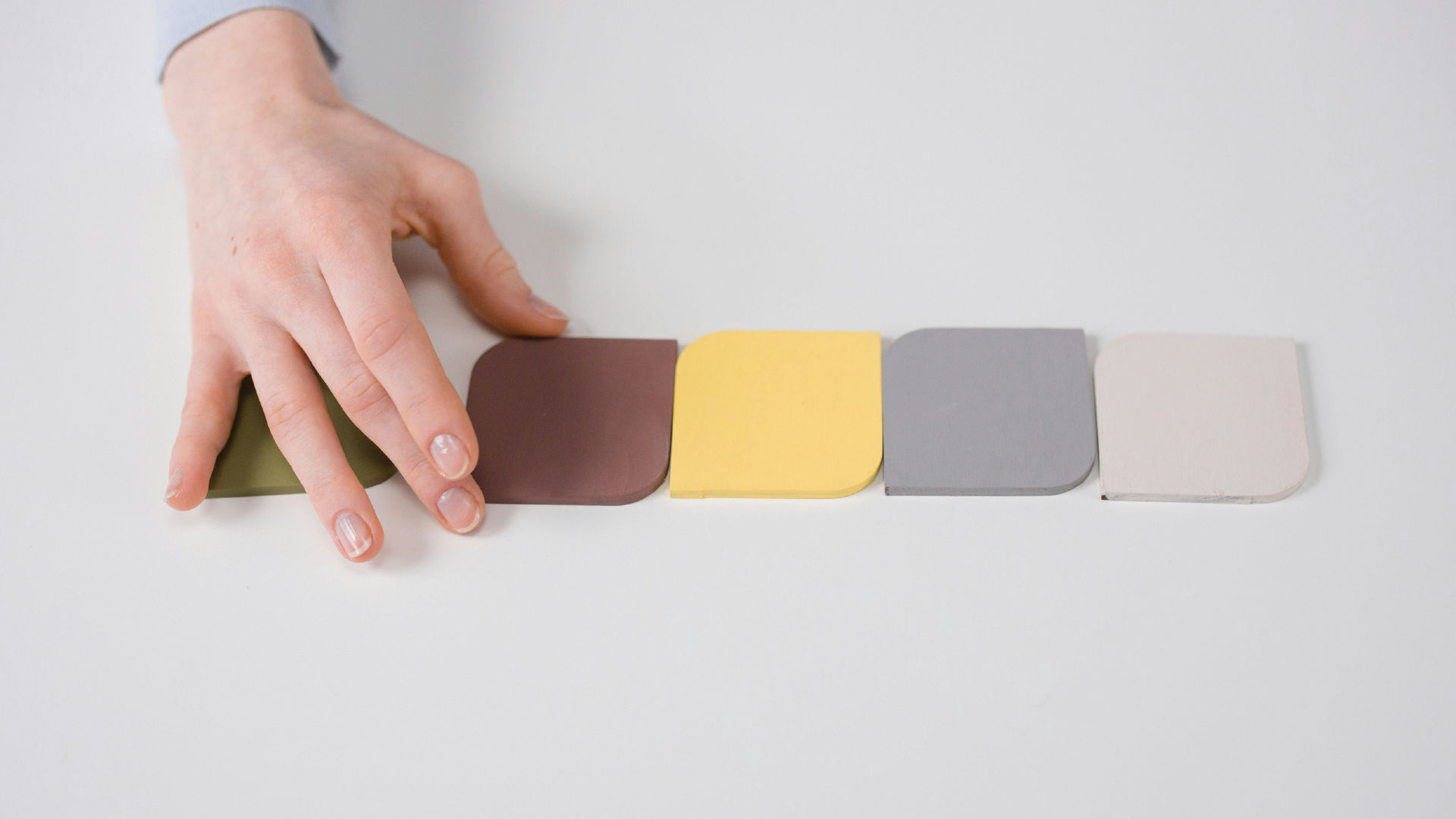
Color plays a significant role in how typography communicates emotions and attracts attention. A font’s shape alone might convey a certain style, but its color can completely change its tone. For example:
- Red fonts evoke energy, passion, or urgency.
- Blue fonts communicate trust, calmness, or professionalism.
- Gold or metallic tones suggest luxury and elegance.
Tip: Always consider color psychology when pairing fonts with brand identities. A bold sans-serif font in a vibrant hue will create a completely different impression compared to a muted pastel serif font.
The Impact of Texture on Typography

Texture adds a tactile dimension to typography. Whether it’s a rough grunge overlay, a smooth metallic finish, or a subtle watercolor effect, textures create depth and personality. When applied thoughtfully, textures can make fonts feel more dynamic and organic.
Examples of Texture Effects:
- Grunge Textures: Perfect for urban or vintage-inspired branding.
- Metallic or Foil Effects: Add a luxurious, high-end feel.
- Watercolor & Brush Textures: Great for creative, artistic projects like wedding stationery or handmade crafts.
Combining Color and Texture for Maximum Impact
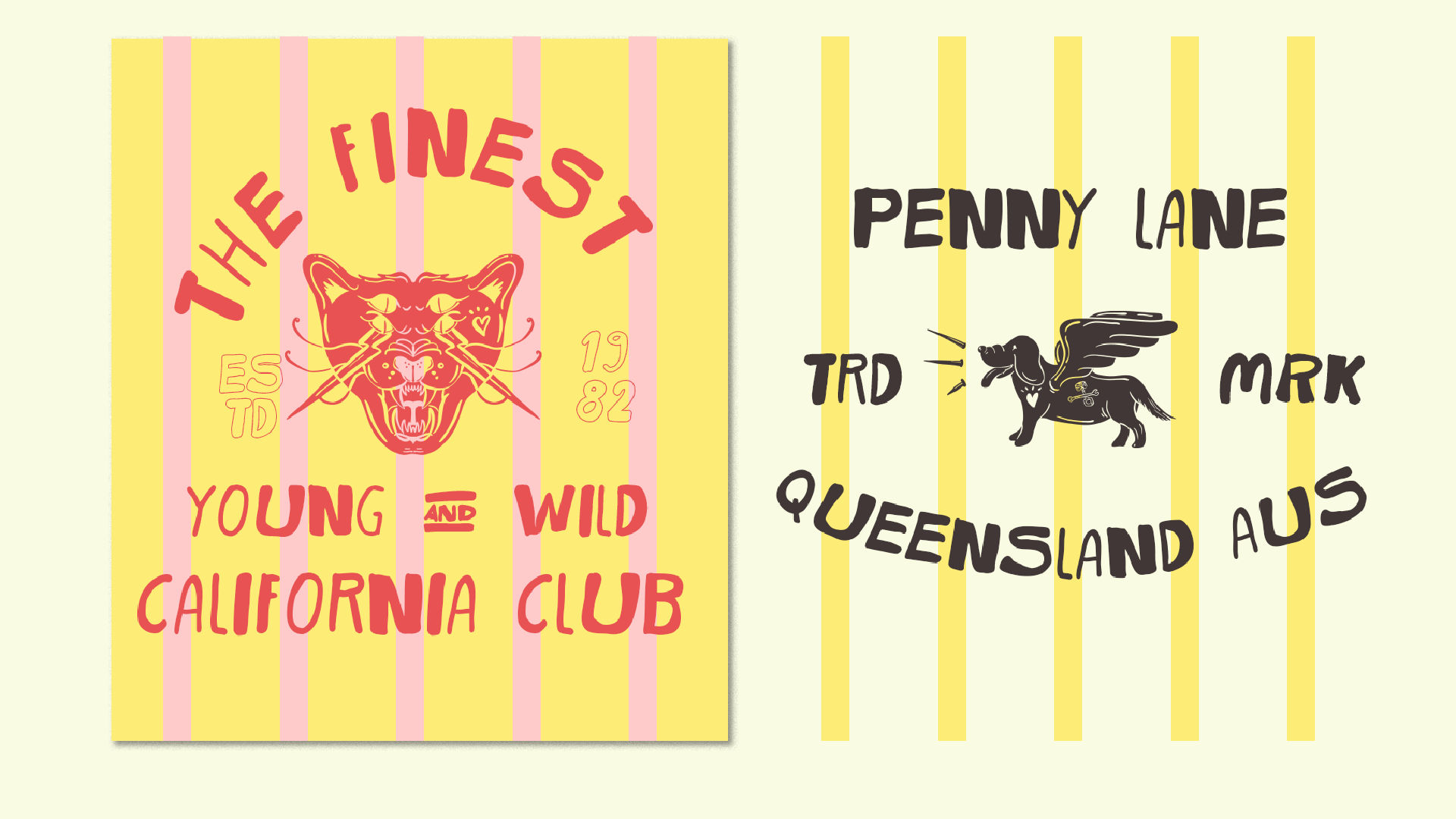
The combination of color and texture can make typography truly stand out. For instance, a handwritten script font with a gold foil texture can instantly communicate luxury, while a geometric sans-serif with a gritty texture can give off a bold and edgy vibe. Designers often use this technique in branding, poster design, and digital advertising to capture attention in crowded visual spaces.
Best Practices for Using Color and Texture in Fonts
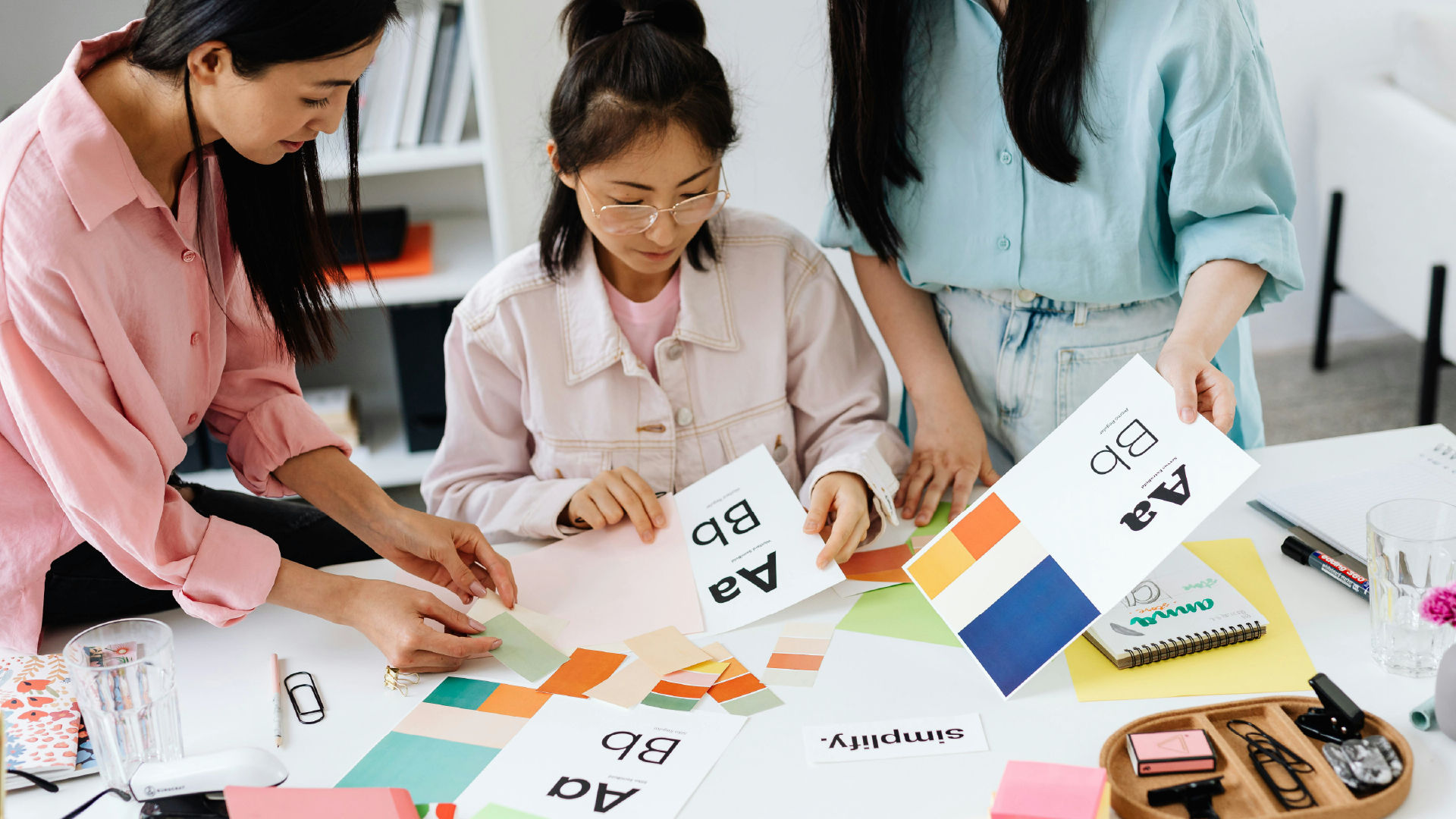
- Maintain Readability: Avoid overly complex textures or colors that reduce legibility.
- Balance with Backgrounds: Ensure that the font contrasts well with the background.
- Use Moderation: Overusing textures can overwhelm a design. Apply them strategically.
- Align with Brand Identity: Choose colors and textures that resonate with the brand’s message and audience.
Conclusion
The right mix of color and texture can elevate a font from being just another typeface to a powerful visual statement. By understanding the psychology of color and the emotional depth that texture adds, designers can create typography that not only looks beautiful but also connects deeply with viewers.