
Decoding Letter Anatomy: A Beginner’s Guide to Understanding Typeface Structure
Decoding Letter Anatomy: A Beginner’s Guide to Understanding Typeface Structure
Typography is more than just picking a “pretty font.” Behind every typeface lies a precise structure that defines its personality, readability, and style. Understanding the anatomy of letters is like learning the blueprint of design—it helps you choose, pair, and use fonts with confidence. Whether you’re a budding designer or simply a curious creative, this guide will walk you through the fundamental parts of letter anatomy in an easy-to-digest way.
1. The Building Blocks of a Letter
Every letterform is made up of smaller components that work together to form a cohesive shape. Knowing these terms will not only boost your design vocabulary but also sharpen your eye for detail.
- Baseline – The invisible line on which letters rest.
- Cap Height – The height of uppercase letters from the baseline.
- X-Height – The height of lowercase letters without ascenders or descenders (like “x”).
- Ascender – The part of a lowercase letter that extends above the x-height (like the stem of “h”).
- Descender – The part of a lowercase letter that extends below the baseline (like the tail of “y”).
2. Key Structural Elements
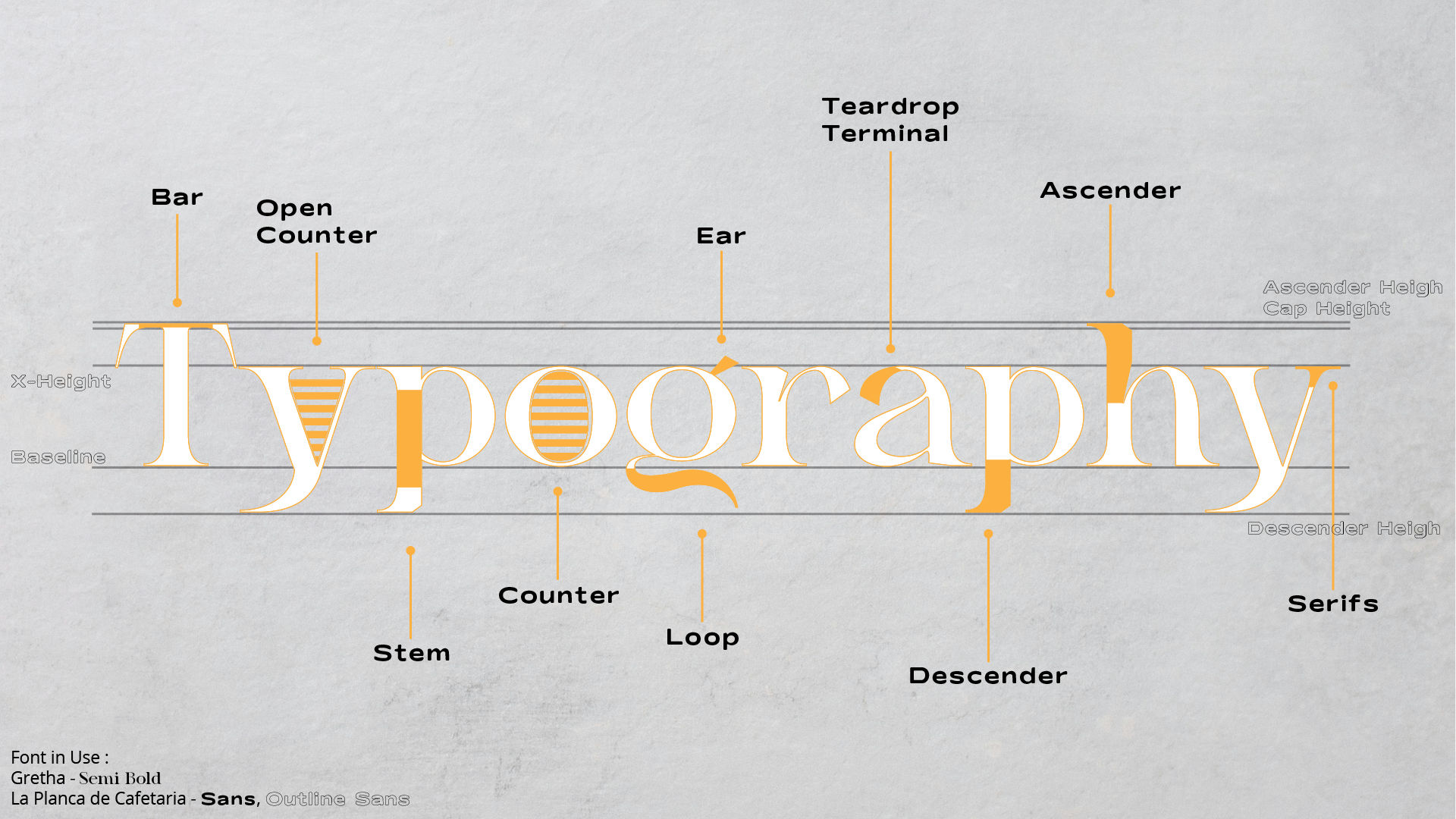
Typography borrows from both geometry and calligraphy. Here are some important terms:
- Stem – The main vertical stroke in letters like “H” and “l.”
- Bowl – The rounded, enclosed curve in letters like “o” or “b.”
- Counter – The space inside a bowl (can be open or closed).
- Shoulder – The curved stroke found in letters like “n” or “m.”
- Terminal – The end of a stroke that doesn’t have a serif.
3. Serifs vs. Sans Serifs
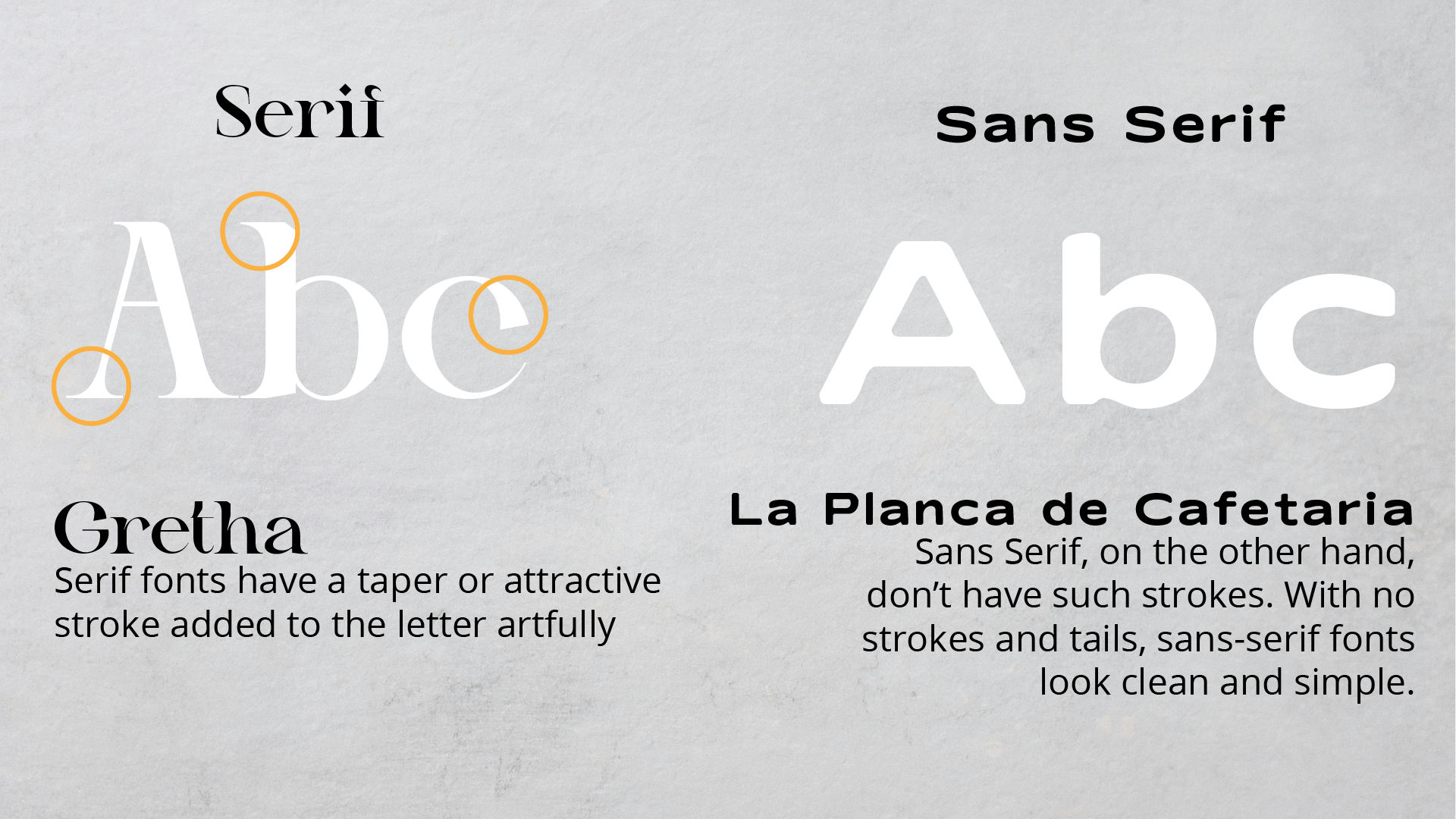
Understanding serifs is crucial:
- Serif Typefaces – Have decorative strokes at the ends of letters (e.g., Times New Roman).
- Sans Serif Typefaces – Lack these strokes, resulting in a cleaner, modern look (e.g., Helvetica).
Recognizing these differences will help you pick the right style for your project’s tone and purpose.
4. How Letter Anatomy Impacts Design

Letter anatomy directly affects:
- Readability – Larger x-heights often improve legibility at small sizes.
- Tone – Sharp terminals feel modern; bracketed serifs feel traditional.
- Branding – Subtle details in letter shapes can make a logo timeless or trendy.
5. Practice: Spot the Parts in Real Fonts

Take a font you love and identify its anatomy—find the ascenders, descenders, bowls, and stems. Over time, this practice will help you choose fonts more intentionally and pair them more harmoniously.
Conclusion: The Designer’s Secret Weapon
Mastering letter anatomy is like having X-ray vision for design—you’ll see beyond the surface beauty of a typeface and understand the craftsmanship behind it. The more you familiarize yourself with these parts, the more confident and professional your typography choices will become.