
When Sound Shapes Letters: Fonts Inspired by Music and Rhythm
When Sound Shapes Letters: Fonts Inspired by Music and Rhythm
When Music Meets Typography
Music and typography share a common language — rhythm, emotion, and harmony. Both have the power to express mood, identity, and movement. In the world of design, some typefaces go beyond shapes and strokes; they are composed like songs, inspired by melodies, instruments, and the pulse of sound itself.
From jazz-inspired scripts to techno-style sans serifs, these fonts visually echo what our ears love to hear. They don’t just speak; they sing.
1. Translating Rhythm into Shape
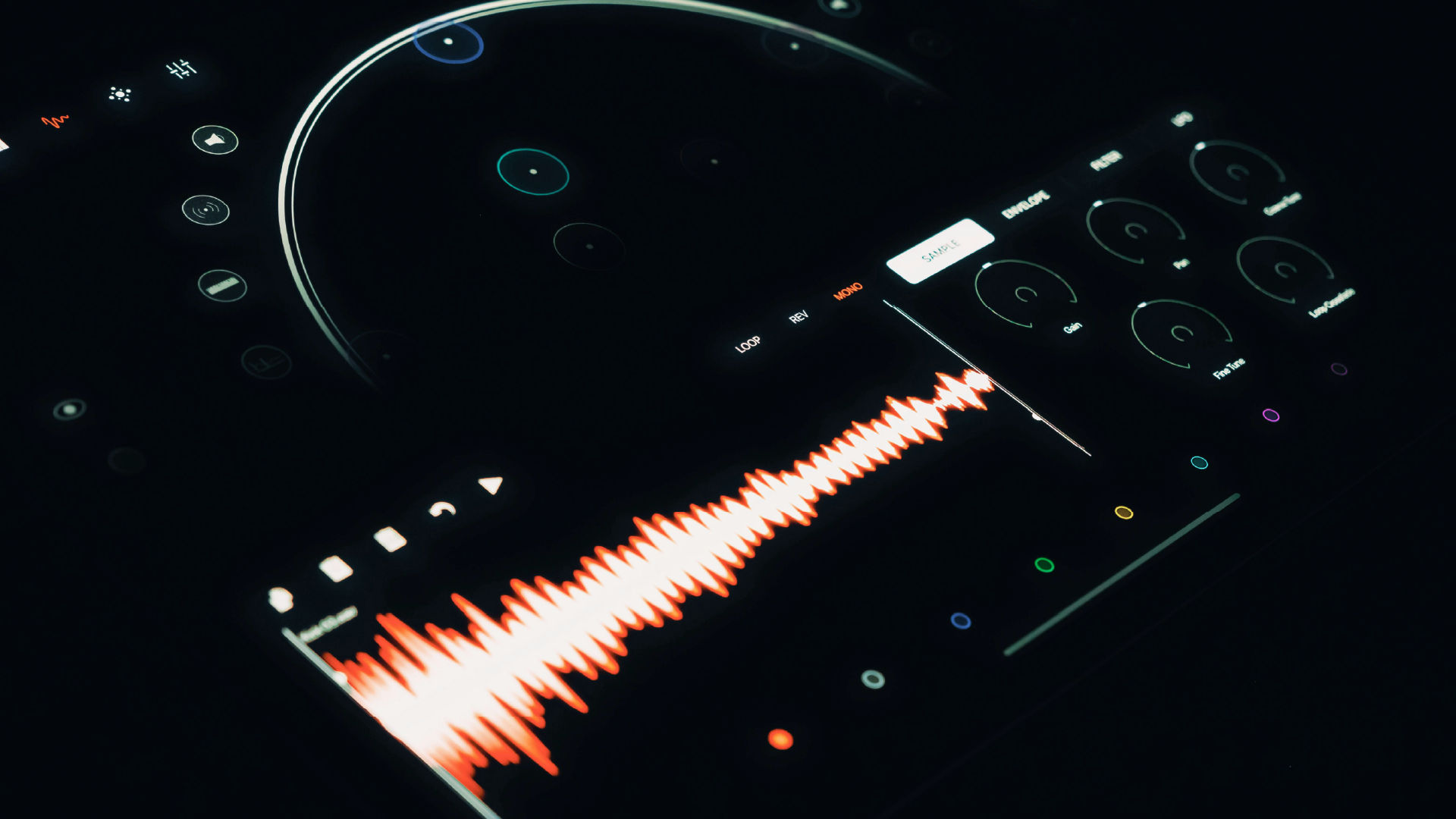
Designers often think of type as having rhythm — a repetition of forms, spaces, and strokes. Fonts inspired by music take this further by mimicking the flow of sound waves or the beat of a song.
For example, a groovy 1970s psychedelic typeface might translate rock ‘n’ roll energy through wavy lines and distorted letterforms, while a minimalist techno font may reflect precise beats through geometric patterns and consistent spacing.
Each curve, serif, or counterform mirrors how a note rises and falls — turning music into motion on paper.
2. Emotional Harmony in Design
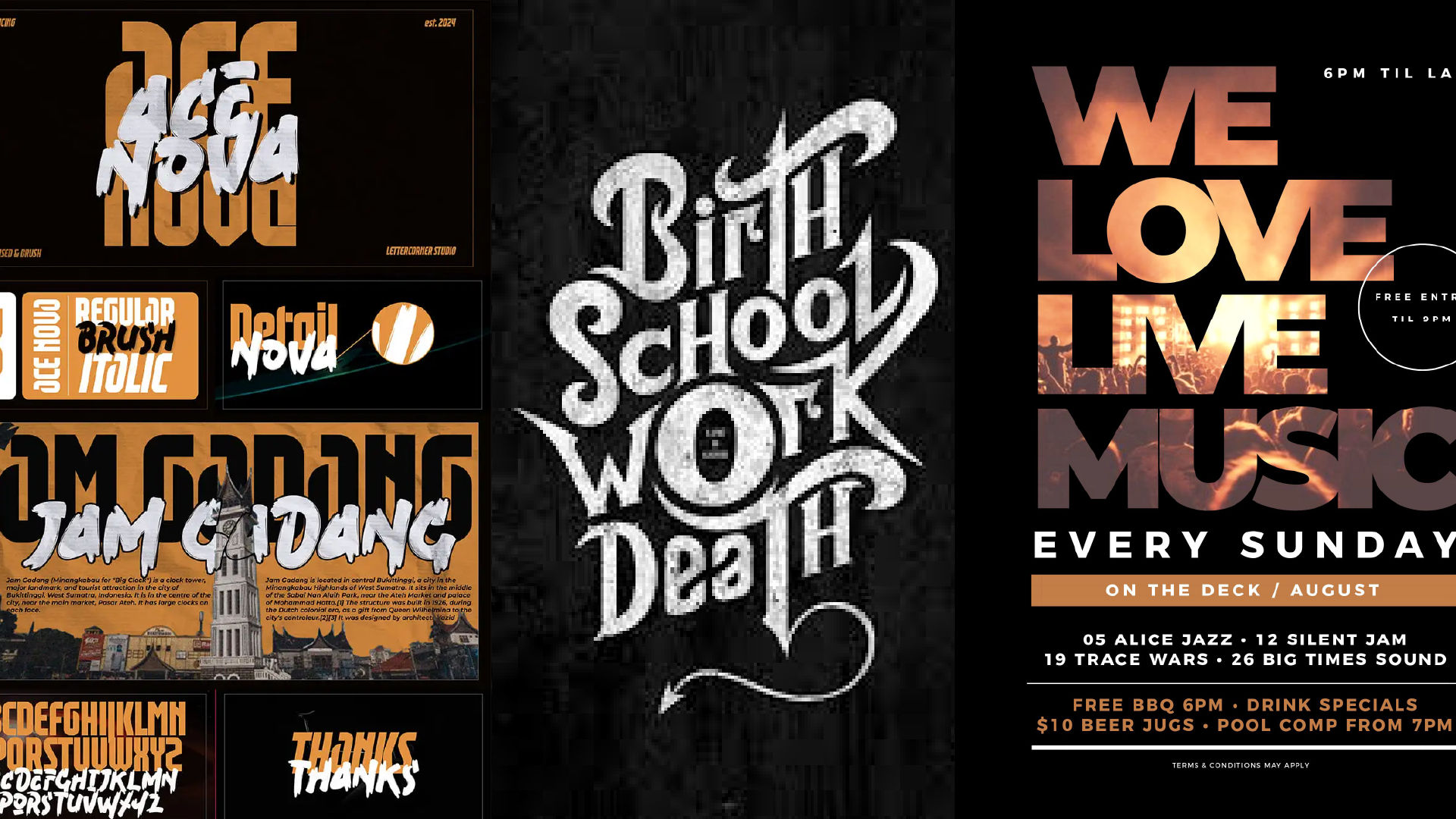
Just as songs carry emotional weight, fonts inspired by music evoke specific feelings. A soft, handwritten typeface might feel like an acoustic melody — warm and intimate. Meanwhile, a bold, condensed display font might resemble a heavy metal riff — loud, aggressive, and unapologetic.
This emotional connection makes music-inspired fonts powerful tools for branding, poster design, and album art. They instantly set the tone before a single word is read.
3. Famous Examples of Musical Typefaces
- Neue Haas Grotesk (Helvetica) – Known for its neutrality and rhythm, it mirrors the clarity of classical composition.
- Woodstock Display – A tribute to the 1960s music revolution, with groovy curves and fluid shapes.
- Jazz Script – Mimics the smooth, unpredictable flow of jazz improvisation.
- Synthwave Sans – Captures retro-futuristic energy with neon lines and geometric beats.
Some independent studios even craft custom fonts for bands or music festivals — merging visual identity with sound identity.
4. The Future of Sound-Driven Typography

Modern technology is pushing this concept even further. Experimental designers now use soundwave data to generate font shapes dynamically — where each sound input affects letter curvature or weight. Imagine typing with a typeface that changes form depending on the song you’re listening to.
As generative design evolves, typography may no longer be static; it will dance with the music.
5. Bringing Music into Your Design Projects
If you’re a designer looking to create something emotionally rich, start by thinking like a composer:
- Define your rhythm (spacing and structure).
- Find your melody (the style and flow of the letters).
- Create harmony (balance and contrast between forms).
Whether you’re designing for a music event, a brand with strong sonic identity, or simply want to bring rhythm into your visuals, music-inspired fonts can help your message resonate.