
How Fonts Can Change the Mood of a Design: A Case Study
How Fonts Can Change the Mood of a Design: A Case Study
Fonts are powerful tools in the hands of a graphic designer. Beyond mere letters, fonts carry emotions, styles, and personalities. Choosing the right font can make a design feel serious, playful, elegant, rebellious, or trustworthy. In this article, we’ll explore how fonts impact the mood of a design, and we’ll examine real-world examples that showcase this invisible but powerful force.

Why Fonts Matter to Mood
Typography is often called the “voice” of a visual piece. Just like tone of voice in conversation, typography can sound excited, formal, calm, or chaotic. Fonts influence:
- First impressions
- User experience and readability
- Emotional responses
- Brand perception
The wrong font can send mixed signals, while the right one aligns with the message and audience expectations perfectly.

Key Elements That Influence Mood
Several font characteristics help set the emotional tone:
- Serif vs Sans-serif: Serif fonts like Times New Roman convey tradition and reliability. Sans-serifs like Helvetica feel modern and clean.
- Weight: Heavier fonts suggest strength and boldness; lighter fonts feel elegant and airy.
- Curves and Angles: Sharp, geometric fonts feel more rigid and structured. Soft, rounded fonts feel friendly and approachable.
- Spacing: Tighter tracking can feel tense and urgent, while loose tracking gives a sense of openness.
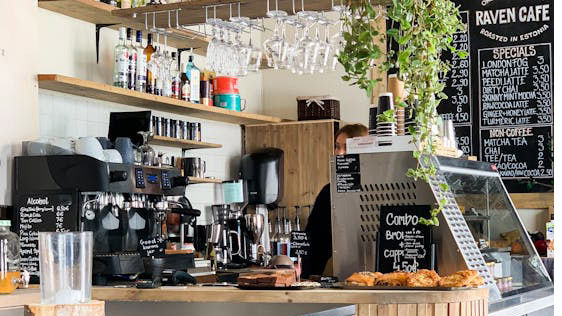
Case Study 1: Rebranding a Cafe
Scenario: A local coffee shop wanted to move from a rustic “hipster” brand to a sleek, modern cafe.
- Old Font: A distressed, grungy handwritten script.
- New Font: A minimalist sans-serif with even proportions.
Mood Shift: Customers perceived the cafe as more upscale. It attracted a broader audience, including professionals looking for a chic environment to work.
Lesson: Fonts can redefine a brand’s entire energy and target demographic.

Case Study 2: Event Poster for a Music Festival
Scenario: An indie music festival needed posters that felt lively and artistic.
- Font Choice 1: A rigid geometric sans-serif made the event look corporate and sterile.
- Font Choice 2: A playful, hand-drawn script font captured the free-spirited vibe of the festival.
Mood Shift: Switching fonts made the event feel more authentic and exciting, aligning better with the festival’s indie culture.
Lesson: A mismatch between event spirit and typography can result in confusion or disinterest.
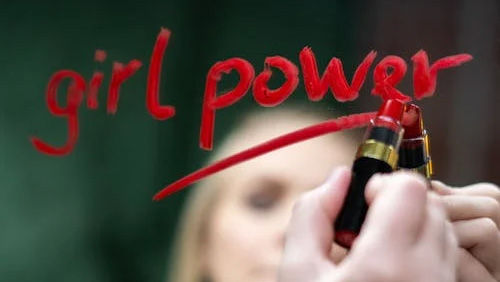
Different Fonts, Different Feelings: Quick Examples
| Font Style | Associated Mood |
| Elegant serif (e.g., Baskerville) | Sophisticated, trustworthy |
| Bold sans-serif (e.g., Futura Bold) | Modern, powerful |
| Handwritten script (e.g., Twilight Stroke) | Creative, personal |
| Retro display font (e.g., Cutler Sans) | Nostalgic, fun |
| Monospaced (e.g., Markl Mono) | Technical, clean |
Choosing fonts isn’t just aesthetics; it’s psychology.
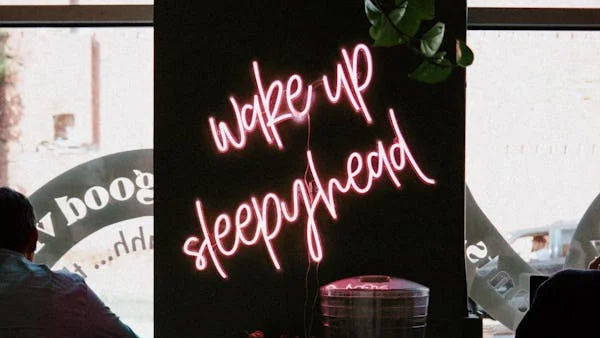
How to Choose the Right Font for Mood
1. Understand Your Message Ask yourself: What emotion should the viewer feel? Excited, relaxed, professional, daring?
2. Know Your Audience Different demographics respond to different styles. Gen Z might love bold and experimental fonts, while corporate audiences prefer minimalistic typefaces.
3. Test Variations Create several versions of your design using different fonts. Small changes can lead to major mood shifts.
4. Pay Attention to Font Combinations Pairing fonts (like a bold headline with a soft body text) can create dynamic emotional contrasts.
5. Don’t Overuse Trendy Fonts Trendy fonts may feel fresh now but can quickly become dated. Choose timeless designs if you want long-term relevance.

Real-World Impact
Brands like Coca-Cola, Netflix, and Apple invest millions into typography because they know that subtle shifts in font style can either build trust or destroy it.
For example, when Google updated their logo to a more geometric sans-serif font, it felt more friendly, accessible, and modern—perfectly matching their vision of the future.
Conclusion: Fonts Speak Louder Than You Think
Fonts are silent, but their message is loud. As a graphic designer, learning to use fonts intentionally is a superpower. By understanding how different typefaces influence mood, you can create designs that not only look good but feel right.
The next time you start a project, remember: you’re not just picking letters—you’re setting the entire emotional stage.
Bonus Tip: Always keep a “moodboard” of fonts you love, categorized by the feelings they evoke. It will make your workflow faster and your designs more emotionally powerful.