
Designing Typeface Families: From Regular to Bold and Everything In Between
Designing Typeface Families: From Regular to Bold and Everything In Between
Why Font Families Matter
Font families are essential in modern typography. A single typeface with only one style is limiting—designers often need various weights and styles to create visual hierarchy, emphasis, and readability. By offering styles like Regular, Italic, Bold, Light, and beyond, you give users flexibility while maintaining consistency across their designs.
1. Start with the Master Style
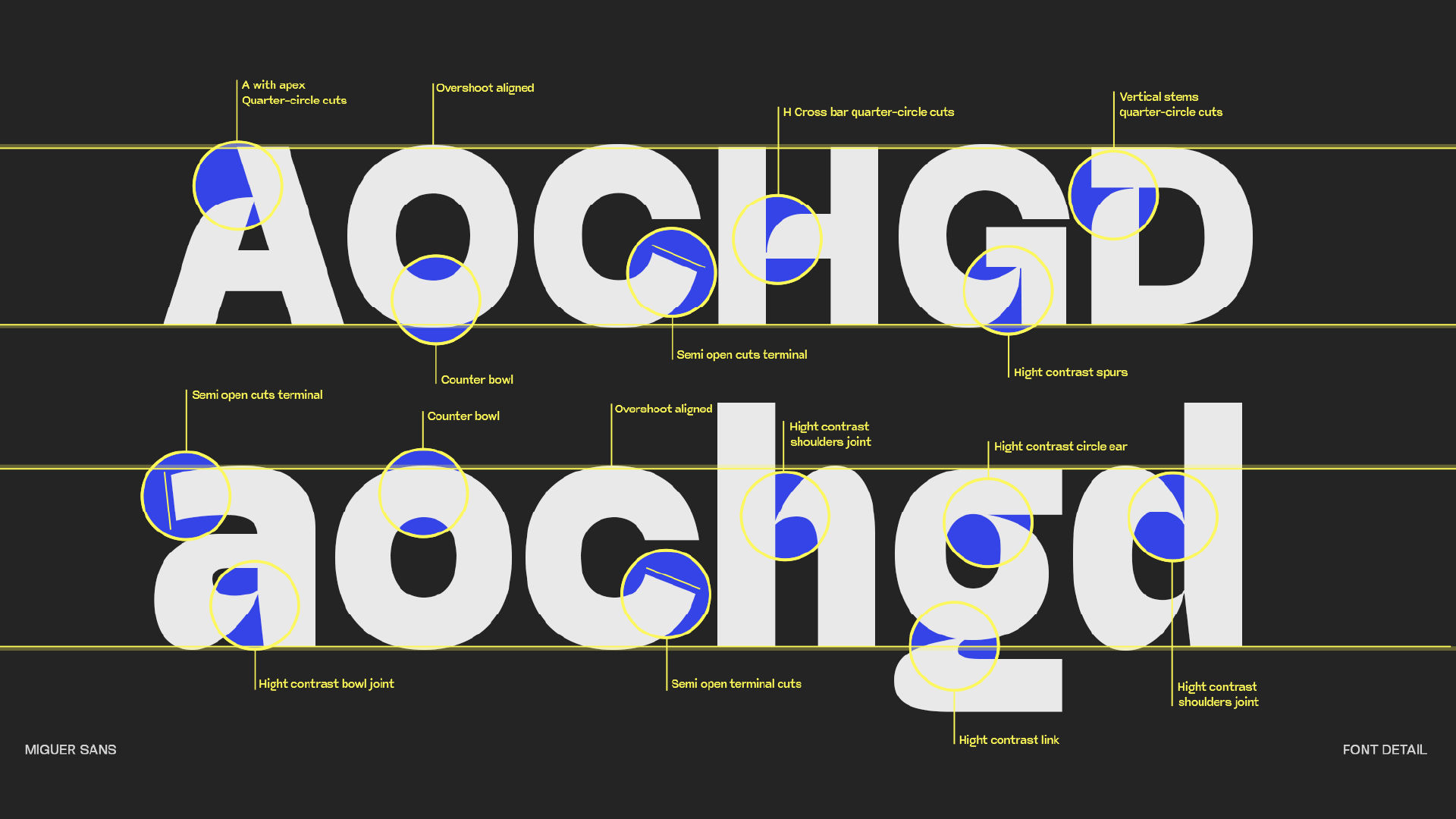
Most font families begin with the Regular style. It sets the tone for the entire family—defining proportions, contrast, spacing, and personality. This master style should be:
- Neutral enough to adapt to other weights.
- Balanced in metrics and structure.
- Well-kerned for seamless extension into other styles.
2. Designing the Bold and Light Weights
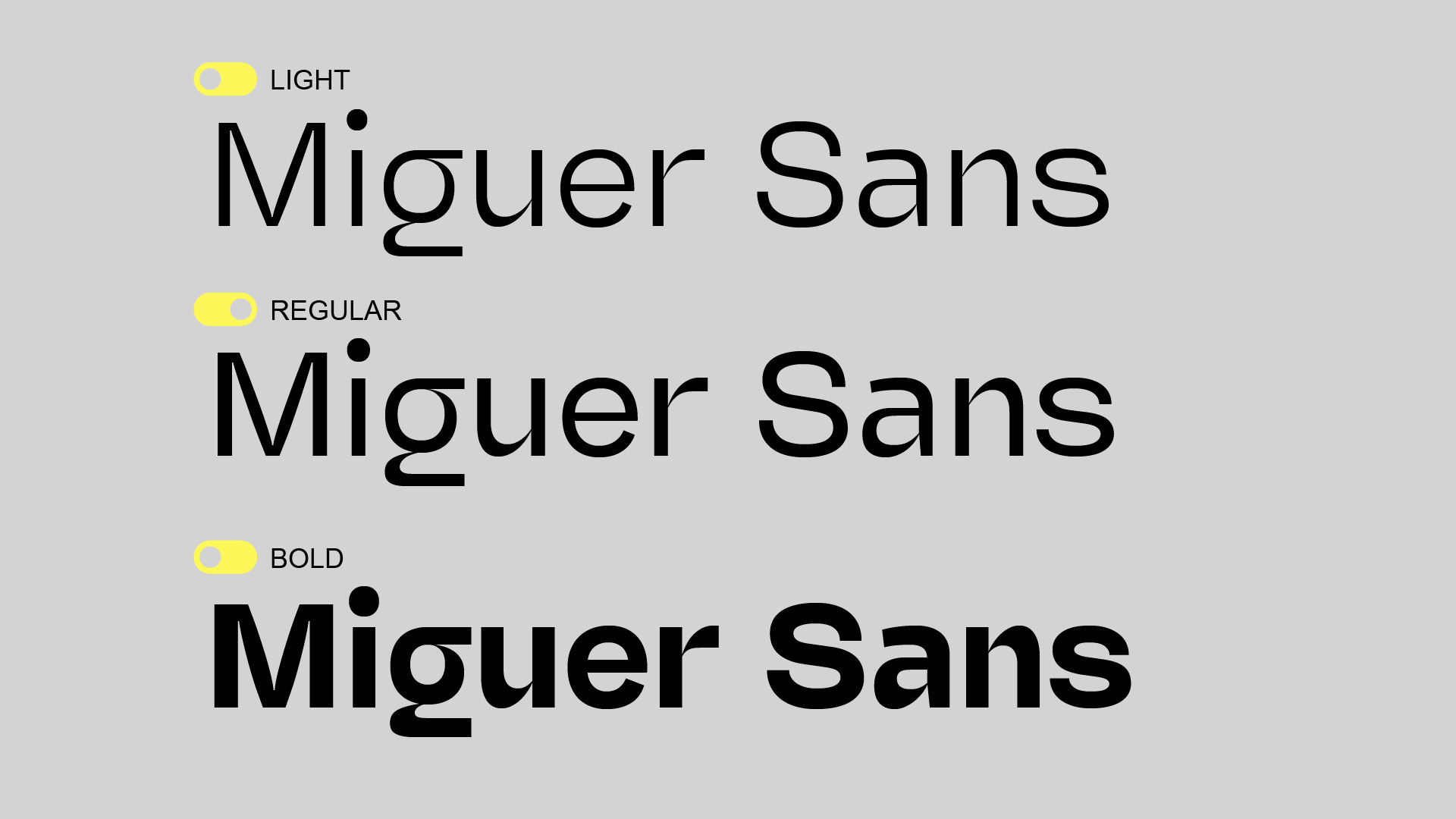
Once the Regular is solid, move to the Bold and Light styles. These add contrast and usability in different design contexts.
- Use interpolation to save time but always refine manually.
- Thicker weights often need optical adjustments in counters and joints.
- Avoid merely scaling the strokes—structure should evolve with the weight.
3. Creating the Italic
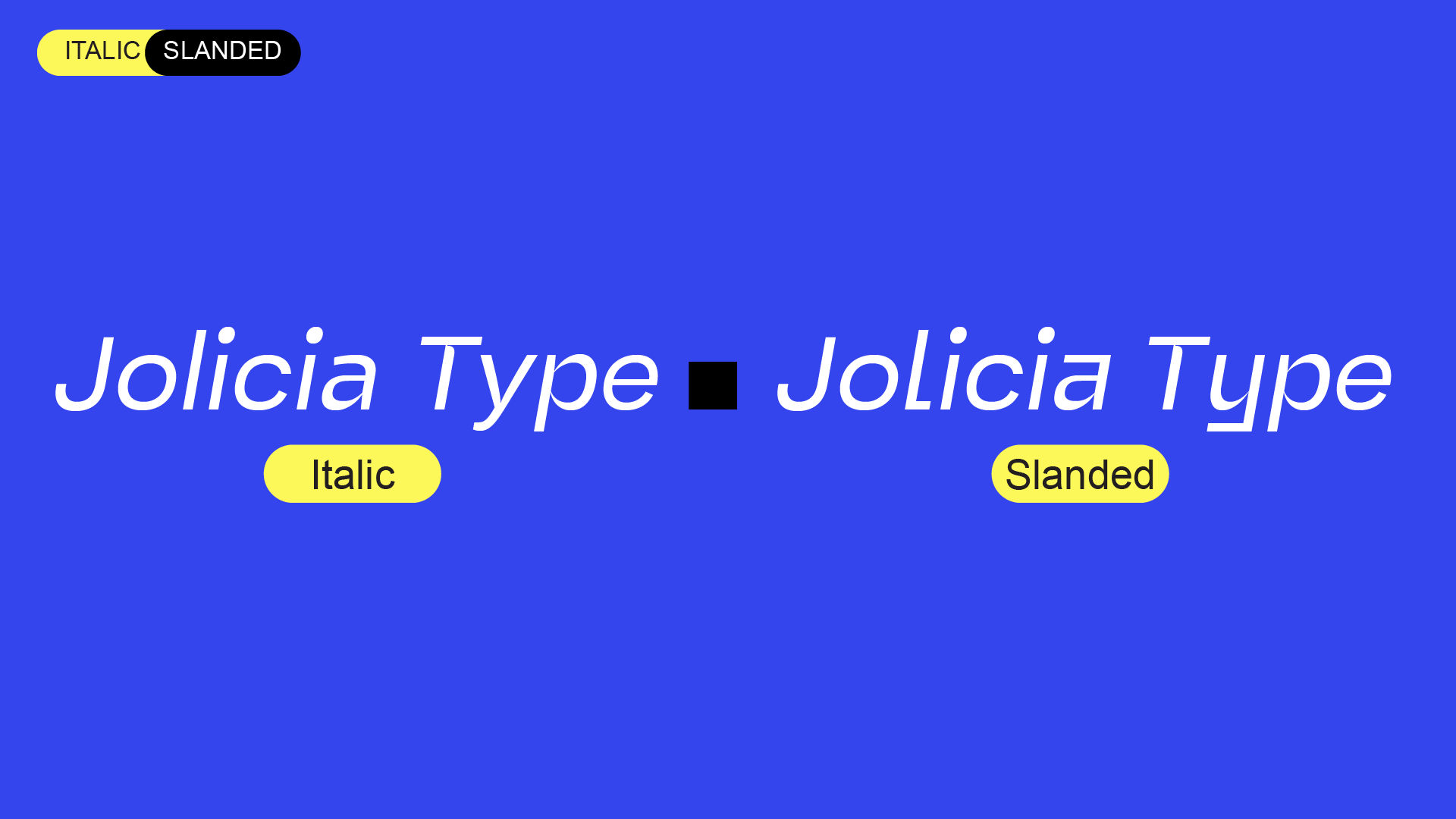
Italic is not just a slanted Regular. True italics are redrawn with:
- Modified letterforms (e.g., “a”, “f”, “g”).
- More dynamic and calligraphic strokes.
- Adjusted angle and spacing for flow and elegance.
4. Intermediate Styles: Medium, SemiBold, ExtraBold
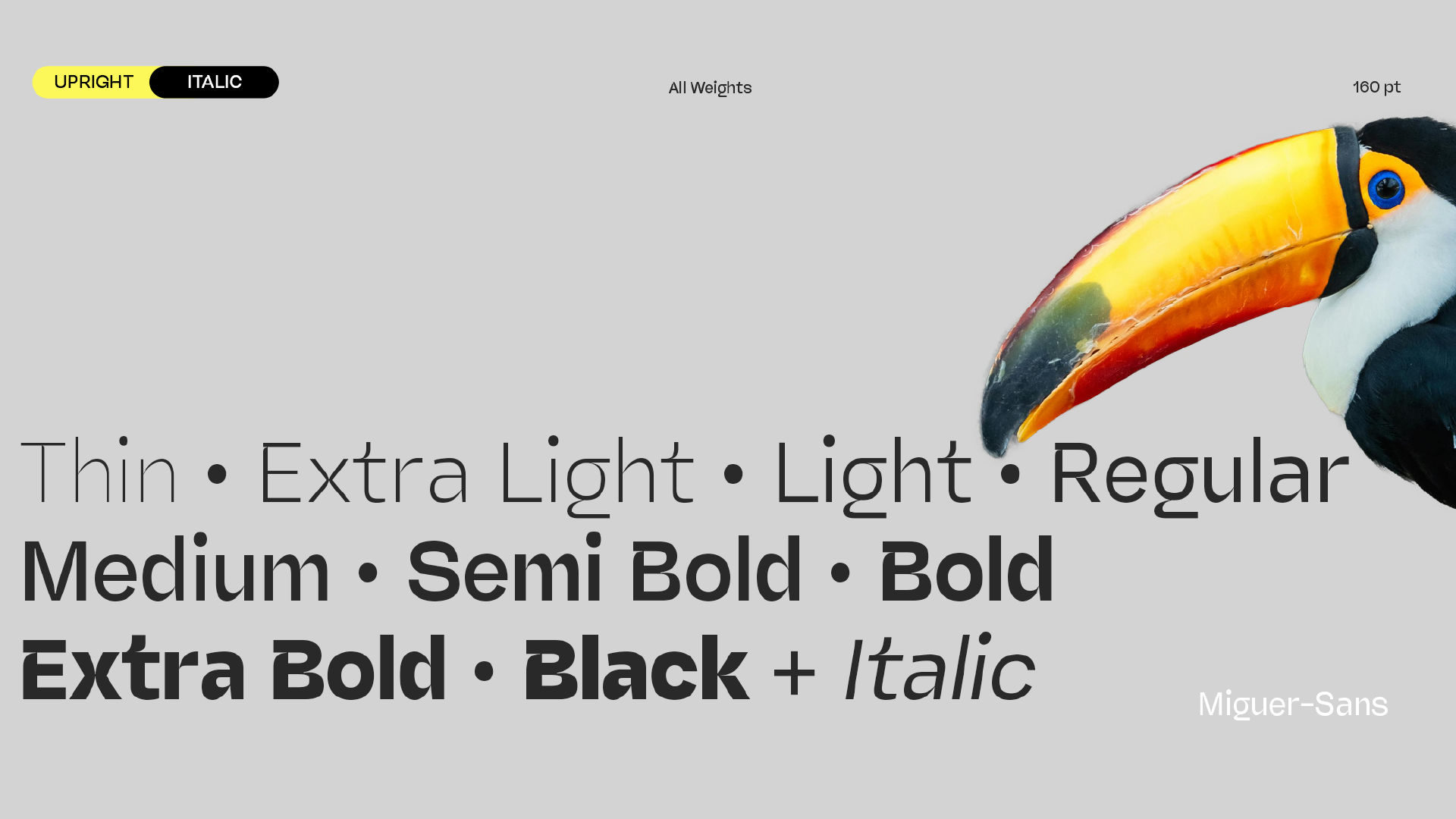
For professional families, it’s common to include intermediate weights for nuanced typography. These are useful in UI, print, and responsive designs.
- Use interpolation but add manual tuning.
- Test these weights in real content layouts.
5. Spacing and Metrics Consistency
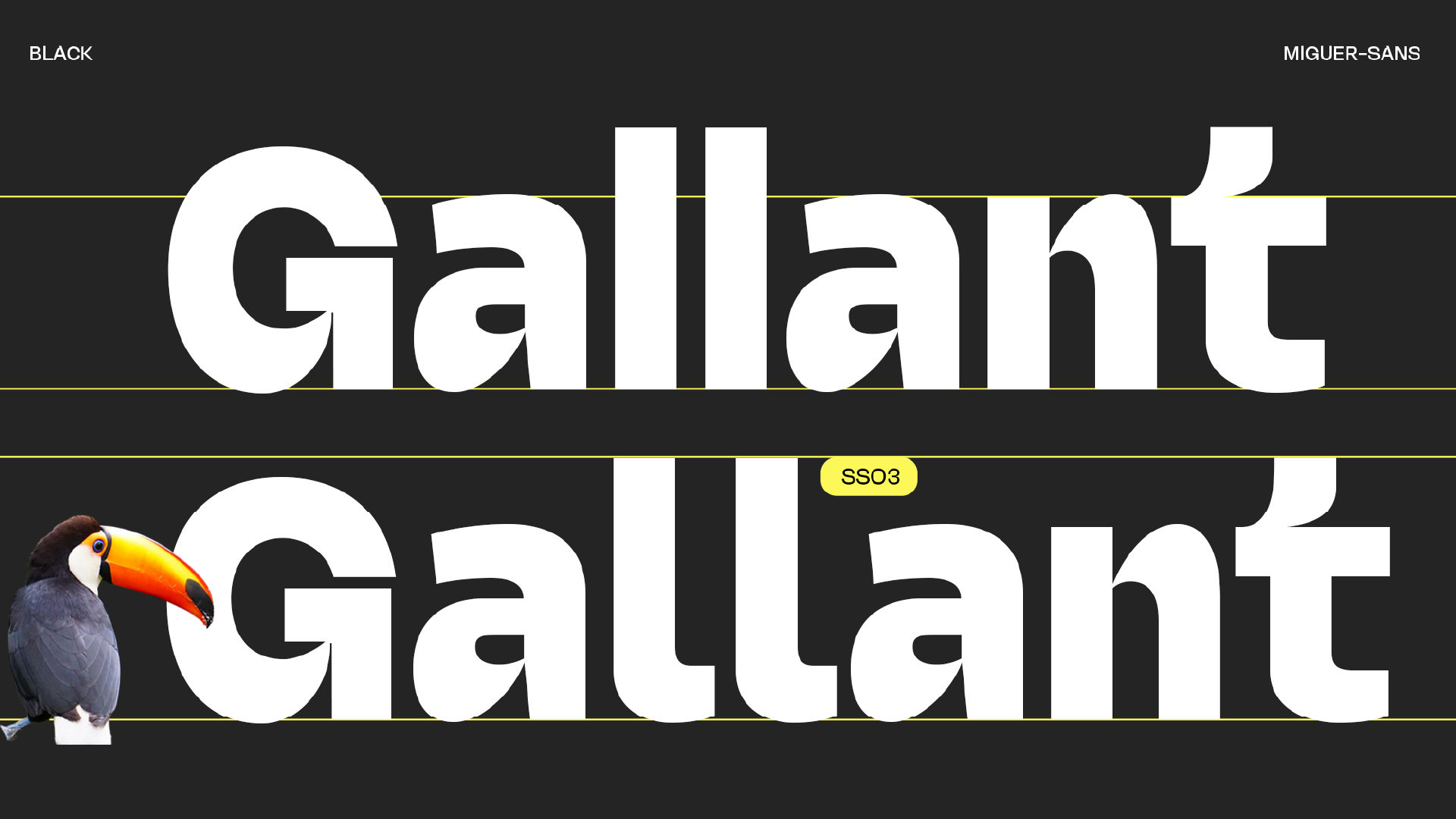
Each style in a family must align vertically and horizontally.
- Cap height, x-height, and baseline should stay consistent.
- Adjust sidebearings slightly for heavier or slanted styles.
- Kerning pairs may need to be revised per style.
6. Testing in Context
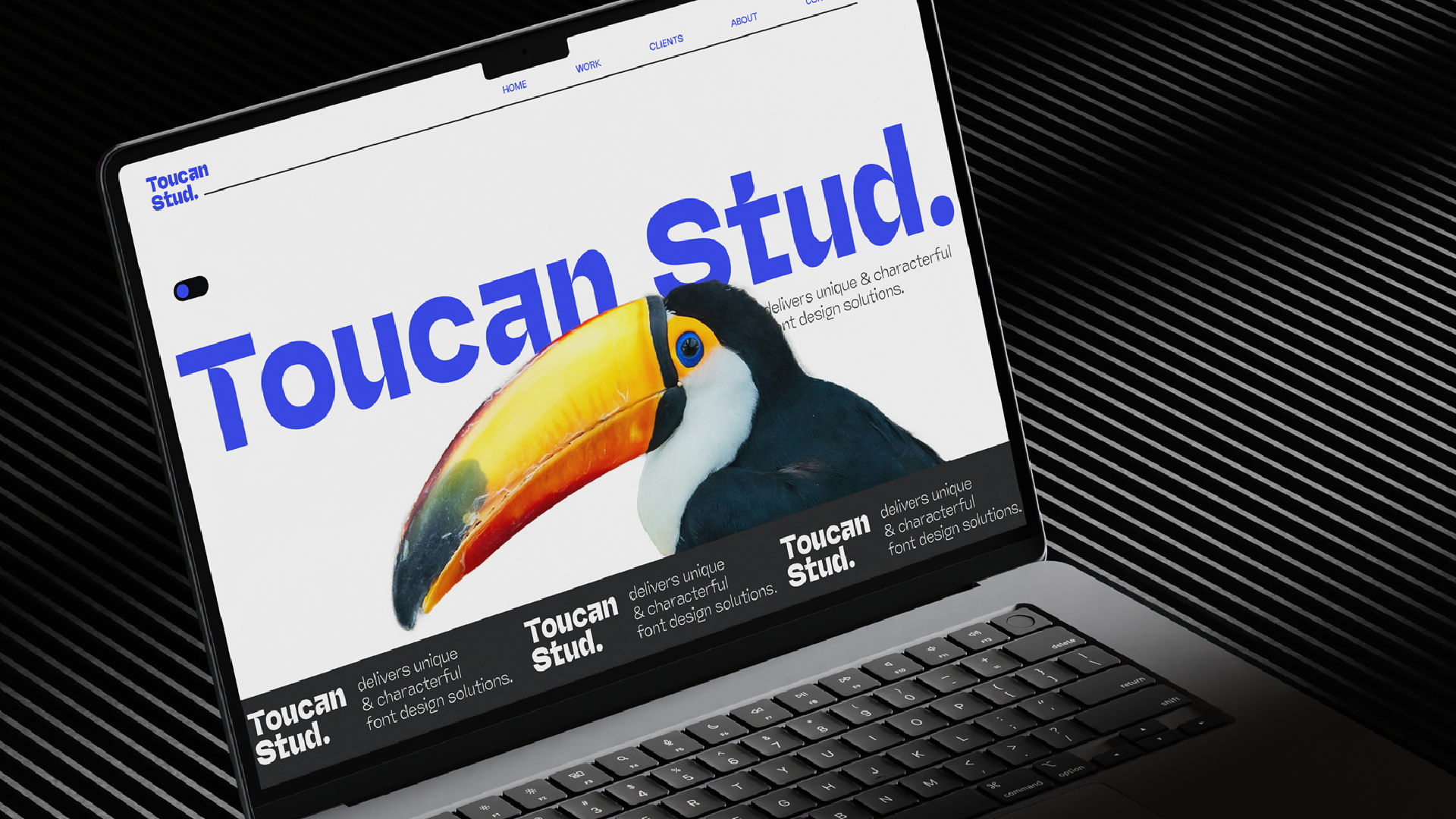
Try your font family in various contexts:
- Web and UI: test responsiveness and legibility.
- Print design: headlines vs. body copy.
- Multilingual text: consistency in diacritics and non-Latin scripts.
Always test at different sizes and in realistic layouts like UI mockups, posters, or paragraphs.
7. Exporting and Naming Convention
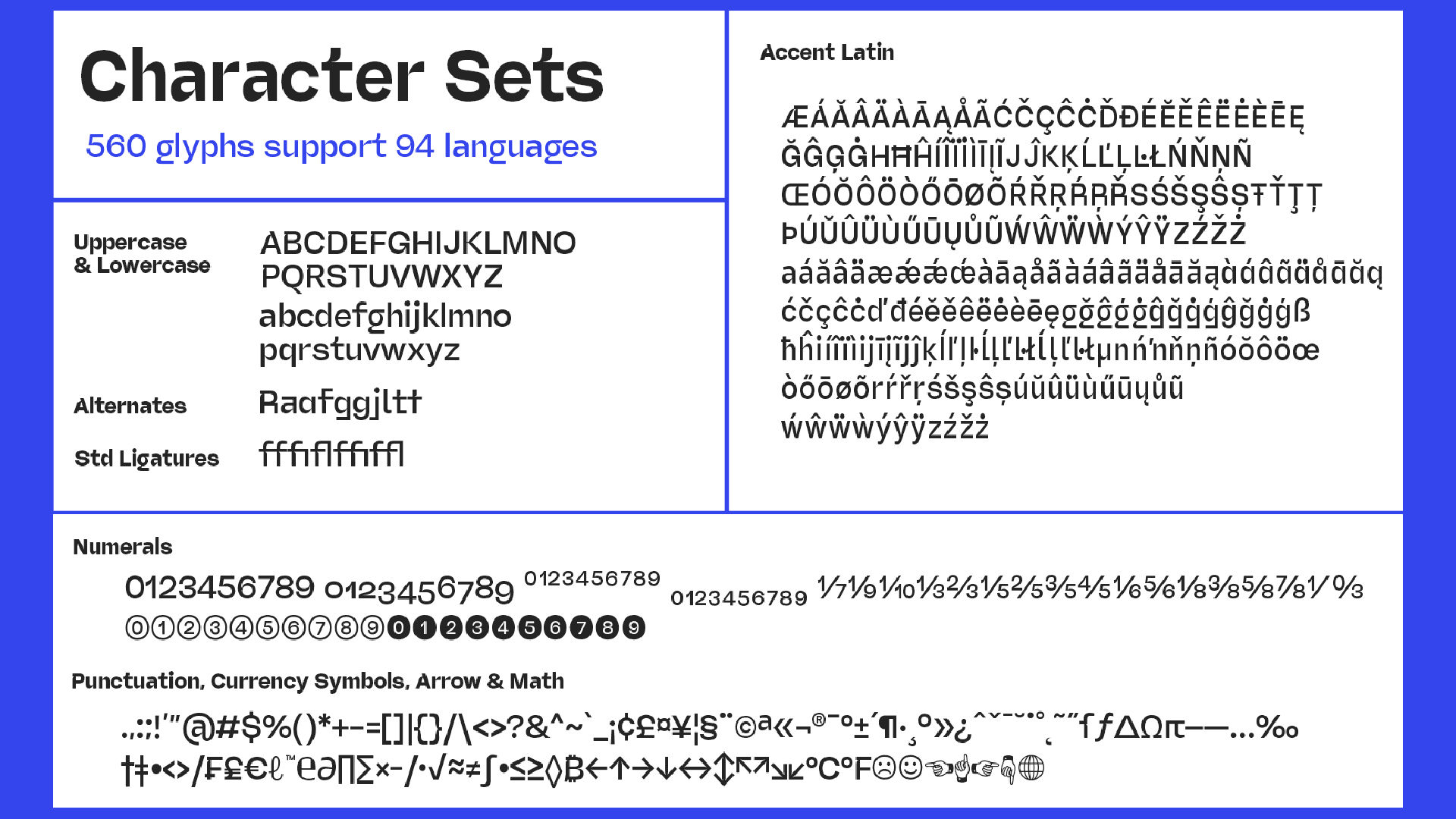
Use consistent and clear naming:
E.g., FontName-Regular, FontName-BoldItalic, etc.
Also prepare formats like OTF, TTF, WOFF, and variable fonts if supported.
Conclusion: A Font Family is a System, Not Just Styles
Creating a font family isn’t just about multiplying weights—it’s about building a visual ecosystem. Each style should serve a purpose, maintain the brand voice, and feel like it belongs.
Whether you’re creating a 3-weight set or a 20-style superfamily, clarity, consistency, and craft matter most.