
The Power of Type: How Fonts Define Visual Identity
The Power of Type: How Fonts Define Visual Identity
In the digital age, where brands fight for attention within milliseconds, visual identity has become more important than ever. While color schemes and logos often steal the spotlight, there’s one unsung hero that quietly shapes perception: the font.
Fonts Are More Than Letters
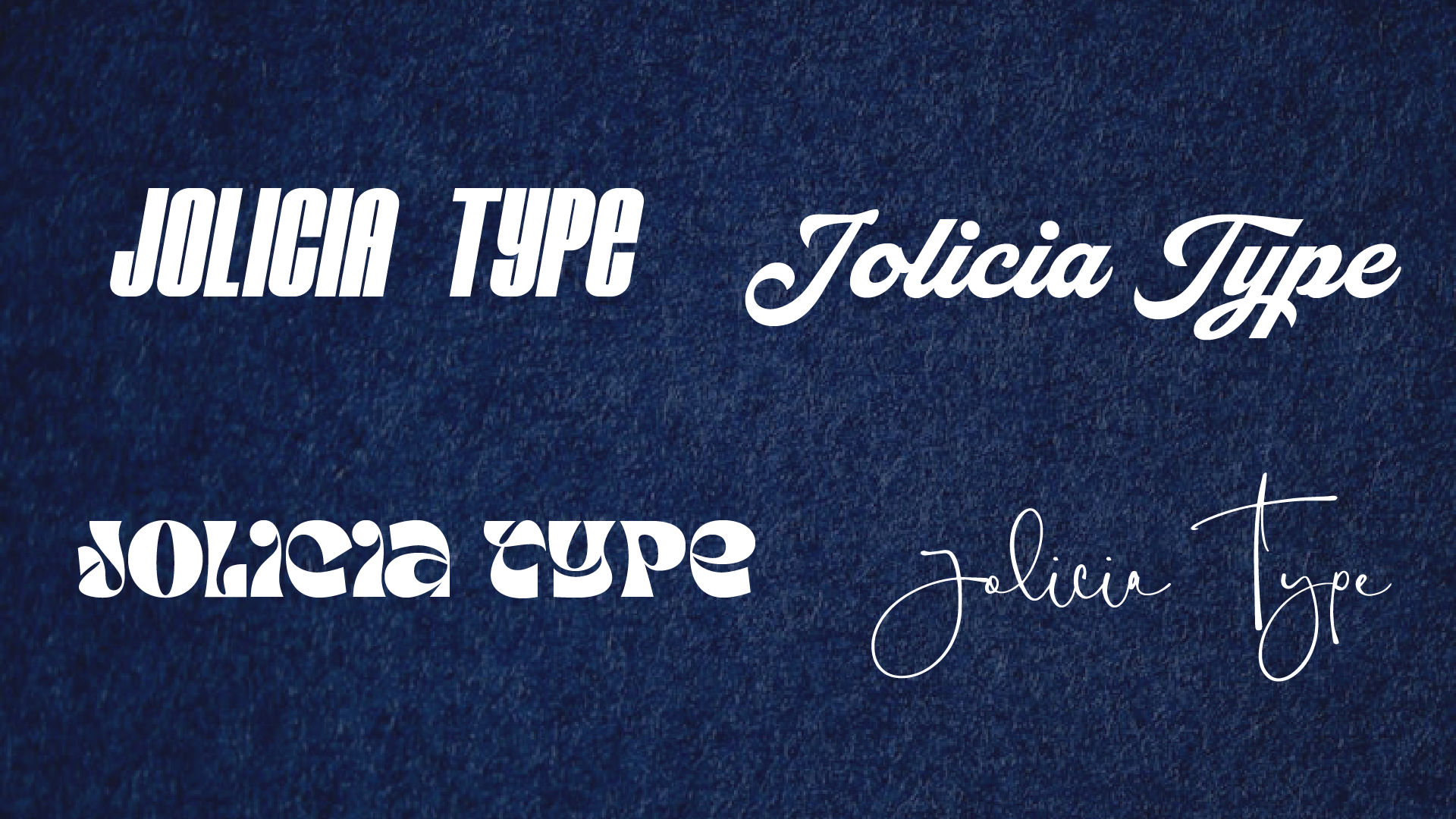
Fonts are not just tools for readability — they communicate personality, values, and tone. Think about the last time you saw a luxury brand. Chances are, it used a sleek, elegant serif font. Now compare that to a children’s toy brand, often using playful, rounded letters. Fonts set the emotional tone before a single word is read.
Why Fonts Matter in Branding
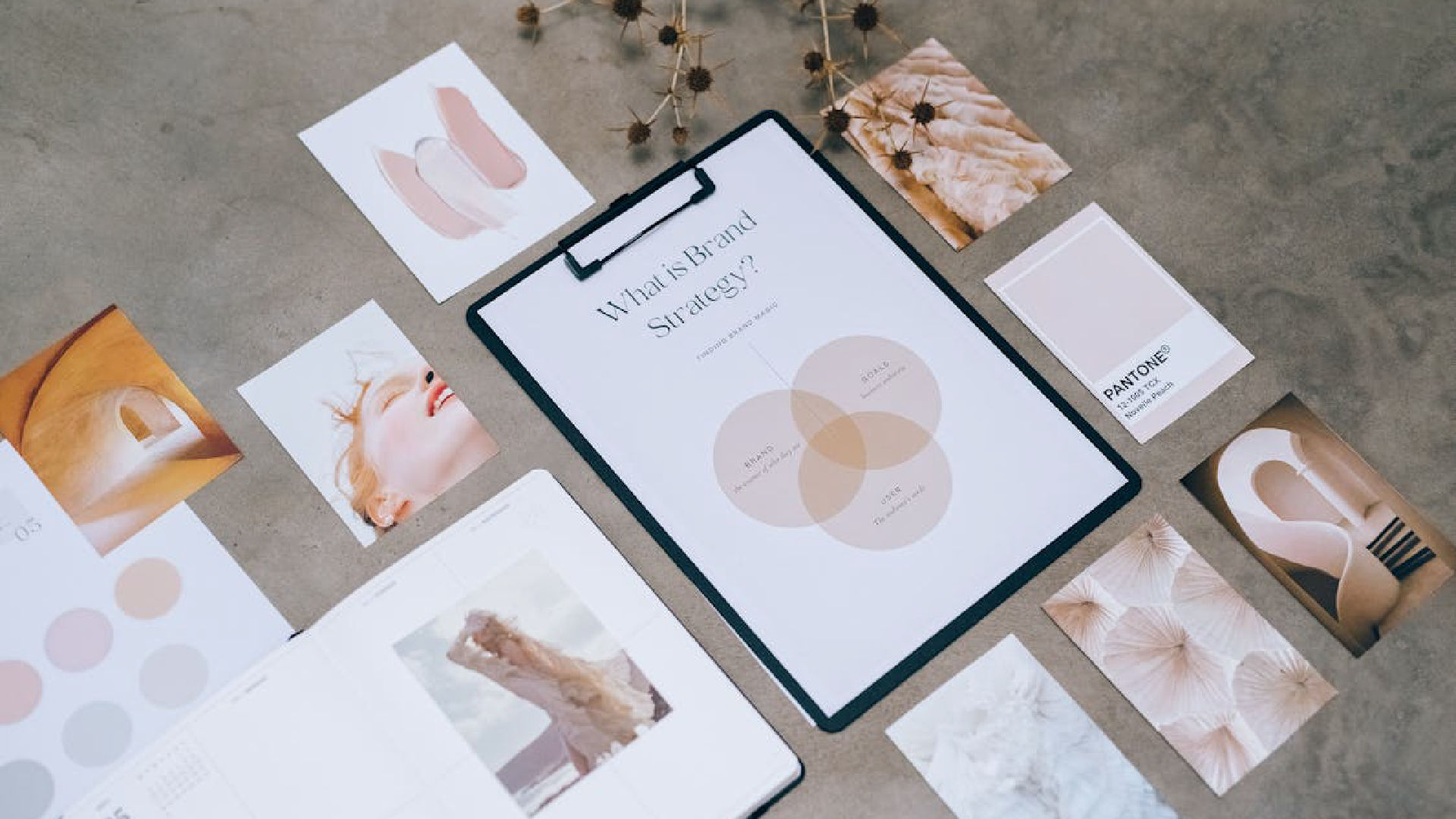
Your choice of font can make or break your brand image. A well-selected font creates instant recognition and builds trust. For example:
- Tech companies often favor clean, modern sans-serifs to convey innovation and simplicity.
- Fashion brands use high-contrast serifs to suggest sophistication and style.
- Startups may opt for geometric typefaces to reflect a forward-thinking mindset.
Fonts help create a consistent visual language across websites, packaging, advertising, and social media — giving your audience a unified experience.
Typography as a Storytelling Tool
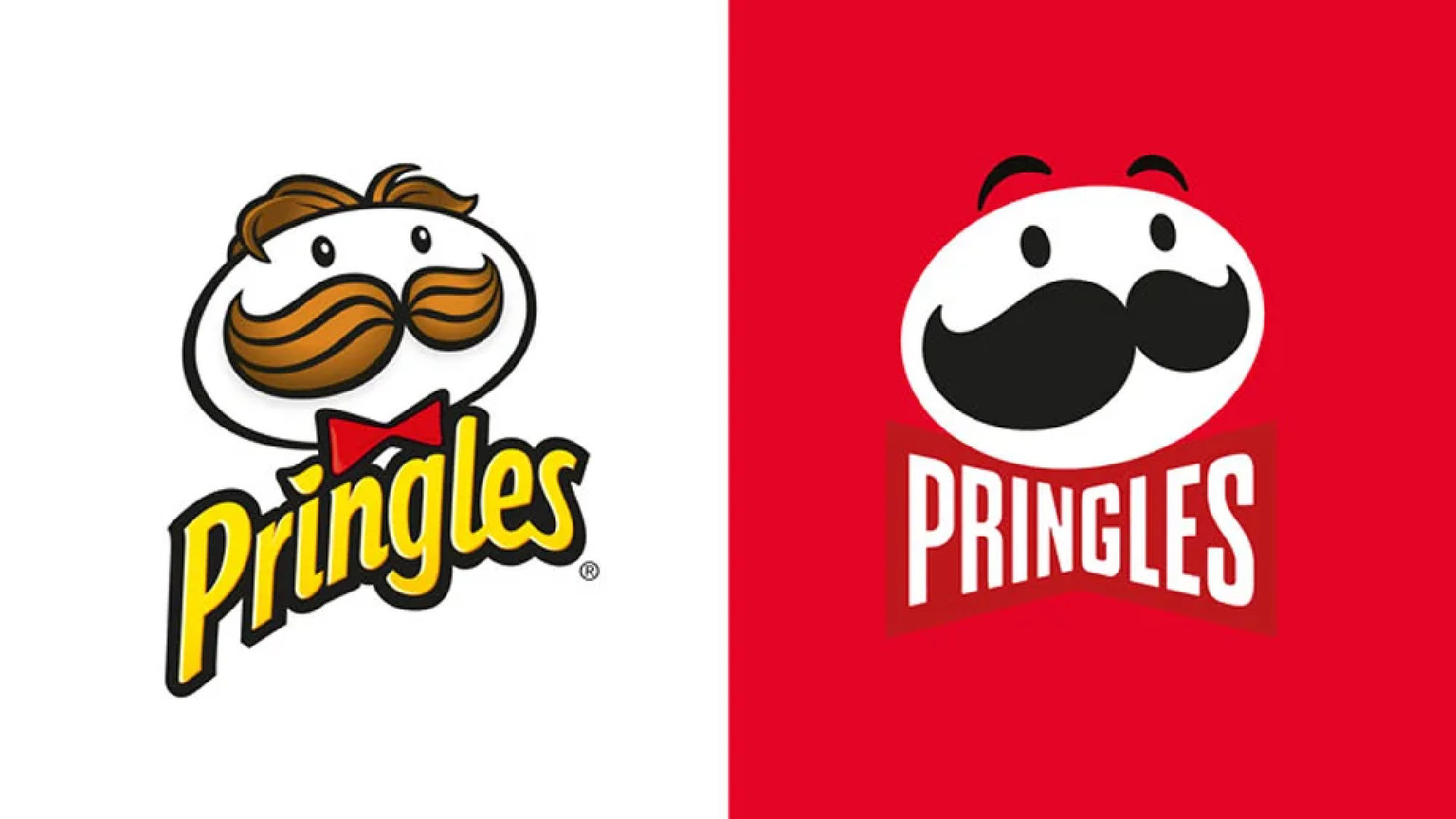
Every font tells a story. The curves, spacing, and weight of each letter carry subtle messages. For instance:
- A bold, heavy font can convey strength and confidence.
- A handwritten script font might feel personal, human, and creative.
- A minimalist typeface exudes clarity and professionalism.
When used correctly, typography doesn’t just support your message — it becomes the message.
Creating a Strong Visual Identity with Fonts
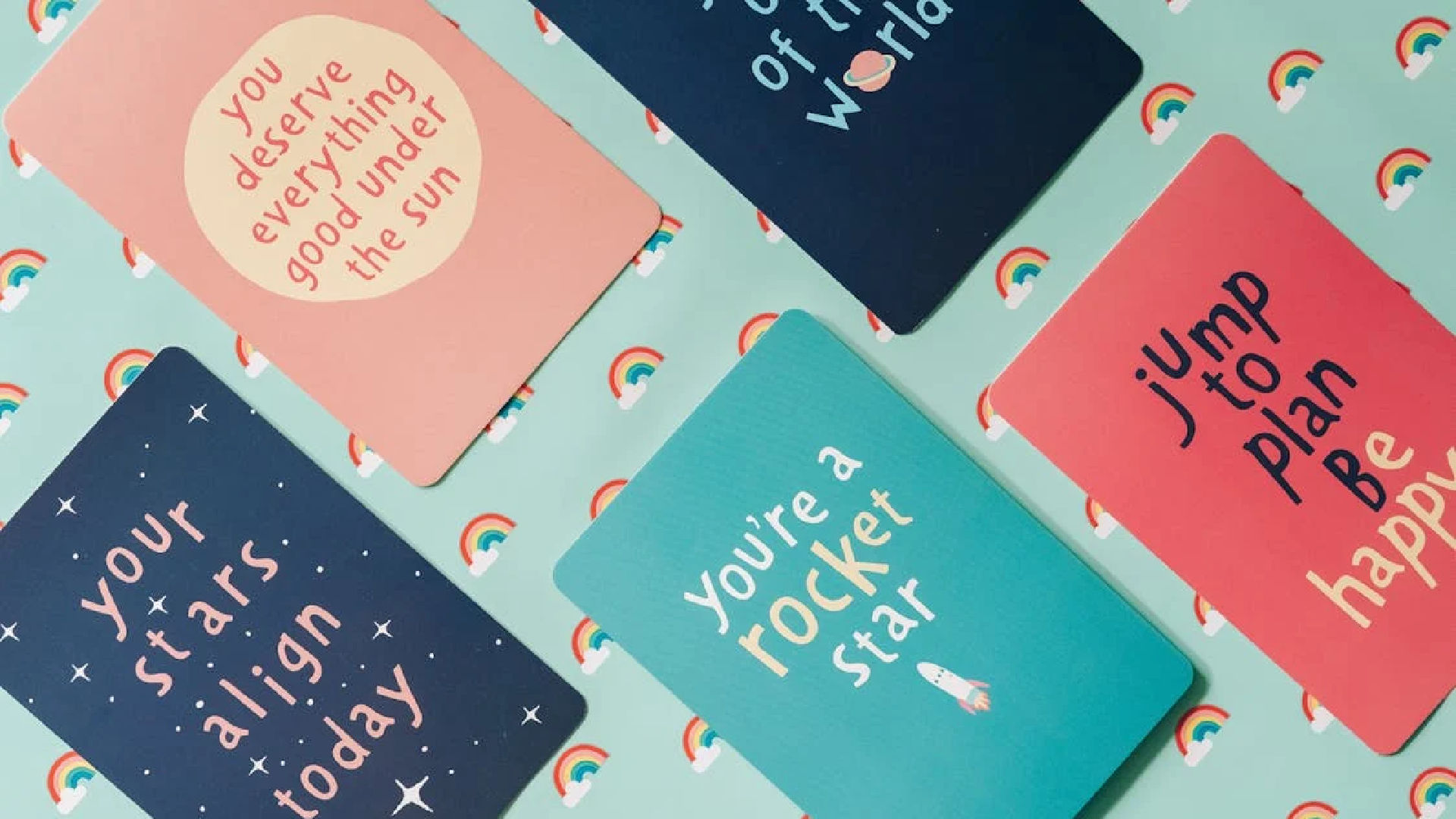
To build a memorable visual identity, consider the following tips:
- Understand Your Brand Voice
Is your brand formal or casual? Youthful or mature? Choose a font that aligns with this tone. - Prioritize Legibility
No matter how stylish a font is, it must be readable across devices and platforms. - Limit Font Pairings
Stick to two or three typefaces to avoid visual clutter. Consistency is key. - Use Custom Typefaces for Uniqueness
Many leading brands invest in custom fonts to stand out and own their identity.
Final Thoughts
A font is not just a design choice — it’s a strategic decision that shapes how your audience sees and remembers you. In a world filled with endless visual noise, the right typeface can be your brand’s most powerful voice.
So the next time you work on your visual identity, don’t just ask, “What font looks good?”
Ask: “What font feels right?”