
Designing Powerful Posters: Principles and Inspiring Examples You Need to Know
Designing Powerful Posters: Principles and Inspiring Examples You Need to Know
Posters remain one of the most timeless and impactful tools in visual communication. From advertising campaigns to event promotions, a well-designed poster has the power to attract attention, deliver a message instantly, and inspire action. But what makes a poster powerful? The answer lies in applying design principles strategically while blending creativity with clarity.
In this article, we’ll explore the core principles of effective poster design and share real-world examples to inspire your next project.
1. Clarity Above All
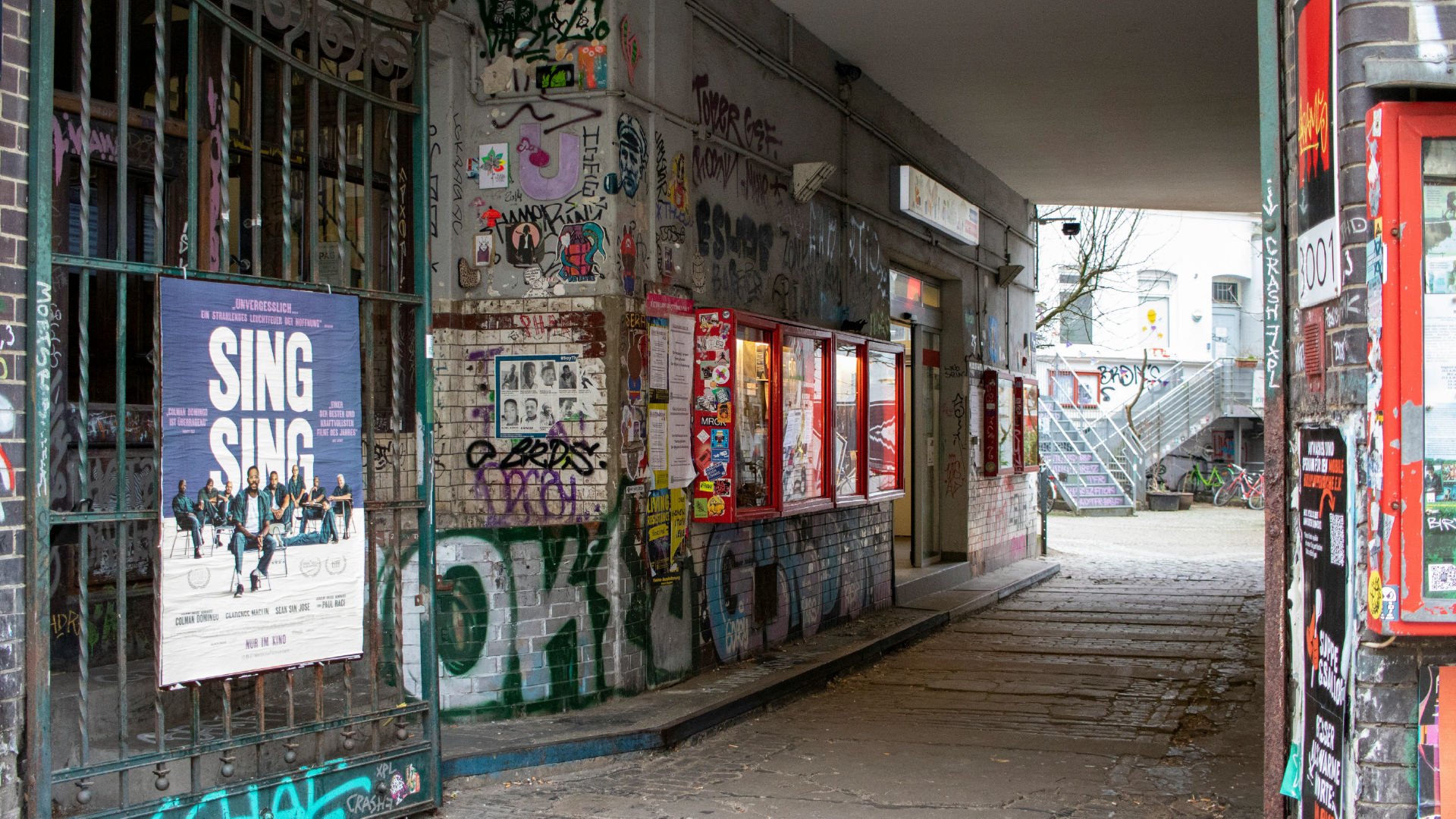
The first rule of poster design is clarity. Viewers should be able to understand your message within seconds. Keep your headline short and impactful, and ensure supporting details are easy to read even from a distance.
Example: Movie posters often rely on bold titles paired with striking imagery to communicate the genre and tone instantly.
2. Hierarchy of Information

A powerful poster guides the viewer’s eye. Use visual hierarchy by adjusting font size, weight, and color to highlight the most important elements. Headlines, subheadings, and call-to-actions should be instantly distinguishable.
Tip: Place the most critical information at the top or center of your design.
3. The Role of Typography
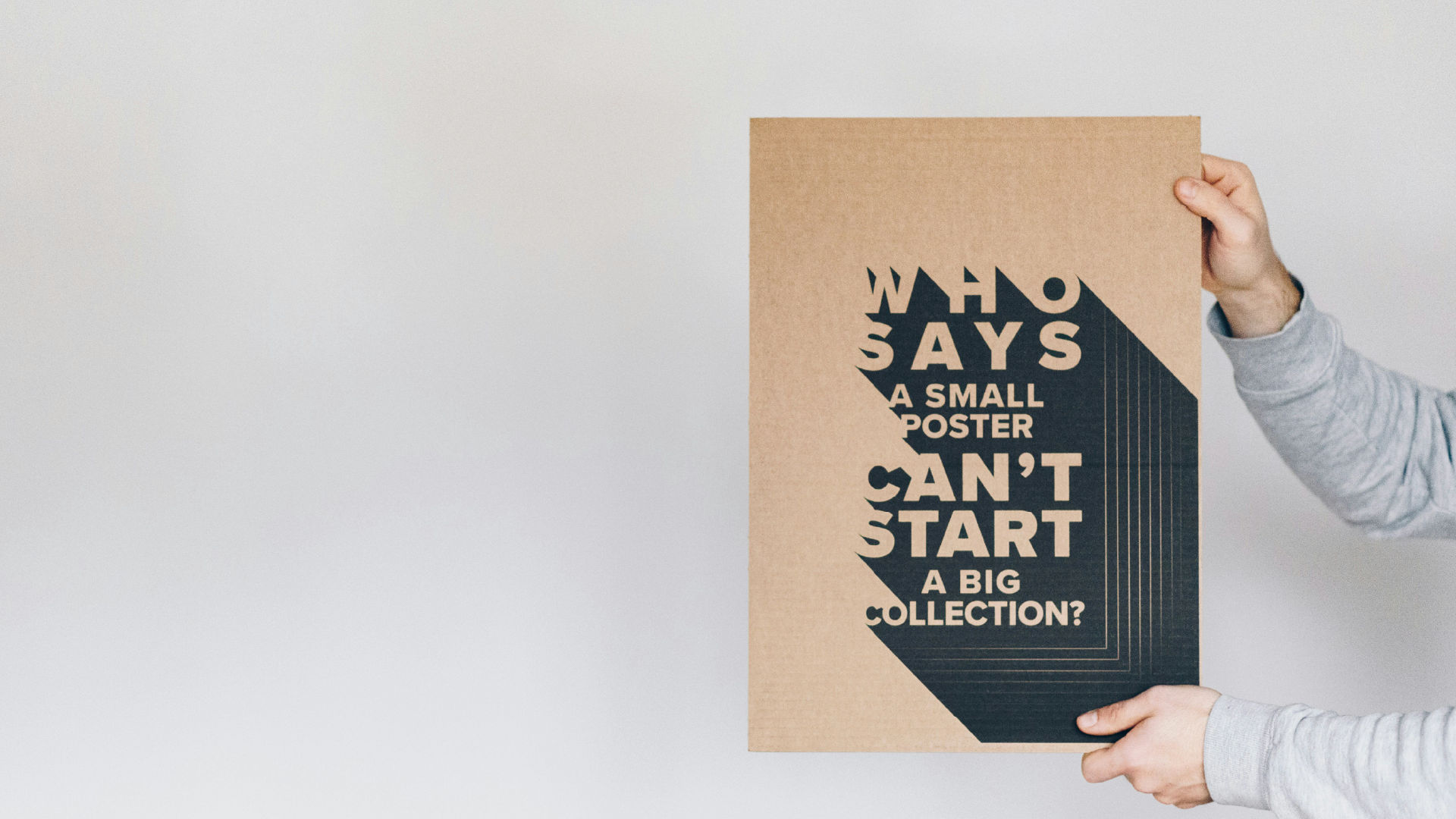
Typography isn’t just about text—it’s a design element. Choosing the right font style sets the mood of the poster. Bold sans-serifs can evoke strength and urgency, while elegant serifs or scripts can create sophistication.
Example: Music festival posters often mix playful, bold fonts with vibrant layouts to reflect energy and creativity.
4. Strategic Use of Color

Color psychology plays a huge role in poster effectiveness. Bright and contrasting colors attract attention, while muted tones can convey elegance or seriousness. Always ensure high readability by keeping sufficient contrast between text and background.
Tip: Stick to 2–3 primary colors to maintain visual harmony.
5. Balance and Composition

Great posters feel organized and balanced, even if they’re playful or abstract. Use grids, alignment, and spacing to create harmony while maintaining creativity.
Example: Minimalist posters often rely on negative space to emphasize the main message without overwhelming the viewer.
6. Imagery that Resonates

A single strong image can often say more than words. Whether you choose photography, illustration, or abstract graphics, ensure that your visuals connect directly with the message.
Tip: Avoid generic stock images—unique visuals create a stronger emotional impact.
7. Inspiring Examples
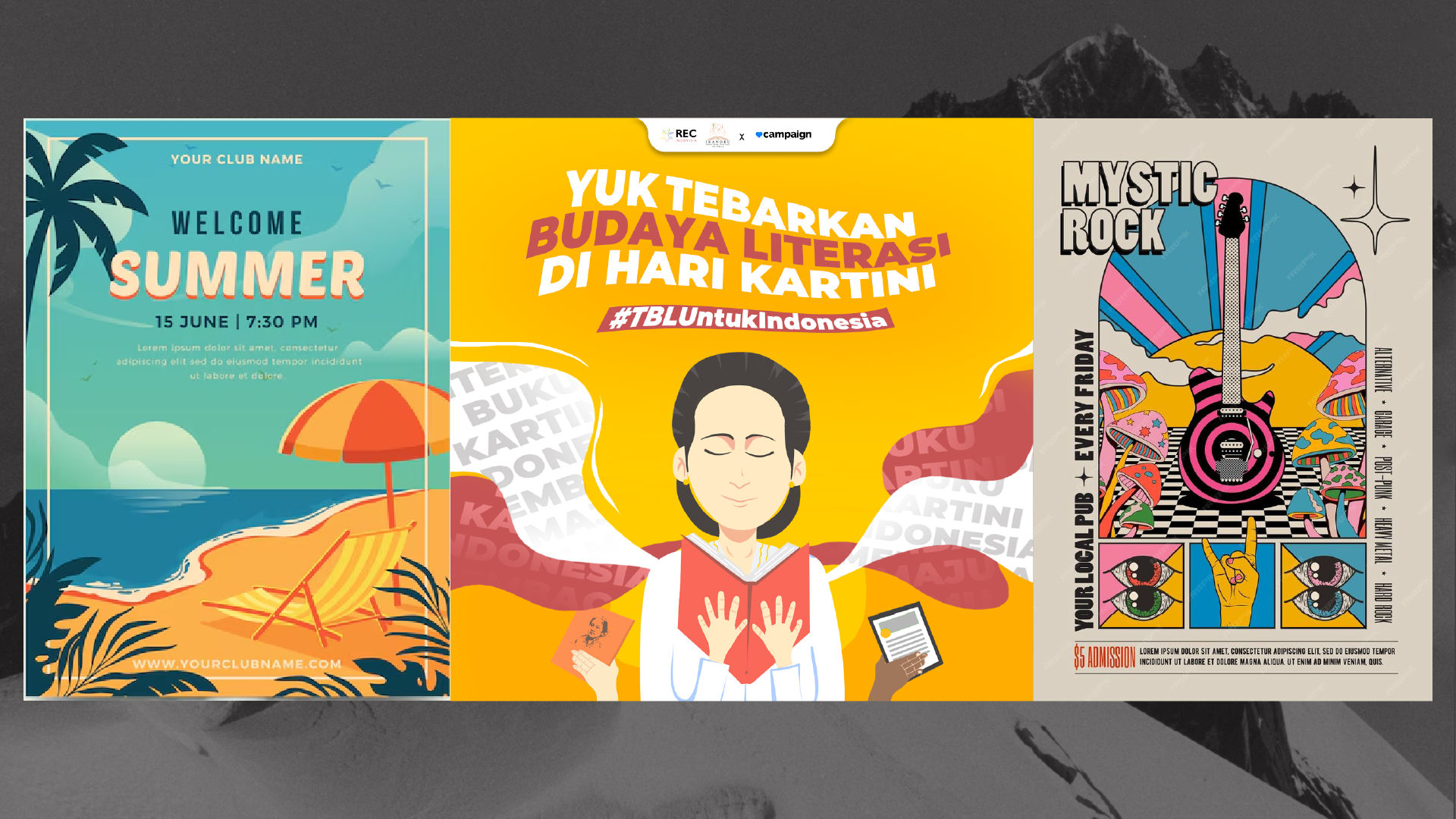
- Vintage Travel Posters: Known for bold typography, simple layouts, and striking illustrations.
- Modern Event Posters: Often use dynamic colors, geometric shapes, and layered textures to reflect contemporary aesthetics.
- Campaign Posters: Rely on powerful headlines and bold contrasts to drive awareness and action.
Conclusion
A powerful poster blends clarity, strong typography, balanced composition, and emotional imagery into a single visual experience. Whether you’re creating a campaign, event, or branding material, the key is to communicate your message with impact and inspire action.
Take inspiration from classic and modern examples, but always design with your audience in mind. With the right principles, your poster won’t just be seen—it will be remembered.